
Digital Audio Workstation article
The Complete Guide to Digital Audio Workstation
A digital audio workstation is essential software for modern music production. Explore popular options, features, and how to select the ideal DAW for your creative needs.
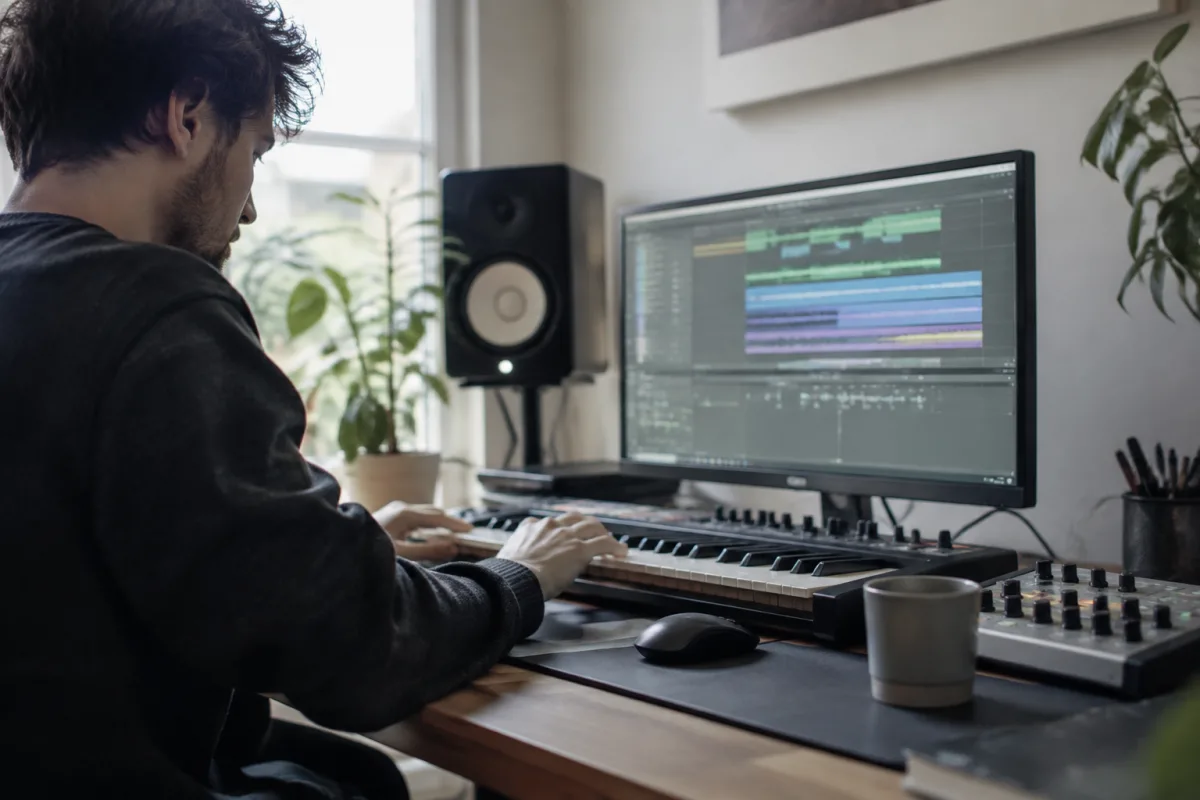
A digital audio workstation (DAW) forms the backbone of modern music production, recording, and composition. Whether you're a bedroom producer, a recording engineer, or a touring musician, choosing the right digital audio workstation determines your creative workflow and sonic results. Understanding what separates digital audio workstation options helps you select the ideal software for your production goals and musical style.
What Is a Digital Audio Workstation?
A digital audio workstation is software that enables recording, editing, mixing, and producing music on a computer. A digital audio workstation combines multitrack recording, MIDI sequencing, virtual instruments, effects processing, and mixing capabilities in a single integrated environment. Unlike hardware studios of past decades, a digital audio workstation lets you create professional-quality music using only a computer, audio interface, and headphones or monitors.
The capabilities of a digital audio workstation have expanded dramatically over recent years. Modern digital audio workstation software runs on Windows, Mac, or Linux, serving everyone from bedroom hobbyists to Grammy-winning professionals. The ubiquity of digital audio workstation technology has democratised music production, making professional-quality recording and creation accessible to anyone with a computer and determination.
Core Features Every Digital Audio Workstation Provides
Essential digital audio workstation functionality includes:
- Multitrack recording: Record unlimited audio tracks simultaneously, capturing vocals, instruments, and ambient recordings in a digital audio workstation session.
- MIDI sequencing: Compose and arrange music using MIDI, triggering virtual instruments in your digital audio workstation with keyboard controllers or computer input.
- Audio editing: Cut, copy, stretch, time-shift, and pitch-correct audio recordings within your digital audio workstation.
- Virtual instruments and samples: Access synthesizers, drum machines, pianos, and orchestral libraries directly within your digital audio workstation.
- Effects and processors: Apply reverb, compression, EQ, saturation, and creative effects in your digital audio workstation mix.
- Mixing and automation: Balance levels, pan instruments, automate parameters, and create dynamic mixes within your digital audio workstation.
- Mastering tools: Prepare final mixes for release using limiting, metering, and analysis tools in your digital audio workstation.
Popular Digital Audio Workstation Options
Numerous digital audio workstation choices exist, each with distinct workflows and strengths:
| Digital Audio Workstation | Price | Platform | Best For |
|---|---|---|---|
| Ableton Live | Subscription or perpetual | Windows/Mac | Electronic music, live performance, beat-making |
| Logic Pro | One-time purchase (~£200) | Mac only | Mac users, singer-songwriters, pop production |
| Pro Tools | Subscription or perpetual | Windows/Mac | Professional studios, film scoring, post-production |
| Studio One | Subscription or perpetual | Windows/Mac | Audio professionals, mixing-focused workflows |
| Reaper | One-time licence (£60) | Windows/Mac/Linux | Flexibility-focused producers, budget-conscious users |
| Cubase | Subscription or perpetual | Windows/Mac | MIDI composition, orchestral work, mixing |
| GarageBand | Free (Mac/iOS) | Mac/iOS | Beginners, casual composers, quick sketches |
Digital Audio Workstation Workflow Considerations
Every digital audio workstation emphasises different workflow approaches. A digital audio workstation optimised for electronic music production may feel cumbersome for singer-songwriter recording. A film-scoring digital audio workstation prioritises scoring tools and orchestra template management. Choose a digital audio workstation whose interface and approach suit your creative process rather than fighting against it.
Your digital audio workstation choice influences long-term compatibility. If your favourite plugin or instrument runs only on specific digital audio workstation platforms, this constrains your options. Before committing to a digital audio workstation, verify plugin compatibility and availability of third-party extensions supporting your creative vision.
Hardware Requirements for Digital Audio Workstation Use
Running a digital audio workstation smoothly requires adequate computer specifications. Minimum digital audio workstation hardware needs include a processor with multiple cores, sufficient RAM (16GB recommended), and fast storage (SSD strongly recommended). Your digital audio workstation system must handle real-time audio input/output with minimal latency—generally under 10ms for comfortable monitoring during recording.
Budget digital audio workstation setups run on modest computers; professional digital audio workstation installations often use high-end workstations with maximum processors, RAM, and storage. Choose digital audio workstation-compatible hardware matching your expected track count, virtual instrument complexity, and simultaneous plugin usage.
Learning a Digital Audio Workstation
The learning curve for a digital audio workstation varies. Some digital audio workstation software features intuitive interfaces allowing quick productivity; others require substantial time investment to master fully. Budget several weeks becoming comfortable with your chosen digital audio workstation; months developing true proficiency.
Most digital audio workstation publishers provide comprehensive tutorials and documentation. Community forums and YouTube channels offer countless digital audio workstation learning resources. Choose a digital audio workstation with strong community support if self-directed learning matters to you.
Digital Audio Workstation Plugins and Extensions
Your digital audio workstation's value extends through plugins and virtual instruments. Third-party developers create effects, synthesizers, and processing tools that expand digital audio workstation capabilities dramatically. Popular digital audio workstation platforms support thousands of plugins, whilst niche digital audio workstation software offers fewer third-party options.
Verify digital audio workstation plugin compatibility before committing to a specific platform. If essential tools run only on certain digital audio workstation software, this decision significantly influences your choice.
Cloud and Collaboration in Digital Audio Workstation Work
Modern digital audio workstation software increasingly incorporates cloud collaboration features. Remote musicians can contribute recordings to shared digital audio workstation projects. Some digital audio workstation platforms offer cloud stems storage and collaborative mixing environments, transforming how distributed teams work together on music.
Conclusion
Selecting the right digital audio workstation ranks among the most important decisions a music producer makes. Your digital audio workstation determines your workflow, creative possibilities, and long-term investment in learning and plugin purchases. Whether you choose industry-standard professional digital audio workstation software or budget-friendly alternatives, ensure your digital audio workstation supports your creative vision and works with hardware and plugins matching your needs. The best digital audio workstation remains the one you actually use regularly, so choose based on workflow feel and community support alongside feature comparison.


Comments