


Strymon Timeline Delay Pedal Buying guide
Strymon Timeline Delay Pedal: A Complete Buyer's Guide
The Strymon TimeLine is the gold-standard delay pedal, but it's a serious investment. This buying guide helps you understand what it offers and whether it's right for you.
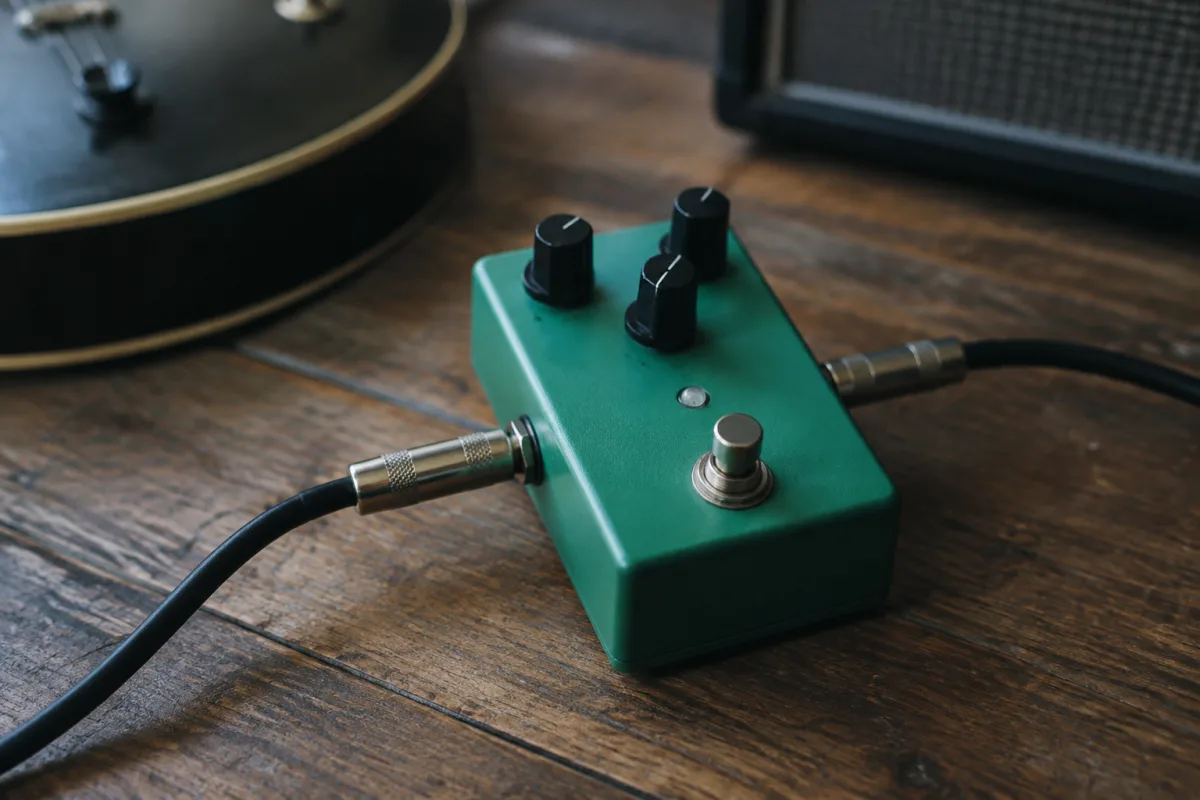
The Strymon TimeLine delay pedal is widely considered one of the finest delay effects ever made. If you’re shopping for a professional-grade delay and you’ve heard the TimeLine name mentioned reverently by musicians, you might wonder whether it’s genuinely worth the substantial investment. This buying guide will help you understand what the TimeLine offers, who benefits most from owning one and how to decide whether it’s right for your needs.
Understanding the Strymon TimeLine
The Strymon TimeLine is a dedicated delay effect pedal featuring hundreds of delay algorithms, from vintage tape echoes to experimental digital effects. It’s the flagship delay tool in Strymon’s lineup, and it’s built with obsessive attention to sound quality and user experience. Every delay algorithm is authentic and useful — there’s no filler, no gimmicks. If you turn it on, you’re getting a professional-grade delay effect that sounds lush, warm and utterly inspiring.
The TimeLine is designed for players who take delay seriously. This might be a session musician recording albums, a touring player whose delay is central to their sound, or a tone enthusiast who values depth and flexibility. The TimeLine isn’t a “nice to have” effect — it’s a foundational tool in your signal chain.
Key Specifications and Features
When considering a Strymon TimeLine, several features merit attention:
- Delay algorithms: The TimeLine includes hundreds of algorithms covering everything from tape echo emulation to experimental digital delays. You won’t exhaust the possibilities within years of regular use.
- Expression pedal input: Connect an external expression pedal to modulate delay parameters in real time — essential for live performance.
- MIDI connectivity: Control the TimeLine remotely from a foot controller or sequencer, enabling seamless integration with complex rigs.
- Stereo I/O: True stereo processing means your delay effects can spread across a stereo mix with proper imaging and depth.
- Tap tempo: Sync the delay to your playing tempo by tapping the built-in footswitch, ensuring rhythmic accuracy without relying on external clocks.
- Dual footswitches: Control multiple functions simultaneously — switch between presets, enable/disable the effect and toggle features without reaching.
These aren’t marketing buzzwords. Each feature serves a genuine creative or practical purpose in a gigging or recording context.
Sound Quality and Tone
The TimeLine’s delay effects are renowned for their musicality. Tape echo emulations capture the subtle warmth and compression of vintage hardware. Digital delays sound crystalline and clear. Ambient delays blur into dreamy, atmospheric textures. Every algorithm respects your original signal — the delay enhances rather than muddies your tone.
Additionally, the TimeLine’s feedback circuit allows delays to cascade naturally, creating organic, musical repeats rather than harsh, artificial echoes. This subtlety of sound is one reason professionals specify the TimeLine on recording sessions and touring rigs.
Price and Value Assessment
A new Strymon TimeLine delay pedal costs approximately £450–550, depending on current pricing and retailer. This is substantial, but contextually important: professional delay units (rack-mounted or studio-grade) often cost two to three times more. The TimeLine brings professional-grade delay to a compact pedalboard format at a reasonable price for the capabilities offered.
Secondhand TimeLine pedals often sell for £300–400, representing solid value if you’re budget-conscious. They hold their value remarkably well because working musicians are actively seeking them and the market understands their worth.
| Budget Tier | Typical Alternatives | Advantages vs. TimeLine | Disadvantages vs. TimeLine |
|---|---|---|---|
| £100–200 | Boss DD-200, TC Electronic Plethora | More affordable; multi-effects capability | Fewer delay algorithms; less refined sound |
| £250–350 | Eventide TimeFactor | Equally sophisticated; similar algorithms | Older design; limited user interface |
| £450–550 | Strymon TimeLine | Gold standard; unmatched sound quality | Highest cost; delay-only (not multi-effects) |
The TimeLine isn’t the cheapest option available, but it’s positioned as the gold standard for delay. Value depends on your priorities: if delay is central to your tone and you gig or record regularly, the TimeLine is worth every pound. If delay is occasional seasoning to your tone, a cheaper option might suit you equally well.
Who Should Buy a Strymon TimeLine?
The TimeLine is ideal for:
- Professional touring musicians whose rig demands reliability and iconic tone
- Studio recording artists prioritising pristine, nuanced delay effects
- Tone enthusiasts and gear nerds who find joy in deep exploration of effect parameters
- Players whose musical style relies heavily on delay as a creative and textural element
The TimeLine is less essential for casual hobbyists or bedroom musicians for whom delay is occasional enhancement. A more affordable delay pedal handles that use case perfectly.
What to Check Before Buying
If you’re considering a Strymon TimeLine, verify these details:
- Firmware version: Strymon regularly updates TimeLine firmware via USB. Ensure the pedal you’re buying can be updated to the latest version if buying secondhand.
- Physical condition: Inspect the footswitches, knobs and casing for damage. Used pedals that have gigged heavily might show wear that affects functionality.
- Audio quality: If possible, listen to audio samples or request a video demo. Verify that the pedal sounds as advertised and there are no audio artifacts or noise issues.
- Warranty and return policy: When buying new, confirm the warranty period. When buying used, understand the seller’s return policy in case the pedal fails immediately.
- Authenticity: Counterfeit Strymon pedals are rare but exist. Buy from authorised dealers or established secondhand retailers to avoid this risk.
Take time making this purchase. The TimeLine isn’t an impulse buy. Research thoroughly, listen to demos and confirm it genuinely fits your creative needs before committing.
Common Pitfalls to Avoid
Buyers of the Strymon TimeLine often make predictable mistakes. Don’t assume that the most expensive delay is right for your setup. If your gigging situation doesn’t demand professional-grade reliability or your tone doesn’t benefit from delay experimentation, an affordable option might serve you better. Don’t buy a TimeLine expecting it to magically improve weak playing or poor tone — it enhances good tone, it doesn’t create it from nothing.
Avoid buying without hearing it first. TimeLine delay effects are subtle and musical, but they might not appeal to your ear. Some players prefer the character of simpler, cheaper delays. Let your ears decide, not brand prestige. And don’t neglect the learning curve. The TimeLine is so deep that it rewards patient exploration. Expect several weeks of genuine engagement before you’ve barely scratched the surface of what it can do.
Alternatives Worth Considering
Before committing to a TimeLine, consider alternatives. The Eventide TimeFactor is similarly sophisticated and costs less used. The Boss DD-200 offers multi-effect capability with respectable delay algorithms. The Analog Industries Stardust is boutique-made with exceptional sound. Your choice depends on budget, desired capabilities and sonic aesthetic. The TimeLine remains the reference standard, but it’s not the only choice.
Final Thoughts on the TimeLine
A Strymon TimeLine delay pedal is an instrument in itself. It doesn’t just add delay to your signal — it opens creative possibilities and transforms how you approach tone and texture. If your musical practice values exploration and you gig or record regularly, it’s a purchase that pays dividends for years. For deeper exploration of Strymon’s delay offerings and how to maximise the TimeLine’s potential, explore the complete guide to Strymon TimeLine delay pedals, which covers advanced techniques and the full range of algorithms available.
Choose thoughtfully, invest in what genuinely serves your music, and the TimeLine will reward you with years of inspiration and reliable tone.
FAQ
Is the Strymon TimeLine worth the money for hobbyist players?
Not necessarily. If delay is occasional enhancement to your tone and you play mostly at home, an affordable delay pedal (£100–200) serves equally well. The TimeLine shines for professionals and serious enthusiasts.
How does the TimeLine compare to the TC Electronic M300?
The M300 is a multi-effects unit covering reverb, modulation and delay with respectable quality. The TimeLine is delay-only but with vastly more algorithms and superior sound. Choose based on whether you want delay-focused depth or multi-effect versatility.
Can the TimeLine work in a small apartment without taking up much space?
Yes. The TimeLine is compact enough to fit any pedalboard, even a small one. It runs on standard 9V power and integrates seamlessly with modest rigs.
Will the TimeLine work with bass guitar?
Absolutely. Delay effects translate beautifully to bass, and the TimeLine’s algorithms respond musically to lower frequencies. Many bass players use the TimeLine on their pedalboards.
How often does Strymon release firmware updates for the TimeLine?
Strymon releases updates periodically, sometimes adding new algorithms or refining existing ones. Updates are free and delivered via USB. The TimeLine benefits from ongoing development.
Should I buy the TimeLine new or used?
If budget allows, new ensures full warranty and latest firmware. Used models offer significant savings if the seller is reputable. Used TimeLine pedals are notoriously reliable, so secondhand is often a smart choice.


Comments