


Bass Guitar Compressor Pedal Buying guide
Bass Guitar Compressor Pedal: A Complete Buyer's Guide
Purchasing a bass guitar compressor pedal requires understanding compression dynamics, ratio settings, and bass-specific design considerations that distinguish excellent pedals from mediocre ones.
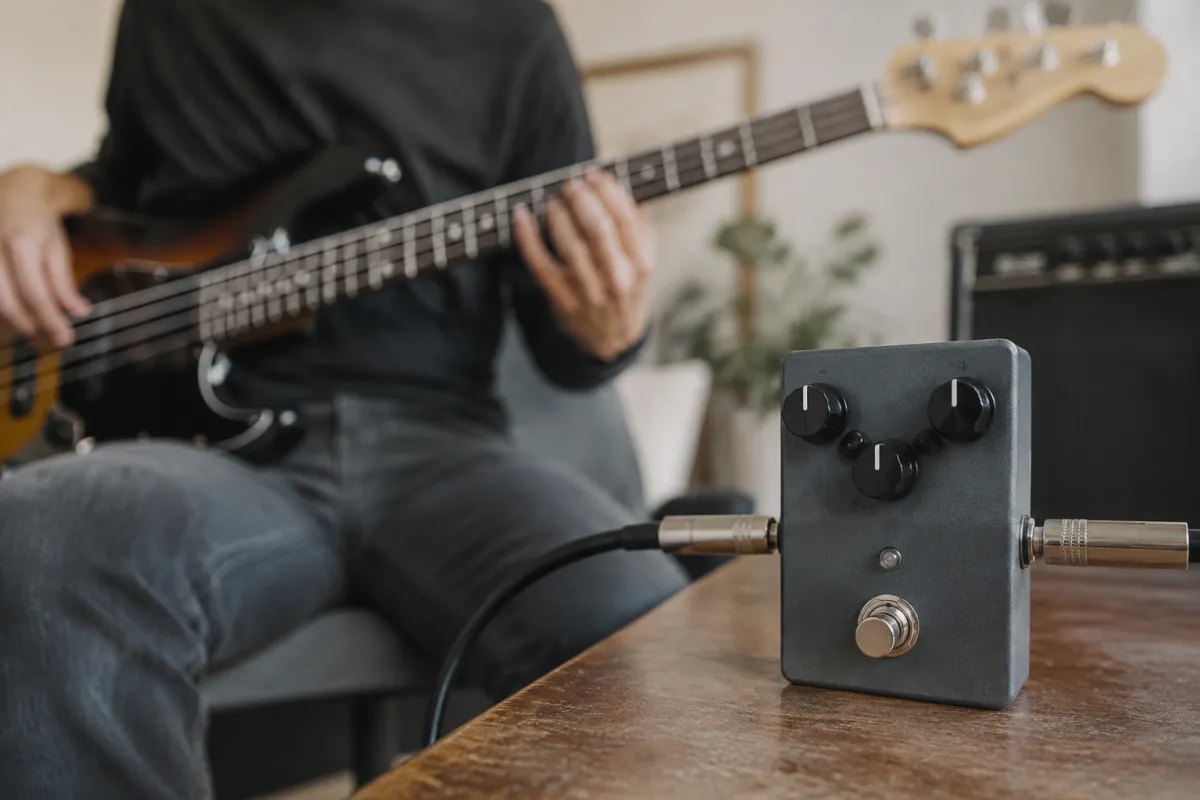
Purchasing a bass guitar compressor pedal requires understanding compression dynamics, ratio settings, and bass-specific design considerations that distinguish competent pedals from excellent ones. Many bass players approach compression hesitantly, viewing it as a mysterious effect for advanced players only. In reality, a quality compressor pedal transforms bass tone consistency, improves note articulation, and creates playing dynamics that engage listeners. Choosing correctly means understanding what actually matters rather than accepting confusing manufacturer specifications.
Understanding Bass Compressor Pedal Price Tiers
Budget bass compressor pedals, typically £40-120, offer basic compression functionality adequate for learning compression fundamentals. These pedals often lack fine control over ratio and threshold adjustments. Sound quality is acceptable but sometimes harsh or overly aggressive in compressing dynamics. They function as starter pedals—useful for discovering whether compression benefits your tone, but limiting for long-term serious playing.
Mid-range bass compressor pedals, priced £120-250, deliver professional-quality compression with nuanced control. Attack and release times adjust independently, allowing tone shaping beyond basic compression. Most touring bass players choose this tier—reliability, sound quality, and flexibility justify moderate investment. Build quality is robust enough for regular gigging.
Premium bass compressor pedals, above £250, feature boutique construction, hand-wired electronics, or renowned vintage-inspired designs. These suit professional touring bass players and studio recording sessions. The investment justifies itself through superior tone, dependable construction, and customisation options unavailable in cheaper models.
Critical Specifications When Purchasing
Compression ratio determines how aggressively the pedal reduces volume when signal exceeds a threshold. Lower ratios (2:1 to 4:1) apply subtle volume management preserving natural dynamics. Higher ratios (8:1 to infinity:1) squash dynamics dramatically, creating the sustained, even tone that defines heavy music styles. Bass players vary in compression preference—some desire subtle dynamics preservation, others prefer aggressive squashing. Choose pedals offering adjustable ratio or select a fixed ratio matching your intended tone aesthetic.
Attack time determines how quickly compression engages after signal crosses the threshold. Fast attack times (milliseconds) tame percussive playing quickly, ideal for slap bass and picking-heavy styles. Slow attack times let initial transients pass uncompressed, preserving picking attack and note definition. Mid-range attack values (30-50 milliseconds) balance dynamics control with attack preservation. Adjustable attack time allows tone experimentation; fixed attacks require acceptance that you're locked into a specific approach.
Release time controls how quickly compression stops after signal drops below threshold. Fast release times create punchy tone but can introduce noise artifacts. Slow release times maintain compression smoothing across sustained notes. Most bass players prefer moderate release values (100-250 milliseconds) balancing smoothing benefits against musical responsiveness. Adjustable release offers maximum flexibility.
Threshold determines the signal level triggering compression. Lower thresholds compress nearly all playing—aggressive volume control. Higher thresholds let only loud peaks trigger compression—subtle dynamics management. Adjustable threshold proves infinitely flexible; fixed thresholds require accepting a predetermined approach.
Tone shaping features distinguish excellent bass compressor pedals from mediocre ones. Input and output controls allow volume management before and after compression. EQ sections alter frequency response. Some pedals include blend controls letting you mix compressed and uncompressed signals, preserving attack while adding compressed sustain. Verify that your chosen pedal includes controls serving your tonal goals.
Bass-Specific Design Considerations
Bass frequencies demand specific compression approaches compared to guitar usage. Budget compression pedals designed primarily for guitar sometimes struggle with deep bass frequencies, producing inconsistent compression across your pitch range. Quality bass compressor pedals include dedicated frequency ranges optimised for low B strings, open E notes, and sub-frequency content.
Input impedance affects how the pedal responds to your bass signal. High impedance (1M ohm or higher) preserves natural bass tone and preserves high-frequency content. Low impedance can colour tone by rolling off frequencies. Check pedal specifications for impedance rating; quality designs list this information transparently.
Headroom and gain structure matter significantly. Quality bass compressor pedals include sufficient output level to overcome compression makeup gains, preventing volume drops during compression. Poor headroom forces loud playing to sound compressed despite settings suggesting otherwise. Test this by playing aggressively and verifying volume remains consistent with and without compression engaged.
What to Check Before Purchasing
Test the bass compressor pedal with your own bass if possible. Different basses respond to compression differently depending on pickup type, construction, and tonal character. What works perfectly for Fender Jazz basses might frustrate you on Precision bass models. Play through your standard pedalboard signal chain to verify compatibility.
Evaluate attack and release time ranges by ear. Play various bass lines—slap, fingerstyle, picked—and assess whether the pedal's compression feels natural or artificial. Honky, artificial compression diminishes playing joy; smooth, musical compression enhances it.
Check the pedal's interface. Cluttered controls confuse; elegant layouts allow quick adjustments during soundcheck. Quality pedals use strong LED indicators showing compression engagement. Poor designs sometimes use tiny, dim indicators making it difficult to verify pedal status during dark venues.
Examine the construction carefully. Metal chassis resist road damage better than plastic enclosures. Robust input/output connectors indicate longevity; flimsy connectors frequently fail after modest touring stress. Weight distribution should feel balanced; front-heavy designs suggest inferior internal wiring.
For comprehensive information on bass compressor pedal models and technical specifications, review our complete guide to bass guitar compressor pedals.
Common Purchasing Mistakes to Avoid
Don't purchase based on compression ratio alone. A pedal with high compression ratio isn't automatically superior to one with lower ratios available. Match compression character to your playing style and tone goals rather than assuming higher numbers mean better tone.
Avoid guitar-focused compressor pedals when possible. Guitar compressors often incompletely address bass-specific frequency ranges, producing inconsistent results across your instrument. Dedicating budget to a bass-specific pedal pays dividends through improved tone consistency.
Don't ignore attack and release adjustability. Fixed attack and release times force you into acoustic compromises. Adjustable controls allow tone shaping and adaptation across different bass guitars and playing styles. This flexibility justifies mid-range pricing.
Overlook blend controls at your peril. Blend controls mixing compressed and uncompressed signals preserve attack dynamics whilst adding compression benefits. This approach appeals to players valuing note definition. Pedals lacking blend force you to accept pure compression without attack preservation.
New vs. Secondhand Bass Compressor Pedals
New bass compressor pedals arrive with warranty protection and manufacturer support if defects emerge. Most retailers include trial periods allowing return if the pedal disappoints. Leverage this protection thoroughly before accepting your purchase.
Secondhand bass compressor pedals offer savings but require thorough assessment. Request videos demonstrating actual tone, photographs showing physical condition, and documentation of repair history or modifications. Check whether the pedal has been used regularly (potentially stressed) or occasionally (typically excellent condition).
Factor potential repair costs into secondhand offers. Footswitch replacement costs £20-50; internal circuit board work runs £50-150; complete repair sometimes exceeds £100. A seemingly cheap pedal requiring professional repair becomes an expensive investment. Calculate complete cost before offering.
Making Your Bass Compressor Pedal Purchase
A sensible bass compressor pedal purchase prioritises adjustable controls over fixed settings, bass-specific design over general-purpose alternatives, and sound quality verified through actual listening rather than specification sheets. It means testing with your bass and existing equipment, not accepting abstract theoretical compatibility. It means accepting that compression takes experimentation to dial in perfectly—don't expect immediate magical tone transformation.
Quality bass compressor pedals reward investment by improving tone consistency, enhancing articulation, and supporting creative playing dynamics. They prove durable through years of gigging and maintain resale value acceptably. Poor choices frustrate through limited tonal options, unreliable compression behavior, or fragile construction. Invest time in selection—your bass tone quality depends on it.


Comments