
Combo Marshall Amps article
The Complete Guide to Combo Marshall Amps
Discover Marshall combo amps—portable amplifiers combining head and cabinet. Learn wattage, tone-shaping features, popular models and pricing for guitarists.
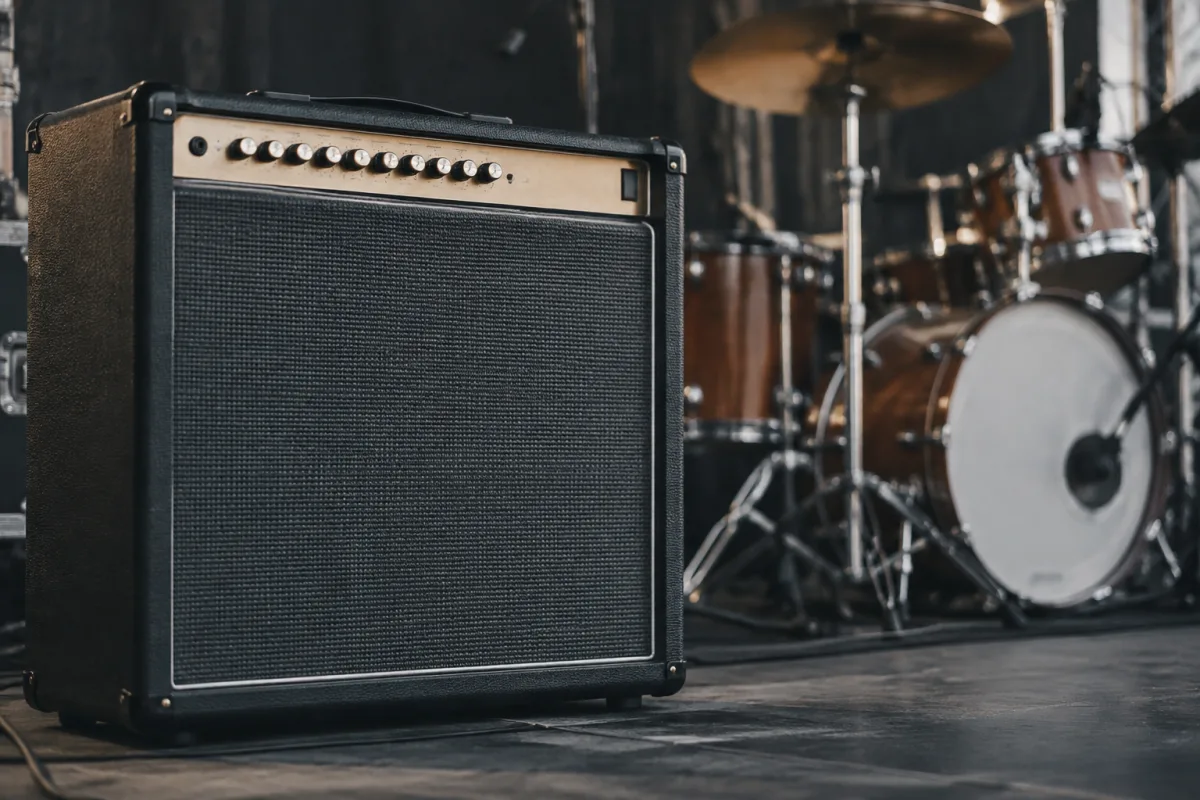
Marshall Combo Amps: Legendary Tone in Compact Form
Marshall combo amplifiers combine an amplifier head and speaker cabinet into a single, portable unit. They're the go-to choice for gigging guitarists, rehearsal-room practitioners and players seeking legendary Marshall tone without the bulk of separate components. Whether you're performing in small venues or practicing at home, understanding Marshall combos helps you find the right tool for your needs.
The Marshall Combo Philosophy
Marshall has defined guitar amplification for over six decades. Their combo amps distil this expertise into self-contained packages. You get Marshall's signature crunch and sustain in a box you can carry, set up and play in minutes. For touring professionals and weekend warriors alike, this convenience has immense appeal.
Marshall combo amps range from compact 1-watt practice models to full-sized 100-watt stage rigs. Each serves different contexts, and understanding which suits your needs is the first step toward the right purchase.
Wattage and Venue Size
Power in watts doesn't directly correlate to volume—a 20-watt combo played loud sounds nearly as powerful as a 100-watt model played at moderate volume. However, headroom matters. More power gives you louder clean tone and better dynamic response with less distortion.
For home practice, 1–20 watts is ample. You'll get adequate volume for personal playing without disturbing neighbours excessively. Small rehearsal spaces and intimate venues (clubs, coffee shops) suit 20–50 watts comfortably. Medium-sized venues and louder bands require 50–100 watts. Touring bassists or extremely loud bands may need 100+ watts, though this exceeds typical combo amp capacity.
Tube vs. Solid-State Models
Marshall's most celebrated combos feature tube amplification. Tubes warm the signal, add harmonic richness and provide natural breakup when driven hard. The EL84 tubes in many Marshall combos produce bright, responsive tone. The 6L6 tubes in larger models deliver deeper, more explosive sound.
Solid-state Marshall combos prioritise reliability and portability. They run cooler, require minimal maintenance and offer consistent tone. They lack the tube warmth but excel for players prioritising headroom and clean amplification without colouration.
Key Marshall Combo Models
The Marshall DSL (Dual Super Lead) series is hugely popular, offering switchable wattage (20, 5 or 1 watt) and both clean and crunch channels. The Origin series provides a modern take on classic Marshall tone with contemporary features.
The Marshall MG series targets budget-conscious players, offering digital modelling and effects. Whilst not tube amps, they're affordable and feature-rich. The Code series is Marshall's digital offering, combining modelling with physical controls for hands-on control of tone.
For purists, the Class5 and Class100 combos deliver straightforward, unadulterated Marshall tone—all tubes, minimal features, maximum personality.
Tone-Shaping Controls
Most Marshall combos include EQ controls—bass, middle and treble—for tonal shaping. More sophisticated models add gain controls, channel switching (clean and crunch channels), and effects send/return loops for external effects.
The gain control determines how much the preamp drives into the power amp. Higher gain yields more distortion; lower gain offers cleaner tone. This flexibility lets you dial in anything from clean vintage tones to thick, saturated overdrive.
Built-in Effects and Features
Modern Marshall combos increasingly include reverb, delay and modulation effects. These onboard effects add dimension to your tone without requiring external pedals. Digital models like the Code series offer extensive effects libraries—flangers, phasers, chorus, reverb and delay.
Some combos feature switchable wattage—the ability to run at full power (50/100 watts) or reduced power (20/5 watts) for stage flexibility. This lets you use lower wattage for smaller venues or cranked tube tone without excessive stage volume.
Portability and Weight
A significant advantage of combo amps is integrated design—no cables needed between head and cabinet, no separate transport. However, weight varies considerably. A 20-watt tube combo typically weighs 20–25 kilograms; a 100-watt model can exceed 40 kilograms.
For touring, portability is crucial. A lightweight 20-watt combo travels easily and doesn't require a separate cabinet or speaker cables. For stationary use—rehearsal space or permanent installation—weight matters less.
Speaker Considerations
The speaker inside your combo significantly influences tone. Marshall typically uses Celestion speakers, known for bright, responsive character. Larger combos often feature 12-inch speakers for deeper bass response; smaller models use 10-inch or smaller speakers for tighter, punchier tone.
If you're unhappy with your combo's speaker, some models allow speaker replacement, though this requires some technical knowledge.
Clean Channel vs. Crunch Channel
Most Marshall combos offer both clean (low-gain) and crunch/lead (high-gain) channels. Switching between channels lets you play clean rhythms and then kick into overdrive for solos without stopping. This channel architecture is core to Marshall's appeal—versatility within a single unit.
Price and Value
Marshall combos range from GBP300 (entry-level digital models) to GBP1,500+ (high-end tube models). A decent tube combo starts around GBP600–800. For the price, you're getting legendary amplifier design and proven reliability.
Secondhand Marshall combos represent excellent value. The brand holds value well, and older models remain sonically relevant. A 10-year-old Marshall DSL50 Combo still sounds fantastic and costs considerably less than new.
Is a Marshall Combo Right for You?
If you want authentic Marshall tone in a portable, self-contained package, a combo amp is ideal. Beginners benefit from Marshall's straightforward tone-shaping. Professionals appreciate the reliability and iconic sound. Whether you prioritise tube warmth, digital flexibility or budget-conscious features, Marshall offers options for every level and style.
Your Marshall combo will be a trusted instrument for years. The combination of legendary tone, proven design and physical portability makes Marshall combos a defining choice for countless guitarists worldwide.


Comments