


Classic 30 Peavey article
Classic 30 Peavey for Beginners: A Complete Guide
Looking at a Classic 30 Peavey as your first real amp? This beginner's guide covers tube tone, three channels, practical setup, and gigging realities.
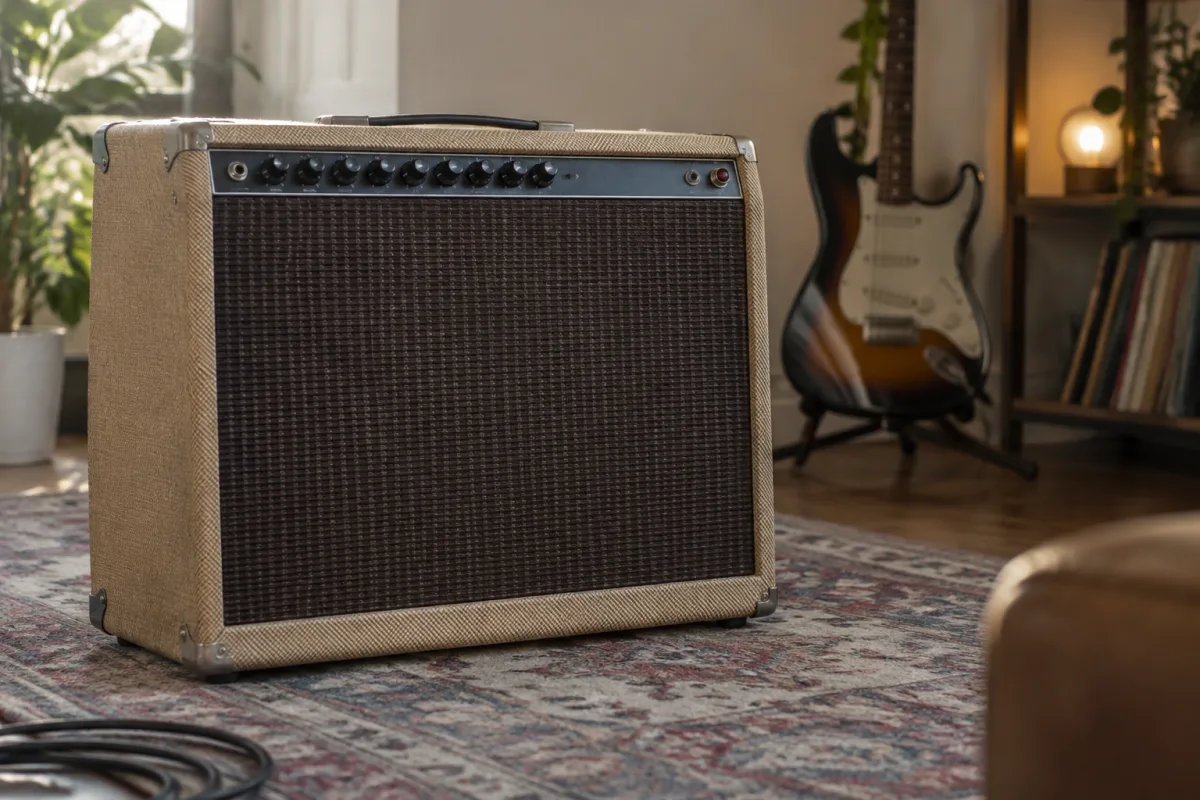
If you're a beginner guitarist looking for your first "real" amplifier—not just a tiny practice amp, but something with genuine tone and gig capability—the Classic 30 Peavey is a name that keeps coming up in recommendations. And for good reason: the Classic 30 Peavey combines an affordable entry price with surprising tone depth and the durability that Peavey is known for. But is it the right amplifier for your specific situation? This beginner's guide walks through what the Classic 30 Peavey actually is, whether it suits your needs, and what to expect as you start using one.
What Makes the Classic 30 Peavey Special for Beginners
The Classic 30 Peavey sits at a sweet spot for beginners: it's affordable enough not to induce buyer's remorse (typically £300–500 used, occasionally new), powerful enough for genuine gigging (30 watts), and versatile enough to serve multiple genres. It's a combating amplifier—the head and speakers are integrated—which means it's ready to use out of the box without buying additional cabinets.
The Classic 30 Peavey is a tube amplifier, which matters. Beginners often hear "tube amp" and think "vintage," "expensive," or "complicated." The Classic 30 Peavey dispels those myths. It's relatively modern, genuinely affordable, and straightforward to operate. That combination—tube tone at a beginner-friendly price point—is why it's beloved.
Understanding the Classic 30 Peavey's Architecture
The Classic 30 Peavey is a 30-watt, three-channel tube amplifier with integrated speakers (a 12-inch Celestion speaker). It offers clean, overdrive, and lead channels, giving you tonal flexibility across genres without overwhelming complexity. The preamp is all-tube; the power amp is tube as well (EL84s), meaning the entire signal path is tube-driven for warm, responsive tone.
That tube-driven design is the heart of the Classic 30 Peavey's appeal. When you crank it, it sounds like a real amplifier cranked—responsive, dynamic, and full of character. Solid-state alternatives at similar prices sound thinner and less forgiving. For beginners learning how amplifiers should respond, tube amplifiers like the Classic 30 Peavey are genuinely educational.
Is the Classic 30 Peavey Right for You as a Beginner?
Before committing to a Classic 30 Peavey, consider these questions:
- Will you gig with this amplifier? If yes, the Classic 30 Peavey makes sense. If you're exclusively home-recording, a smaller combo or modeling amp might be more practical.
- Do you have space for a combo amplifier? The Classic 30 Peavey is a combo, not a compact head-and-cabinet. It takes up significant floor space. Confirm it fits your room.
- Are you comfortable with tube amp maintenance? Tube amps need occasional valve replacements (not frequent, but it happens). Solid-state alternatives require less maintenance.
- Do you like the tone character of cranked tubes? The Classic 30 Peavey excels when pushed to volume. If you only play at whisper-quiet levels, tube response matters less.
- Is your budget truly £300–500? If not, consider whether solid-state alternatives are more economical for your situation.
If you've answered yes to most of these, the Classic 30 Peavey is worth considering seriously.
The Three Channels Explained for Beginners
The Classic 30 Peavey's three channels confuse some beginners. Here's the practical breakdown:
- Clean channel: Pure, clear tone. Use this for jazz, clean country, or any style requiring acoustic-like clarity. The Classic 30 Peavey's clean channel is surprisingly warm and musical, not thin or sterile.
- Overdrive channel: Pushed, crunchy tone. This is rock and blues territory. Turn the gain up and you get natural tube saturation without harsh digital distortion.
- Lead channel: Maximum gain for heavy solos and distorted rhythm work. This channel is where the Classic 30 Peavey shines for metal and aggressive rock.
All three channels are switchable via footswitch (sold separately), meaning you can change between them during performance. This versatility is rare at the Classic 30 Peavey's price point.
Common Beginner Mistakes With the Classic 30 Peavey
Learning from others' stumbles accelerates your progress. Here are mistakes beginners consistently make with the Classic 30 Peavey:
- Assuming 30 watts means it's loud enough for any gig: Wattage matters, but room size, audience, and band context matter more. A 30W Classic 30 Peavey in a large venue without PA support might struggle. In a small club with good positioning, it's plenty.
- Cranking the master volume expecting tone control: The master volume affects loudness, not tone shaping. For tone adjustment, use the channel gain controls. Beginners often misuse volume control.
- Ignoring the footswitch necessity: The Classic 30 Peavey's three channels are only useful if you can switch between them. Without a footswitch, you're stuck on one channel. Budget for a footswitch if you want channel flexibility.
- Not understanding tube breakup and natural distortion: Unlike solid-state amps, tube amps sound better and more responsive as you increase volume. Beginners often under-push the Classic 30 Peavey, not realizing the tone only opens up when you crank it slightly.
- Neglecting valve maintenance: The Classic 30 Peavey's tubes rarely fail unexpectedly, but they do age. Every 1–2 years of regular gigging, consider re-tubing. It's not expensive (£50–100) but requires knowing it's needed.
- Buying without testing through your own guitar: The Classic 30 Peavey sounds excellent, but you need to hear it with your specific guitar and in the playing contexts you'll use it. Test before committing.
Practical Setup and Usage for Your First Classic 30 Peavey
When you bring a Classic 30 Peavey home, here's how to set it up optimally:
- Positioning: Place it on a stand or speaker stand at ear level when you're sitting. This gives you the most honest representation of how it sounds and makes tweaking easier.
- Initial settings: Start with all gains and volumes around 50 percent. Play gently and adjust from there. Don't crank anything initially; you're learning how the amp responds.
- Cable quality: Use quality instrument cables (not cheap ones that introduce noise). The Classic 30 Peavey deserves good cables to show what it can do.
- Tube breakup understanding: Push the overdrive and lead channels' gains moderately. Crank the master volume a bit. You'll hear the tubes respond musically. This responsive character is what separates tube amps from solid-state.
- Footswitch investment: If you plan to gig, a Classic 30 Peavey footswitch (£30–50) is essential. Test the amp without one first to confirm, but you'll eventually want it.
Valve Maintenance: Basic Understanding for Beginners
You don't need to become a tube technician to own a Classic 30 Peavey. Here's what you genuinely need to know:
- Tubes age over time. After 1–2 years of regular gigging, tone might subtly degrade. When you notice a flatter response or reduced clarity, tubes might be due for replacement.
- Professional re-tubing typically costs £50–150. You can replace tubes yourself (many beginners do; YouTube guides help), but let a pro do it initially.
- Failures are rare but happen. If a tube fails catastrophically (sudden loss of output or extreme noise), stop using the amp until it's repaired. Continuing to use a Classic 30 Peavey with a failed tube can damage other components.
- Quality tubes improve tone slightly. Budget replacements work; quality tubes (Mullard, Telefunken) sound marginally better but cost more. Your choice.
Gigging With a Classic 30 Peavey: Practical Realities
Once you're comfortable with the Classic 30 Peavey in a bedroom, here's what gigging is actually like:
- Portability: It's not lightweight—combos inherently weigh more than heads. You'll need to carry it carefully. A good gig bag helps.
- Sound reinforcement: In larger venues, you'll typically go through a PA system. Your Classic 30 Peavey becomes a stage monitor, not your main sound source. That's normal and expected.
- Band dynamics: If your band is loud (drums, aggressive playing), the Classic 30 Peavey might feel underpowered. You'll adapt by positioning it better or accepting that your tone is shaped by the venue more than the amp.
- Durability: Peavey's reputation for reliability holds up. A well-maintained Classic 30 Peavey survives countless gigs without failure. That durability is part of its appeal.
When You're Ready to Upgrade
As you progress and your needs evolve, the Classic 30 Peavey becomes a capable backup amplifier rather than your main rig. When you're ready to explore bigger systems, deeper tone complexity, or genre-specific amplifiers, the complete guide to Classic 30 Peavey provides detailed specifications, modification possibilities, and professional applications for this respected amplifier.
Conclusion: A Genuine Step Forward
The Classic 30 Peavey represents a genuine step forward from practice amplifiers into gig-ready territory. It's affordable enough to commit to without financial regret, powerful enough for genuine gigging, and tonally expressive enough to teach you what responsive tube tone actually feels like. The three channels give you versatility; the tube power amp gives you musical responsiveness; the Peavey build quality gives you durability. For beginners ready to move beyond practice amps and into real amplification, the Classic 30 Peavey is an excellent, proven choice. It's served countless musicians well, and it can serve you equally well if your needs align with what it offers.


Comments