


Case Headphone article
Case Headphone for Beginners: A Complete Guide
Case headphones transform silent guitar practise by letting you hear yourself clearly without disturbing others. This beginner's guide covers setup, headphone selection, and practise techniques.
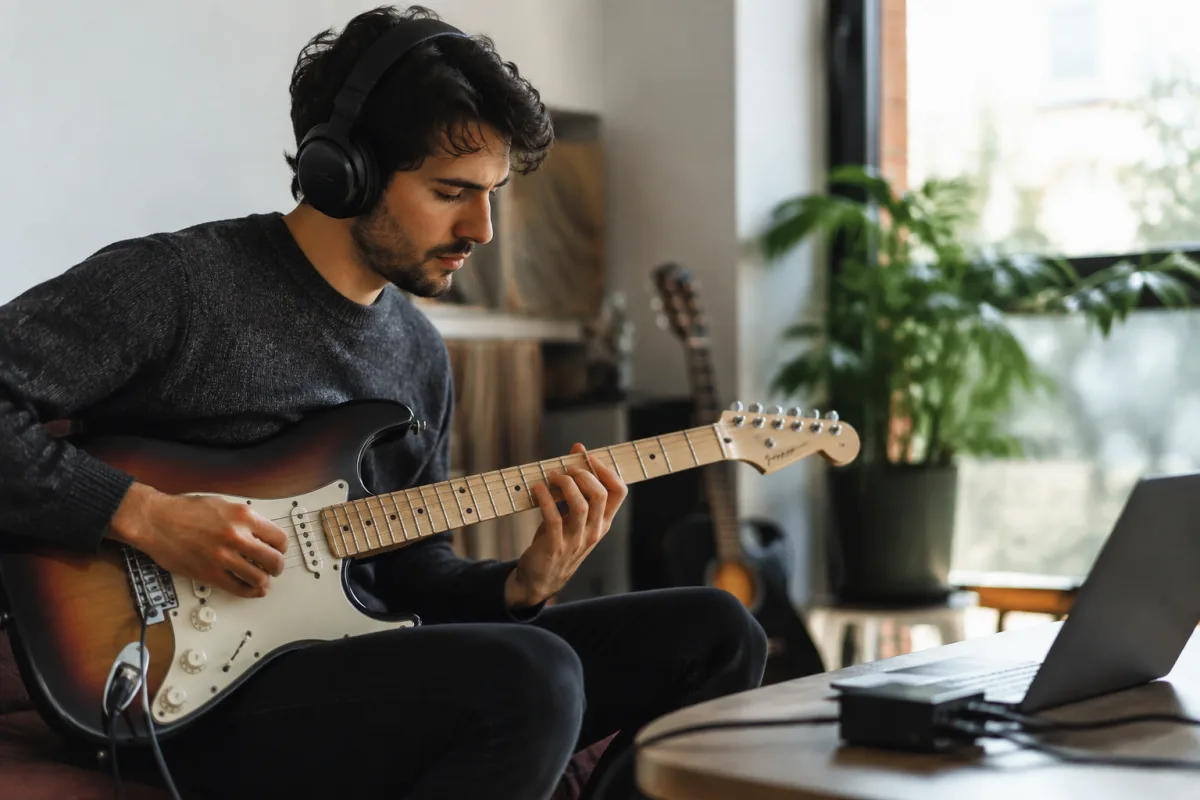
Using headphones to practise guitar in a case headphone setup can seem like unnecessary complexity when you're starting out, yet this approach offers tremendous advantages that transform how enjoyably you practise. Case headphone systems—headphones designed to work with guitar amplifiers and recording equipment—remain largely misunderstood by beginners. This guide shows you that case headphone practise is simpler and more rewarding than you probably assume.
What Are Case Headphones?
Case headphones are simply quality headphones optimised for monitoring guitar and other musical audio. The term "case" refers to their use in studio or practise "cases"—situations where you need personal monitoring without disturbing others. Case headphones provide honest, accurate sound reproduction so you hear your performance clearly and can adjust your playing accordingly.
For guitarists specifically, case headphones solve the problem of hearing yourself whilst practising quietly. Rather than relying on your amplifier at volume, you can plug into a headphone amplifier or audio interface, hear your playing through quality headphones, and practise at any time without volume concerns. Your family sleeps whilst you develop your skills.
Why Beginners Should Care About Case Headphones
Practising through case headphones fundamentally changes your development trajectory. Without headphones, you hear your guitar amplifier's sound, which might not reveal practice issues clearly. Through quality case headphones connected to a recording interface, you hear precisely what your guitar is producing—every error becomes obvious, encouraging rapid improvement.
Case headphones also enable practise freedom. You're no longer constrained by amplifier volume or neighbour relations. Midnight inspiration strikes? Practise immediately through case headphones. This freedom to play whenever you want dramatically accelerates skill development compared to waiting for "convenient practise times."
Getting Started with Your First Case Headphone Setup
Starting simple is crucial. You need only three components: your guitar, a recording interface (or basic headphone amplifier), and case headphones. Quality recording interfaces cost £50-200 and handle all technical coordination. Simply connect your guitar to the interface, plug in your case headphones, and start playing. That's genuinely all setup involves.
For your first case headphones, prioritise comfort. You'll wear them for hours during practise sessions. Quality matters—uncomfortable headphones discourage regular use. Established headphone manufacturers like Audio-Technica, Beyerdynamic, and Shure make excellent case headphones in the £60-150 range. These sound professional and feel comfortable for extended practise sessions.
Choosing the Right Case Headphones
Case headphones should provide "flat" frequency response, meaning they don't artificially boost bass or treble. Flat response helps you hear your actual playing without coloration. Gaming or consumer headphones with enhanced bass mask playing errors—not ideal for practise.
Cable length matters practically. Case headphones with 3-5 meter cables give freedom to move whilst practising without becoming tethered to your interface. Shorter cables restrict movement; longer cables tangle. Consider your practise space when selecting cable length.
Beginner Concerns About Case Headphones
Many new musicians worry that headphone practise is somehow "inferior" to amplifier practise. This concern is unfounded. Professional studio musicians practise primarily through case headphones. Headphone practise reveals details and encourages precision that amplifier practise doesn't always provide.
Another beginner worry: that case headphones won't capture your amplifier's tone if you use one. This is actually fine. Hearing your raw guitar tone through headphones trains your ear for what your guitar produces before amplification. Later, you'll develop deeper appreciation for how amplifiers colour that tone.
Beginners sometimes fret about equipment compatibility. Can your guitar connect to case headphones? Almost certainly yes. Any recording interface accepts guitar inputs and outputs headphone signals. Interface companies design specifically for musicians—compatibility is guaranteed.
Common Beginner Mistakes
The biggest mistake is purchasing expensive case headphones before understanding your preferences. Spend £50-100 on adequate headphones initially. After months of use, you'll understand which features matter to you. Expensive headphones purchased speculatively often remain unused.
Second mistake: neglecting comfort in favour of "professional" features. Case headphones you won't wear are useless. Comfort is genuinely a primary requirement. Test headphones before purchasing if possible.
Third mistake: assuming one specific case headphone model suits all players. Individual preferences vary dramatically. What one guitarist loves, another dislikes. Find your preference through experience rather than assuming reviews.
Building Your Practise Routine
Start using case headphones immediately and make them your primary practise tool. You'll be amazed how much faster you develop when monitoring yourself clearly through quality headphones. Consistency matters far more than session length. Thirty minutes daily through case headphones develops skills faster than three-hour weekly practise sessions.
Record yourself regularly. Play through case headphones, record the output, and listen back. This builds self-awareness—you hear yourself the way others do. Combined with headphone practise, recording creates a powerful learning cycle.
Moving Forward
As your skills develop, you'll discover case headphone subtleties you initially missed. You'll understand why certain headphone characteristics matter. At that stage, if you want upgrading, you'll purchase with full understanding of your preferences.
For comprehensive understanding of monitoring techniques and headphone technology, explore our complete case headphone guide. You now have everything needed to start practising through quality case headphones and accelerate your guitar development significantly.



Comments