


Cable Snakes Buying guide
Cable Snakes: A Complete Buyer's Guide
Buying a cable snake without knowing the specs? This guide covers what matters: channel count, cable length, connectors, gauge, build quality, and common pitfalls to avoid.
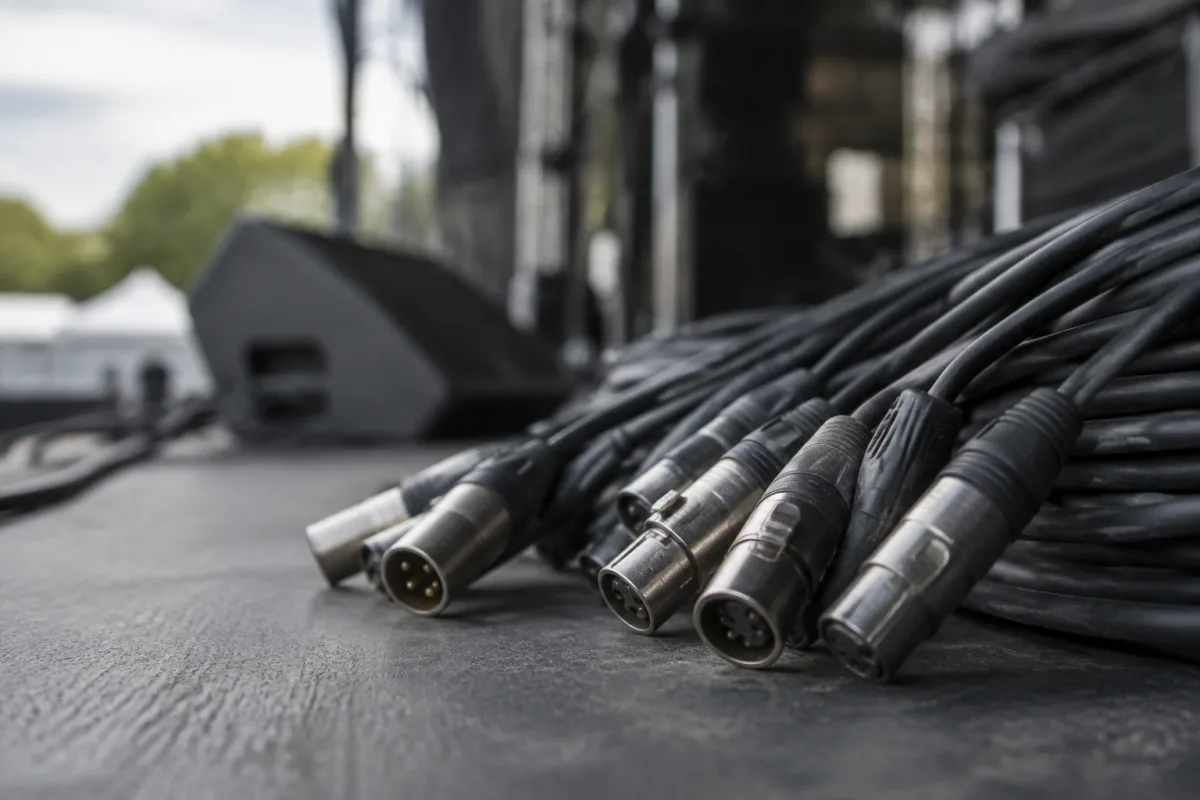
If you're shopping for cable snakes, you're looking to tidy up your live sound setup and reduce clutter. But like most audio gear, choosing the right one means understanding the specs, the pitfalls, and what you're actually paying for. This guide cuts through the marketing and shows you exactly what matters when buying cable snakes.
Channel Count: Start with Your Actual Needs
Cable snakes come in standard configurations: 8-channel, 12-channel, 16-channel, and higher. The biggest beginner mistake is buying too many channels. If you're running a 6-piece band with a vocal and two floor monitors, an 8-channel snake does the job. You don't need 16.
Here's why this matters: more channels mean a bulkier cable, higher cost, and more weight to haul. Count up your actual audio lines (microphones, instruments, monitor feeds), add two for growth, and that's your sweet spot. Buying excess channels is like buying a truck when you need a van—it works, but you've wasted money and space.
Cable Length: The Hidden Cost
Cable snakes come in standard lengths: typically 20, 30, 50, and 100 feet. Length directly affects price, so measure carefully. A 50-foot snake costs significantly more than a 30-footer, and if you only need 30 feet, you're throwing money away.
That said, don't go too short. Running a snake that's barely long enough creates tension on connectors, risks damage during setup, and limits your stage layout flexibility. Add 10-20% to your measured distance for comfort. If you're unsure, rent a snake of your intended length at a local rental house before committing to a purchase—rental costs are tiny compared to buying the wrong length.
Connector Types: What Actually Connects to Your Gear
Most professional cable snakes use XLR connectors on both ends. This is standard for a reason—they're durable and widely supported. However, some snakes mix connector types: XLR on one end and 1/4-inch (phono) on the other, for example.
- All XLR: Industry standard for professional venues. Buy this unless you have a specific reason not to.
- XLR + 1/4-inch: Useful if you're mixing balanced and unbalanced sources, but more expensive and less flexible for upgrades. Only buy this if your current mixer specifically requires it.
- Speakon connectors: Some high-end snakes use Speakon plugs. These are rugged but less versatile. Check your amplifier—if it doesn't support Speakon, this snake won't work for you.
Don't assume you need what the salesperson recommends. Check what your mixer and amplifier actually support before you buy. Buying the "fancy" connector type wastes money if your equipment doesn't need it.
Cable Gauge and Quality: What the Numbers Mean
Cable snakes specify AWG (American Wire Gauge) for each channel. Common gauges are 24 AWG and 22 AWG. Lower numbers (like 22) mean thicker wire and better signal quality over long distances. For most venues under 100 feet, 24 AWG is fine. For permanent installations or runs over 100 feet, go for 22 AWG.
The difference in price is modest, but the practical difference matters: 22 AWG handles signal loss better and is more durable overall. If you're buying once and keeping it for years, 22 AWG is worth the small premium.
Check the shielding specification too. Better snakes use foil and braid shielding combined, reducing electromagnetic interference (EMI). Budget snakes use foil alone. If you're running your snake near power cables or stage lighting rigs, better shielding prevents hum and noise—spend the extra £50–100 for peace of mind.
Build Quality and Durability: Where Price Differences Show
Budget cable snakes (£100–250) have simpler connectors and lighter-gauge shielding. They work, but the connectors wear faster and signal quality degrades sooner. Mid-range snakes (£250–600) add better connectors and shielding, lasting longer and sounding cleaner. Professional touring snakes (£600+) use precision connectors and reinforced strain relief.
For regular use (weekly gigs), a mid-range snake is the sweet spot. Budget snakes are fine for occasional use or if you're renting. Don't buy a £1,200 touring snake for a monthly pub gig—you'll never use its durability.
Check the connector quality closely: professional-grade connectors (like Neutrik XLRs) feel solid and resist corrosion. Cheap connectors feel loose and corrode quickly in humid venues. Handling a snake in-store tells you a lot—a £400 snake feels different from a £120 one.
Common Pitfalls to Avoid
- Buying too many channels: You end up with unused capacity and excess weight. Stick to what you need plus one spare.
- Ignoring cable management: A snake is only useful if you can route it cleanly. Budget snakes tangle more easily. Better snakes use Velcro straps or coil more neatly. This matters more than you'd think.
- Mixing balanced and unbalanced without knowing why: If your equipment is all balanced XLR, buy all-balanced. Don't pay extra for mixed connectors you won't use.
- Buying based on brand alone: Well-known brands cost more, and you do get better build quality. But mid-range alternatives from companies like Behringer or Mackie offer good value. Don't automatically dismiss them.
- Assuming warranty means durability: A 5-year warranty sounds good, but cables fail from use, not manufacturing defects. The warranty rarely covers wear and tear. Buy quality that lasts, not warranty that sounds good.
Price Tiers and What You Actually Get
| Price Range | Use Case | Connectors | Durability |
|---|---|---|---|
| £80–150 | Occasional use, casual rehearsal | Basic XLR | 2–3 years |
| £250–400 | Regular gigs, monthly+ use | Professional XLR (Neutrik) | 5–7 years |
| £500–800 | Weekly tours, permanent install | Professional connectors + precision build | 10+ years |
| £800+ | Professional touring rigs | Premium connectors, custom builds | 15+ years with care |
Cable Snake Accessories Worth Considering
Once you've chosen your snake, consider these add-ons:
- Snake bag or case: Protects during transport and keeps it organized. Worth £50–150 depending on quality.
- Velcro cable wraps: Makes coiling easier and faster. £10–20 for a set.
- Patch bay labels: Prevents mistakes during setup. About £5–10 per roll.
- XLR gender changers: Occasionally useful if connector mismatch happens. Buy a couple as spares (£3–5 each).
Where to Buy: New vs. Used
New cable snakes from retailers carry warranties and come with full documentation. Used snakes are cheaper but harder to assess—you can't test all channels on a brief inspection. If you buy used, ask for a full channel test at handover and get documentation in writing.
Renting is also worth considering for one-off events. You pay £20–50 per gig but avoid the capital cost and storage hassle. For regular use (2+ times per month), buying pays for itself within a year.
Making Your Final Choice
Here's your buying checklist:
- Count your exact audio channels and add two for growth
- Measure your distance and add 15% for comfort
- Confirm your mixer and amplifier use XLR connectors
- Decide on your budget based on usage frequency
- Buy 22 AWG gauge if you're committing long-term
- Check for professional-grade connectors (Neutrik is standard)
- Handle the cable in-store to assess build quality
- Factor in a protective bag or case for durability
For a deeper technical dive into cable snakes and their applications, see the complete guide to cable snakes.
Final Thoughts
A good cable snake is a one-time investment that saves setup time and keeps your stage tidy. Don't overspend on features you won't use, but do invest in durability if you're using it regularly. The right choice balances your needs, your budget, and your usage pattern. Measure twice, buy once.



Comments