


Battery Powered Amp article
Battery Powered Amp for Beginners: A Complete Guide
Battery amps offer freedom and portability, but the range from disappointingly thin to genuinely professional is huge. This guide helps you choose the right one.
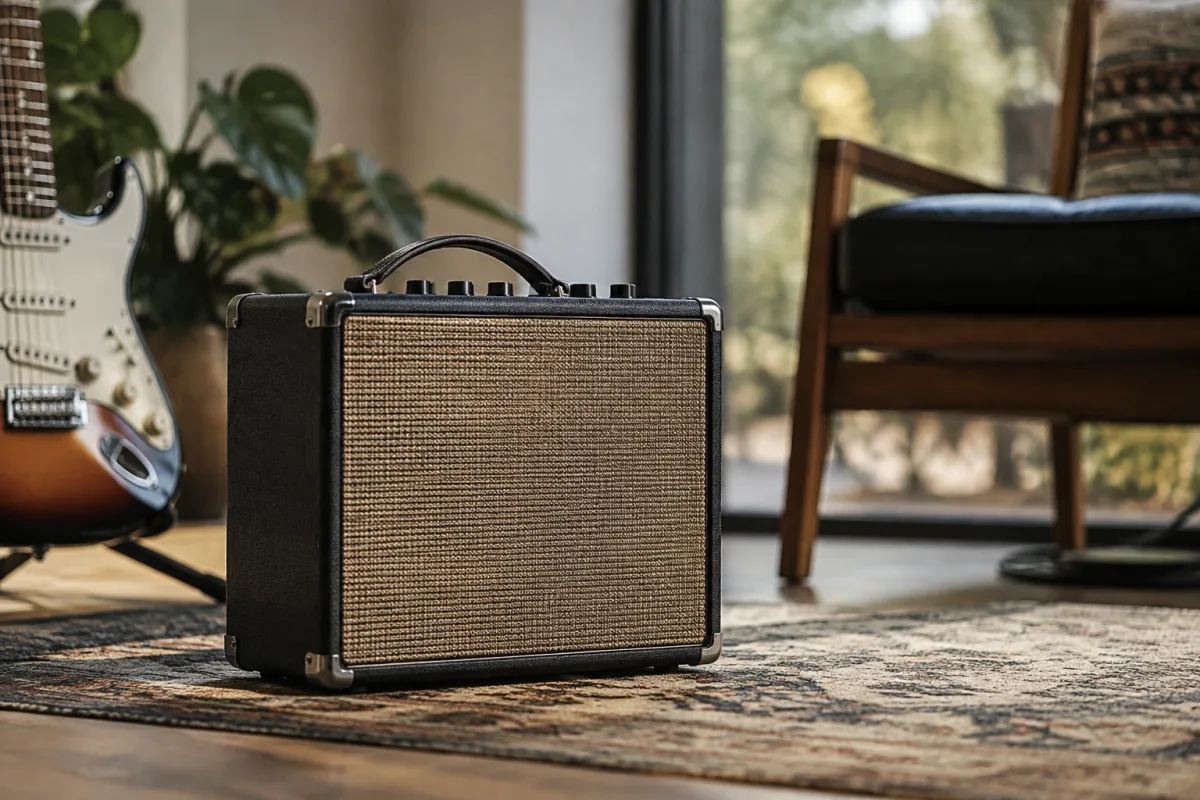
Playing guitar at a party, practising in the park, or busking on the street — sometimes a traditional AC-powered amp isn't practical. A battery-powered amp is the answer. If you've never used one, you might worry they're underpowered toys or that they sacrifice tone for portability. The reality is more nuanced: modern battery amps range from genuinely excellent to completely disappointing, and knowing the difference is key.
What Is a Battery-Powered Amplifier?
A battery-powered amp is exactly what it sounds like: an amplifier that runs on rechargeable or disposable batteries, usually AA, 9V, or larger lithium packs. They range from pocket-sized amps (5–10 watts) suitable for bedroom practice to proper busking rigs (50+ watts) that can handle small venues.
The advantage is obvious: freedom. No cable, no outlet, no extension cords tripping over. Grab it and go. The trade-off is that battery life is finite, and some designs sacrifice tone in favour of portability.
Key Types of Battery Amps
Tiny practice amps (5–15 watts): Pocket-sized, often run on 4–8 AA batteries. Great for dorm rooms or quiet practice, but tone can be thin. Brands like VOX and Marshall make reliable pocket models (£30–80).
Busking amps (20–50 watts): Larger, often run on rechargeable lithium packs. Loud enough for outdoor playing and street performances. These are the sweet spot for balance between portability and real tone. Expect £100–300.
Hybrid rechargeable amps (50–100+ watts): Premium models from Boss, Roland, or Marshall. Built-in rechargeable batteries, often with multiple hours of runtime. Professional quality, but expensive (£300–700+).
Powered cabinets / monitor systems: Not strictly amps, but wireless systems where the battery-powered receiver sends audio to a separate speaker. Used by buskers and traveling musicians.
Tone: What to Expect
Budget battery amps often sound thin and compressed — the speaker is small, the wattage is low, and the circuitry is stripped down for cost. A tiny 5-watt VOX sounds cute but not particularly musical.
Mid-range busking amps are where tone starts to matter. A decent 30–50-watt battery amp from a reputable brand sounds warm and present, suitable for busking or open mics. The speaker is larger, the watts are meaningful, and the circuit design is more thoughtful.
Premium models like the Boss Katana or Roland Cube are genuinely good-sounding amps that happen to run on batteries. They don't compromise tone; they just add portability.
Battery Life and Runtime
Pocket amps on AA batteries typically last 8–12 hours of intermittent playing, less at full volume. Busking amps with larger packs go 6–10 hours. Premium models with large lithium batteries can run 12+ hours.
Here's the practical reality: if you're busking a 4-hour session, a decent battery amp will get you through. If you're touring and playing 8-hour festival days, you need a backup amp or fast-charging technology.
Check the specifications carefully. Some amps claim long battery life at low volume; full volume drains them much faster.
What Matters When Choosing
Wattage: Don't get fooled into thinking watts are everything. A well-designed 30-watt amp sounds louder and better than a poorly-designed 50-watt one. Focus on brand reputation and actual sound, not specs.
Speaker size: Larger speakers (8–12 inches) sound fuller. Tiny 4–5-inch speakers sound thin. If tone matters to you, prioritise speaker size.
Built-in effects: Many battery amps include reverb, delay, and overdrive. Nice-to-have, but not essential. Focus on tone first.
Input flexibility: Can you plug in a guitar, microphone, and line-level devices? Multiple inputs add versatility.
Charging time: Rechargeable models should charge in 2–4 hours, not overnight. Fast charging is convenient.
Weight and size: Truly portable amps weigh 2–4 kg. Anything heavier defeats the purpose for many players. Check actual dimensions — "compact" is relative.
Common Beginner Mistakes
The biggest mistake is buying a tiny practice amp and expecting busking-level tone and volume. A £30 pocket amp is for quiet bedroom practice, not real performances.
Another pitfall: overestimating battery life. If the specs say 10 hours, assume 6–8 hours at the volume you'll actually use. Budget accordingly.
Don't assume a cheap battery amp is a good value. A £60 amp from an unknown brand will likely disappoint. Spend a bit more on a recognisable name with actual reviews.
Price Tiers and Recommendations
Budget tier (£30–80): VOX Pathfinder, Marshall Micro. Basic but workable for quiet practice. Don't expect tone or volume.
Mid-range busking amps (£100–250): Fender Passport, Roland Street Cube, Bose S1. Proper tone, real volume, professional applications. Best value for most players.
Premium tier (£300–700+): Boss Katana-Mini, Ampug Mini, high-end Fender or Marshall models. Excellent tone, reliable batteries, professional-grade features. Worth it if you gig regularly.
Using Your Battery Amp Effectively
Position it so it's audible to your audience. If you're busking, angle it toward the street or crowd, not toward yourself.
Keep spare batteries or a portable charger handy. Don't rely on battery life lasting exactly as advertised.
Monitor your volume. Cranked tone is tempting, but it drains batteries faster and bothers nearby residents in quiet settings. Play at a level that's full and present without maxing out.
Is a Battery Amp Right for You?
Battery amps make sense if you practice in locations without outlets, if you busk or perform outdoors, or if you want total portability. For bedroom practice, a small traditional amp plugged into an outlet is often better value.
If you're gigging regularly or want truly portable tone, a mid-range busking amp from a respectable brand is a solid investment. It won't replace a proper venue amp, but it fills a real need.
To explore the full range of battery-powered amps, busking rigs, and portable solutions, read our complete guide to battery-powered amplifiers. It covers everything from practice models to professional busking setups.
Choose one that balances tone, volume, and runtime with your actual use case. A quality battery amp gives you freedom without compromise.



Comments