


Audio Cable Types Buying guide
Audio Cable Types: A Complete Buyer's Guide
When shopping for audio cables, knowing what specifications matter—and what doesn't—saves money and prevents frustrating noise problems. This buying guide shows you how to evaluate cables and match them to your actual needs.
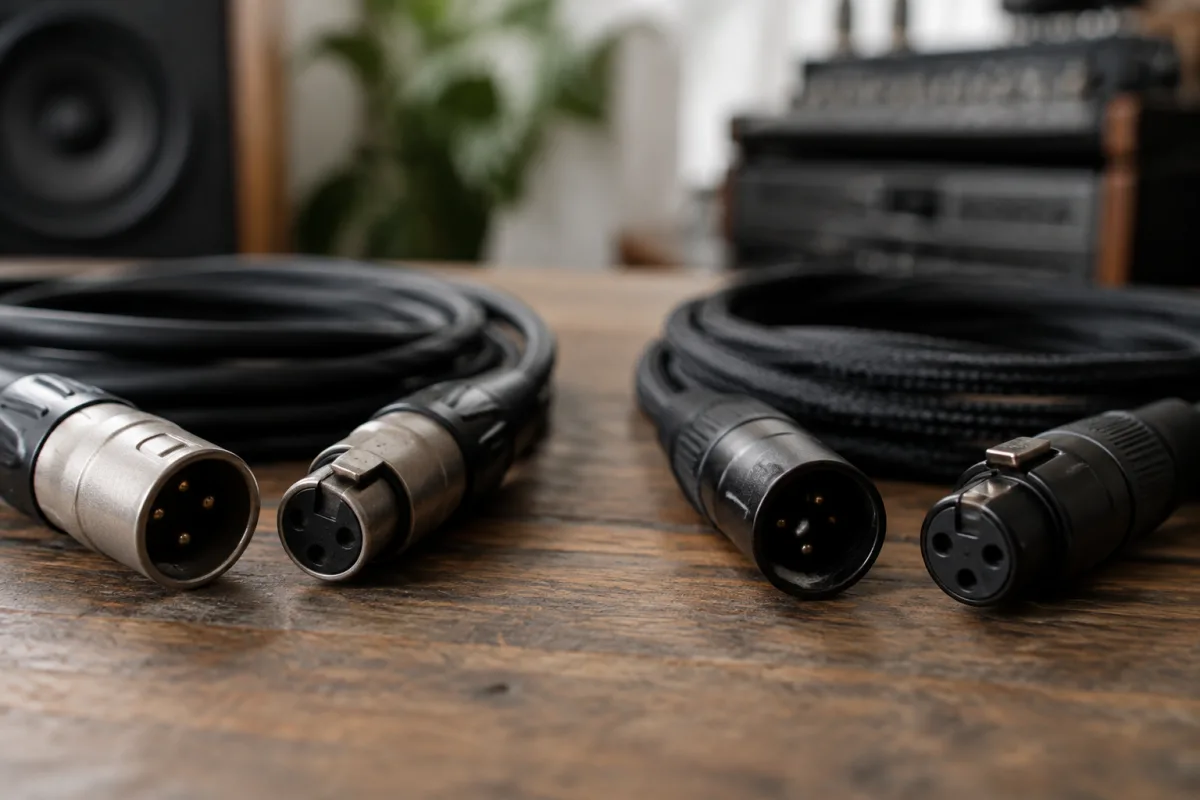
When shopping for audio cables, the sheer variety can feel overwhelming. Whether you're setting up your first home studio, connecting stage equipment, or upgrading your rig, knowing what to look for makes all the difference between wasting money and getting genuine value. This guide cuts through the marketing noise to show you how to evaluate cables and choose the right ones for your needs and budget.
What Matters Most When Buying Audio Cables
Not all audio cables are created equal, but that doesn't mean you need to spend a fortune. The key is matching the cable's quality and price to its actual use. A pristine studio recording setup demands different considerations than cables used occasionally at weekend rehearsals.
Start by identifying your core requirements. Are you recording vocals in a quiet home studio, where cable noise matters enormously? Are you running cables across a noisy stage floor at a venue? Will the cables get heavy use or sit permanently in one place? These questions directly influence which specifications matter most to your purchase decision.
Core Cable Specifications to Compare
When evaluating audio cables, focus on these practical considerations:
| Specification | What It Affects | Budget Tier | Premium Tier |
|---|---|---|---|
| Shielding | Noise rejection, RF interference | Single layer, 80% coverage | Double shielded, 95%+ coverage |
| Conductor Material | Signal clarity, durability | Copper-clad steel | Oxygen-free copper (OFC) |
| Jacket Material | Physical durability, flexibility | PVC | Polyethylene or hybrid |
| Connectors | Reliability, longevity | Nickel-plated brass | Gold-plated, precision-machined |
| Capacitance | High-frequency response | Higher (some brightness loss) | Lower (clearer highs) |
Connector Types and Your Application
Before buying, verify your equipment's connectors. XLR (three-pin professional) suits studio recording and stage work. TS and TRS (1/4-inch phone jacks) dominate instruments and amps. RCA (phono) connectors work for consumer audio. Mini-jack connectors appear on portable devices. Getting the wrong connector type means a cable that simply won't fit—a costly oversight when buying online without checking equipment specs.
Check both ends. Sometimes you need XLR to 1/4-inch, or adapters cause additional signal loss and points of failure. When possible, buy the exact connector combination you need rather than relying on adapters.
Noise Considerations in Different Environments
Cable noise becomes critical in quiet recording environments. In a treated home studio recording lead vocals, even subtle noise matters. A cheap cable with inadequate shielding may pick up RF interference from mobile phones, WiFi routers, or nearby power sources, polluting your recording.
Conversely, at a loud rock concert, nobody will hear minor noise floor differences. Here, durability and reliability matter more than absolutely pristine shielding. You want cables that survive being coiled, stepped on, and jammed into tight spaces night after night.
Industrial environments with heavy machinery or high-frequency equipment demand superior shielding. If your studio sits near manufacturing facilities or electrical infrastructure, invest in properly shielded cables upfront rather than troubleshooting mysterious noise problems later.
Length Considerations and Loss
Longer cables introduce measurable signal degradation. High-frequency information suffers first as capacitance accumulates over distance. For microphone recording, keep cables under 20 metres. For line-level signals in studios, 10 metres is safer. At stage venues, longer runs are inevitable—just accept that occasionally you'll need runs of 30+ metres and choose cables with heavier gauge conductors for these distances.
Buying a 10-metre cable because it's cheaper than a 5-metre one rarely saves money if you only need a 5-metre run. It introduces unnecessary signal loss, takes up space, and creates a tangled mess on your floor.
Cable Gauge and Durability
Thicker cables with larger gauge conductors offer lower resistance and better handling of demanding applications. Microphone cables running through bustling studios benefit from heavier gauge. Stage cables for bass guitars or high-current applications demand it. Desktop headphone cables can be thinner and lighter.
The outer jacket thickness also signals durability. Professional cables meant for touring use thicker, more durable materials that withstand repeated flexing. Home studio cables can be thinner and more flexible since they won't be coiled and uncoiled hundreds of times.
Budget Tiers and Value Propositions
Budget Cables (under £5): Acceptable for occasional home use, quick testing, or backup leads. Connectors often fail first. Shielding is minimal. Expect a lifespan of 1-2 years with light use. Buy these only when you genuinely don't care about losing them.
Mid-Range Cables (£5-£15): The sweet spot for most musicians. Proper shielding handles home studio and rehearsal environments. Connectors last reliably. These cables form the backbone of working rigs and professional studios. You're paying for consistency and durability, not exotic materials.
Premium Cables (£15-£50+): Worthwhile if you're recording critically in quiet studios, or running challenging distances. Superior connectors resist wear. Heavy shielding handles RF-noisy environments. Consider buying premium for your most important runs—the cable between your mic and preamp, or your bass and amp—whilst using mid-range elsewhere.
Common Buying Mistakes to Avoid
Don't assume "more expensive equals better for my needs." A £40 cable isn't inherently better than a £10 cable at a loud rock gig where durability matters more than noise floor. Conversely, skimping on shielding for a quiet studio setup wastes money by creating problems you'll later try to solve with expensive plugins.
Avoid buying cables in bulk without testing. What works for your bandmate might introduce strange artifacts in your recording chain. Buy a couple and confirm they work in your actual environment before committing to a full cable loom.
Don't ignore connector quality. Cables fail at connectors far more often than in the body. Cheap connectors corrode, produce intermittent connections, or damage equipment inputs over time. This hidden cost exceeds the small upfront savings.
Never assume cable length won't matter. Too many people discover signal loss problems only after permanently installing cables through walls or conduit. Plan your cable runs carefully, measure twice, buy once.
Testing Before Commitment
If buying online, verify the return policy. Reputable cable makers often offer 30-day trials or money-back guarantees because they're confident in their product. If a seller won't accept returns on cables, that itself signals quality concerns.
For expensive cable runs (especially custom lengths or unusual connector combinations), request samples or check independent reviews from similar professional environments. A 5-metre custom cable is harder to return than a standard 2-metre one if it doesn't work.
Building a Sensible Cable Collection
Rather than buying randomly, think systemically. Identify your three most critical signal paths—the ones where noise and reliability matter most—and invest in solid mid-range or premium cables there. Use decent budget options for everything else. This balanced approach delivers the reliability you need without wasteful spending.
Keep spares of your most common lengths. When a cable fails mid-session (and it will), having a quick backup prevents cancellations and frustration. A spare 2-metre and 5-metre mid-range cable costs little and solves recurring problems.
Getting Started
Start with your specific use case. Measure your cable runs. Identify your connector types. Then check reviews from people using cables in similar environments to yours. A cable perfect for studio recording might be overkill for occasional bedroom practice, or might have inadequate durability for touring.
For more comprehensive information about different cable types and their technical properties, explore our complete guide to audio cable types, which covers the full spectrum of options available.
Buy thoughtfully, test practically, and you'll spend money once solving real problems rather than repeatedly replacing failures or chasing mysterious audio issues. Good cables disappear into your setup—you stop thinking about them because they simply work.


Comments