
Amp Head Guitar article
The Complete Guide to Amp Head Guitar
An amp head guitar drives your tone. Learn about tube power, wattage ratings, and selecting the ideal amplifier for your playing style.
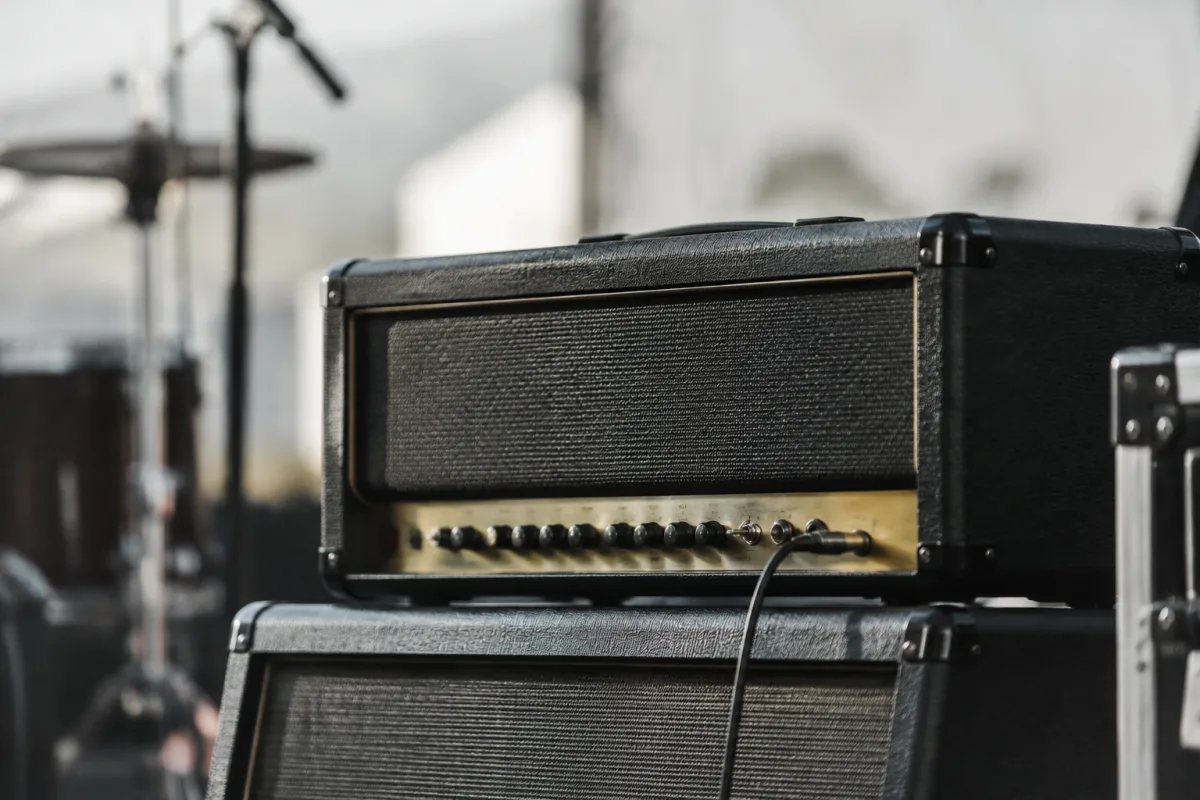
An amp head guitar is the driving force behind countless iconic guitar tones. Whether you're establishing your first rig or upgrading your amp head guitar for more power and tone, understanding what makes these units special is essential for serious musicians.
What Is an Amp Head Guitar?
An amp head guitar is the amplifier unit containing preamp and power amp sections, delivering signal to a separate speaker cabinet. Unlike combo amplifiers combining head and speakers, an amp head guitar offers flexibility—swap cabinets, adjust power output, and scale your rig as needs evolve. The amp head guitar forms the tonal core of your setup.
Tube versus Solid-State Amp Head Guitar
Tube amp head guitar models employ vacuum tubes for warmth and natural compression; they're legendary in rock, blues, and metal. Solid-state amp head guitar options offer reliability, lighter weight, and consistency. Hybrid designs blend both for compromise between character and dependability.
Power Ratings
An amp head guitar rated at 20 watts delivers surprising volume suitable for gigging; 50+ watts powers larger venues and festivals. Home players often prefer low-wattage amp head guitar (under 20W) for manageable volumes at full saturation.
Key Features
Quality amp head guitar units include:
- Gain and master controls — Shape breakup and overall volume.
- Tone stack — EQ sections for frequency shaping.
- Effects loop — Integrate external processors seamlessly.
- Headphone output — Silent practice capability.
- DI output — Direct connection to mixing consoles or audio interfaces.
Tone Shaping with Amp Head Guitar
Your amp head guitar's preamp is where tone originates. Gain structure and tube complement determine breakup character. Power amp headroom influences how dynamics respond. Matching amp head guitar characteristics to your playing style dramatically impacts results.
Cabinet Pairing
Your amp head guitar sounds only as good as its cabinet. Speaker size, type, and quantity affect tone dramatically. A 1×12 cabinet sounds bright and punchy; larger stacks deliver weight and projection. Experimenting with amp head guitar and cabinet combinations is rewarding.
Gigging and Portability
Many amp head guitar enthusiasts prefer the flexibility of separate components. Lightweight combos eliminate head/cabinet debates, but amp head guitar rigs allow swapping components. A compact amp head guitar with a flight case makes touring feasible.
Conclusion
Your amp head guitar choice fundamentally shapes your sonic identity. Whether tube or solid-state, low or high wattage, selecting an amp head guitar that matches your playing context, genre, and aesthetics transforms your instrument from a guitar alone into a complete, professional voice.
Frequently Asked Questions
Q: What wattage amp head guitar do I need?
A: Home use: 5–20W; gigging: 50W+; outdoor venues: 100W+.
Q: Are tube amps more expensive?
A: Generally yes. Tubes require regular replacement and maintenance.
Q: Can I use any cabinet with my amp head guitar?
A: Match impedance; otherwise, almost any cabinet works with your amp head guitar.
Q: What's headroom in an amp head guitar?
A: The distance between volume and breakup; more headroom means cleaner tone at high levels.
Q: Do expensive amp head guitar models sound better?
A: Subjectively yes, but affordable models deliver excellent tone nowadays.
Q: Should I buy combo or amp head guitar?
A: Combo convenience vs amp head guitar flexibility; personal preference dictates choice.
Q: How do I maintain my amp head guitar?
A: Regular tube replacement (if applicable), proper ventilation, careful handling.
Q: Can an amp head guitar get stolen?
A: Yes. Always transport in road cases and never leave unattended.


Comments