


Amp Cables article
Amp Cables for Beginners: A Complete Guide
Understand amp cables for your first amplifier setup. Learn cable types, quality features, proper connections and common mistakes to avoid.
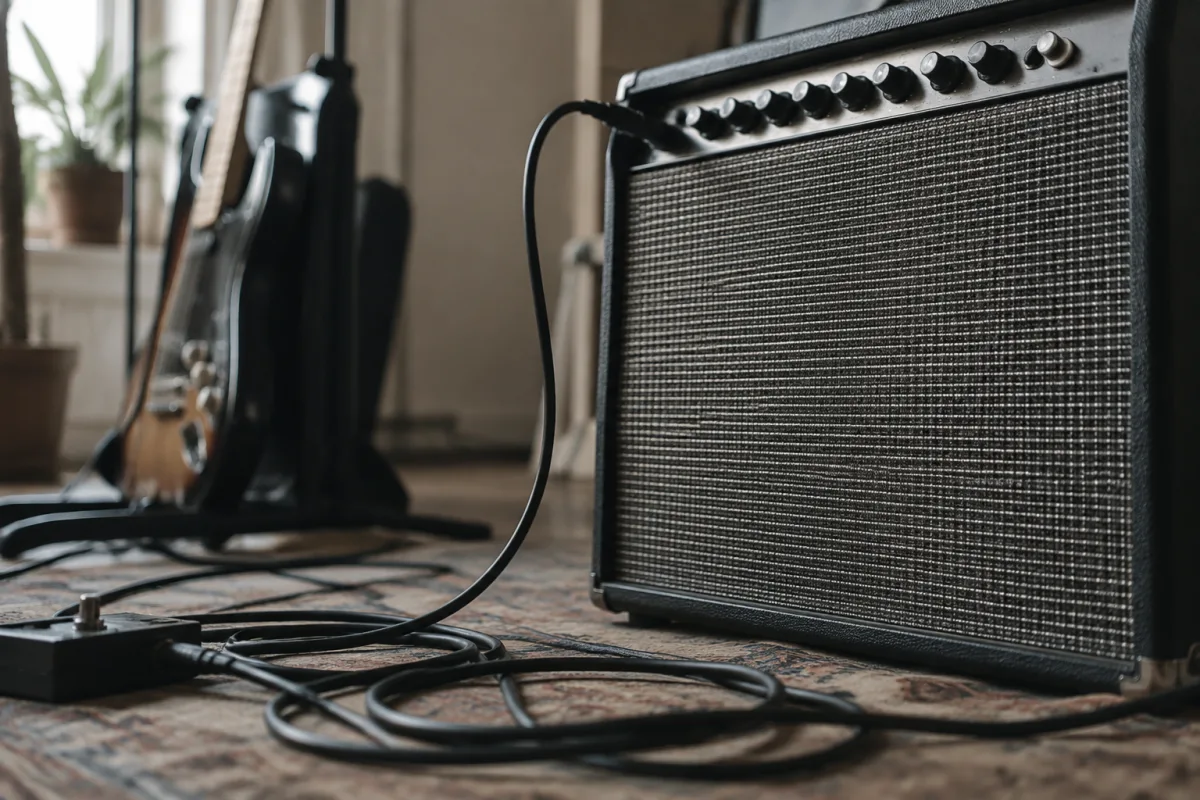
Setting up your first guitar amplifier setup might feel technically confusing, particularly when considering amp cables and their seemingly bewildering variety. However, understanding amp cables remains simpler than many beginners expect, and learning cable fundamentals ensures proper system operation and reliable performance. This beginner's guide demystifies amp cables, explains essential concepts, and helps nervous first-time users establish confident, trouble-free connections.
What Amp Cables Do and Why They Matter
Amp cables transmit audio signals from guitars or effects units to amplifiers, ensuring sound reaches your speakers reliably. Poor quality amp cables introduce unwanted noise, signal degradation, or intermittent connection failure—frustrating problems that discourage practice. Understanding basic amp cable construction and selection prevents these issues whilst building confidence in your setup.
The seemingly endless amp cable options reflect genuine differences in shielding, connector durability, and signal integrity. Beginning musicians needn't understand all technical details, but recognising what distinguishes reliable amp cables from problematic alternatives prevents false economy decisions that compromise performance.
Understanding Basic Amp Cable Types
| Cable Type | Standard Length | Best For | Typical Cost |
|---|---|---|---|
| Guitar/instrument cables | 3-7 metres | Guitar to effects or amp | £3-10 per cable |
| Amp power cables | 1-2 metres | Amp to electrical outlet | £2-8 per cable |
| Speaker cables | 2-5 metres | Amp to speaker cabinet | £5-15 per cable |
| Instrument to amp cables | 5-10 metres | Stage performances, distance setup | £5-15 per cable |
Each amp cable type serves distinct purposes requiring specific construction. Confusing cable types or substituting inappropriate alternatives causes system malfunction or potential equipment damage. Learning the differences prevents frustrating setup problems.
Essential Amp Cable Features for Beginners
Shielding protects amp cables from electrical interference creating unwanted noise or signal degradation. Quality instrument cables employ multiple layers of shielding preventing interference. Budget amp cables often lack adequate shielding, producing audible hum or buzzing particularly over longer distances.
Connector quality fundamentally impacts reliability and longevity. Quality connectors resist corrosion and maintain reliable electrical contact through repeated use. Budget amp cables frequently feature corroded or loose connectors creating intermittent connection failures—maddening problems that disappear and reappear unpredictably.
Cable jacket material affects durability and handling comfort. Quality amp cables use tough synthetic coverings resistant to damage from stepping on, pinching, or repeated flexing. Cheap amp cables employ thin plastic easily torn, exposing internal conductors to moisture and damage.
Getting Started: Your First Connections
Begin with understanding your equipment connections. Most guitar amp setups require: an instrument cable from guitar to amp input, an amp power cable connecting the amplifier to electrical outlets, and potentially a speaker cable (if your amp and speakers are separate). Identify these connection points before purchasing amp cables.
The standard instrument cable features two 1/4-inch jack connectors—one for your guitar output, one for amplifier input. Amp power cables employ standard electrical connectors. Speaker cables usually feature large connectors designed specifically for speaker connections.
When connecting amp cables, insert connectors firmly but without excessive force. Connections should feel solid without wiggling. Loose amp cables produce intermittent sound cutting out unexpectedly—a frustrating problem suggesting a bad cable when actually only connection tightening is needed.
Common Beginner Mistakes with Amp Cables
Substituting inappropriate amp cable types ranks as the most serious beginner error. Using speaker cables for instrument connections or vice versa compromises audio quality or potentially damages equipment. Match amp cable types to their intended purpose explicitly.
Coiling amp cables too tightly damages internal conductors, creating intermittent failures that worsen over time. Coil cables loosely in large loops, avoiding sharp kinks that strain internal wires. Store coiled amp cables carefully, protecting them from excessive heat or weight that compounds kinking damage.
Neglecting connector care invites corrosion and poor connections. Occasionally clean connector tips with a soft, dry cloth removing dust and corrosion. Store amp cables in protective cases rather than loose piles attracting dirt and moisture.
Assuming all amp cables perform identically encourages excessive cost-cutting. Whilst professional-grade cables exceed beginner needs, excessively cheap alternatives introduce unwanted noise and reliability problems. Moderate-cost amp cables from reputable brands deliver excellent value for developing musicians.
Troubleshooting Common Amp Cable Issues
Buzzing or hum sounds indicate shielding failure or ground loop problems. Try different amp cable routing—moving cables away from electrical wires or repositioning connections sometimes eliminates interference. If problems persist, upgrade to better shielded amp cables.
Intermittent sound cutting in and out suggests loose connections or failing connectors. Firmly reseat amp cables in both ends. If problems continue, try different amp cables—if sound becomes reliable, your original cable likely has connector problems.
No sound at all usually indicates completely failed amp cable. Verify power to your amplifier first (many beginners forget this obvious check). If power is confirmed working but no sound emerges, try different amp cables systematically isolating the problem.
Building Your Cable Collection
Beginners needn't purchase expensive amp cables initially. Quality moderate-cost options (£5-10 per cable) from established brands deliver excellent reliability and sound quality. Invest in adequate shielding and connector quality rather than premium professional-grade cable. As your experience grows, particular needs may suggest upgrading to specialised amp cables.
Maintain at least one spare instrument cable—amp cable failures happen at inconvenient moments during performances or practice sessions. Having a backup prevents interruption whilst original cables receive repair or replacement.
Setting Up Your First Amplifier
When establishing your first amplifier setup, follow these amp cable connection steps: power off the amplifier, connect your instrument to the amp input cable, connect the amp output to speakers or internal speakers (depending on your setup), connect the power cable to electrical outlets. Only then power on the amplifier and verify sound operation.
Never connect or disconnect amp cables whilst amplifiers are powered on—potential damage to equipment or hearing can result. Always power off before making any cable changes or adjustments.
For deeper context on amplifier systems and connections, explore the complete guide to amp cables.
Conclusion
Understanding amp cables transforms what initially seems complex into straightforward practice. By learning basic cable types, recognising quality features, and establishing proper connection practices, you'll establish reliable amplifier systems supporting confident playing. Quality amp cables need not be expensive—moderate-cost options from reputable brands deliver excellent reliability and sound quality supporting years of musical practice and performance. As your skills develop, your personal amp cable preferences will evolve, but these fundamental principles remain the foundation for reliable, trouble-free amplifier operation.


Comments