


80s Synth article
The Complete Guide to 80S Synth
The 1980s synthesizer defined an era. Discover iconic models, synthesis techniques and how to capture authentic 80s synth tone today.
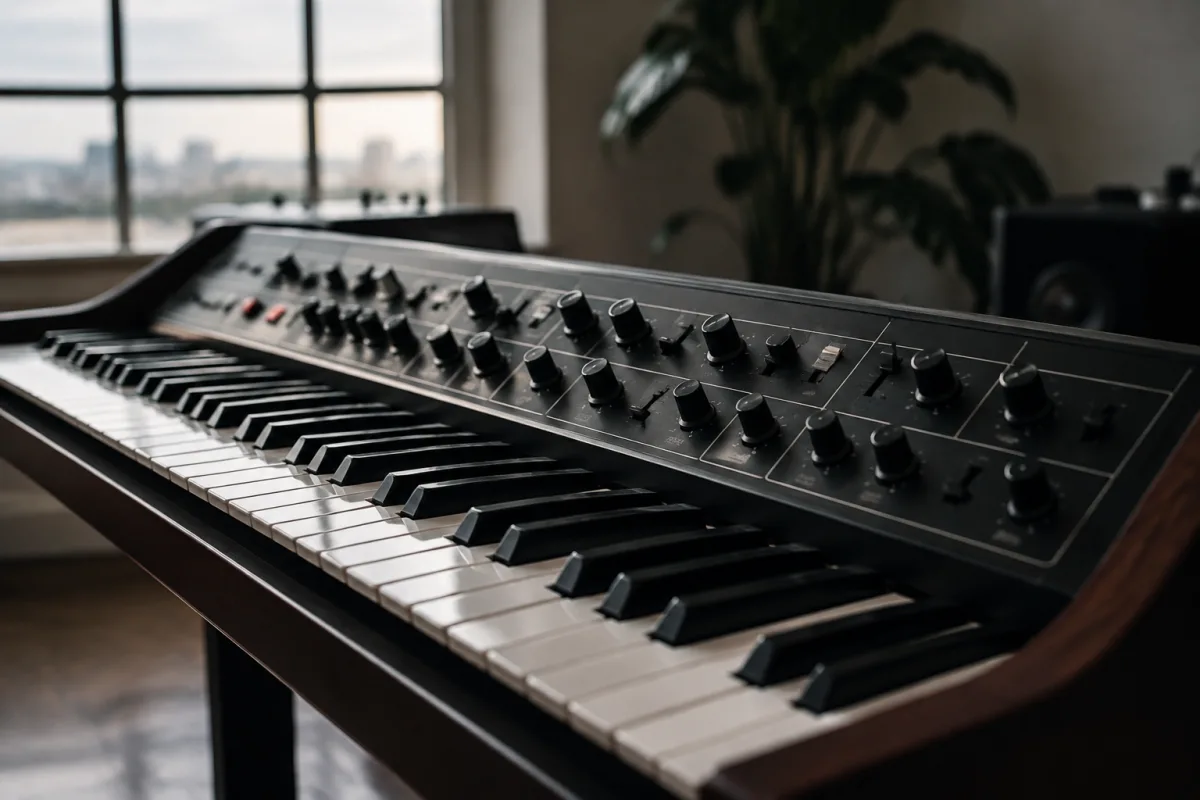
The 1980s synthesizer—a sound synonymous with an entire decade—shaped popular music in ways few instruments have. From the lush string pads underpinning new wave compositions to the piercing leads defining synth-pop hits, 1980s synth technology created the sonic landscape of MTV, emerging genres and endless innovation. Understanding 1980s synthesizer culture, iconic instruments and sonic signatures helps contemporary musicians appreciate and capture the essence of this transformative era.
The 1980s as the Synthesizer Decade
By the 1980s, synthesizer technology had matured sufficiently to become accessible beyond pioneering avant-garde experimenters. Prices dropped gradually, digital synthesis emerged alongside analogue designs, and synthesizers became essential rather than exotic in rock, pop, new wave and electronic music. The decade witnessed synthesizers evolving from novelty instruments to primary performance and recording tools.
The 1980s saw tremendous innovation—preset technology allowing musicians to save and recall synth settings, MIDI connectivity enabling synthesizers to communicate with other instruments, and increasingly sophisticated sound-shaping capabilities. These advances democratised synthesis, enabling musicians without engineering expertise to shape extraordinary sounds.
Iconic Synthesizers of the 1980s
Several synthesiser models defined the 1980s sonic landscape. The Yamaha DX7, introduced in 1983, became the most successful synthesizer ever manufactured. Its digital FM synthesis delivered bell tones, glassy electric pianos and distinctive metallic sounds that appeared on countless 1980s recordings. The DX7's affordability relative to earlier synthesizers made digital synthesis accessible to working musicians.
The Moog Minimoog remained relevant throughout the 1980s despite its early 1970s design, proving that innovative synthesis could work outside digital domains. The Prophet-5 continued evolving, delivering lush polysynth sounds essential to new wave and synth-pop production. The Korg Polysix offered another accessible polysynth option, delivering bright, cutting sounds perfect for rhythmic synthesizer work.
The Fairlight CMI brought sampling into synthesis, enabling musicians to record and manipulate real-world sounds integrated into synth patches. This bridge between sampling and synthesis created unprecedented sound-design possibilities, influencing everything from pop production to film composition.
Sonic Characteristics of 1980s Synthesis
The 1980s synthesizer sound is immediately recognisable—lush, shimmering, often electronic in character yet surprisingly warm and musical. String pad sounds created by layering oscillators became ubiquitous, providing harmonic foundation for countless recordings. Analogue synthesizers offered smooth, continuous tone that digital designs initially struggled to achieve, yet digital synthesis created unique timbres impossible through traditional analogue means.
The decade embraced electronic processing unabashedly. Rather than mimicking acoustic instruments, 1980s synthesis celebrated electronic tone as valid and desirable. Chorus, reverb and digital delays transformed basic synth sounds into atmospheric washes. Heavy compression shaped lead synthesizer lines into punchy, present tones cutting through dense arrangements.
Synthesis Technology Advances
The 1980s witnessed the transition from purely analogue to hybrid and digital synthesis. Analogue synthesizers remained preferred for warm, continuous tone, but digital synthesis offered programmability, stability and novel sound-design possibilities. The crossover period saw both technologies coexisting, with discerning musicians choosing based on specific needs.
MIDI connectivity, standardised in the mid-1980s, transformed synthesis workflow. Musicians could now trigger synthesizers from keyboards, drum machines and sequencers, enabling complex arrangements and real-time performance possibilities previously limited to labour-intensive tape-based composition.
1980s Synthesis in Popular Music
Synth-pop emerged as perhaps the decade's most synthesizer-dependent genre. New Order, Depeche Mode, Human League and Pet Shop Boys built entire compositions around synthesizer textures and electronic production. These artists transformed the synthesizer from novelty to essential instrument, proving electronic instruments could carry emotional weight and popular appeal.
Power ballads incorporated layered synth strings alongside acoustic instruments. Rock and pop arranged increasingly depended on synthesizer pads, rhythm programming and electronic enhancements. By the decade's end, finding a major recording without synthesizer contribution was nearly impossible.
Capturing 1980s Synthesizer Tones Today
Contemporary musicians seeking authentic 1980s synthesis tone face a choice. Original synthesizers remain available through the vintage market, though reliability and maintenance present challenges. Reproduction models and newly manufactured units in classic designs offer reliability with authentic construction philosophy.
Software synthesizers provide affordable access to 1980s synthesis characteristics. Digital emulations capture distinctive FM synthesis, sampler-based synthesis and classic analogue topologies. Whilst digital recreations can't perfectly replicate vintage hardware, modern plugin technology delivers surprisingly convincing results.
Hybrid approaches combine vintage instruments with contemporary technology—using original synthesizers as sound sources whilst managing performance and recording through modern DAWs and controllers. This approach offers authentic tone with practical contemporary workflow.
The Legacy of 1980s Synthesis
The 1980s proved synthesizers weren't passing fad but fundamental instruments shaping music's future. Electronic production techniques established during the 1980s remain standard practice. The decade's aesthetic—from lush string pads to glittering digital effects—continues influencing contemporary production across genres.
Contemporary pop, electronic and hip-hop production owes enormous debt to 1980s synthesis innovation. Whilst technology has moved beyond those specific instruments, the sonic DNA remains present—the preference for rich, heavily processed textures; the embrace of electronic tones as valid and desirable; the integration of digital and analogue sound-shaping techniques.
Conclusion: The Sound of an Era
The 1980s synthesizer represents more than historical curiosity—it embodies a transformative moment when electronic instruments became essential to popular music. Whether you're seeking to recreate authentic 1980s tones or simply understand the decade's musical landscape, exploring 1980s synthesis offers insight into how technology and creativity combine to shape culture. The decade's distinctive synth sounds endure because they worked—they moved people, sounded beautiful and enabled artistic expression in ways acoustic-only approaches could not achieve.


Comments