


1x12 Combo Amp Buying guide
1X12 Combo Amp: A Complete Buyer's Guide
Shopping for a 1x12 combo amp? Learn how to evaluate tube vs. solid-state, understand speaker quality and find the ideal 1x12 combo amp for gigging or practice.
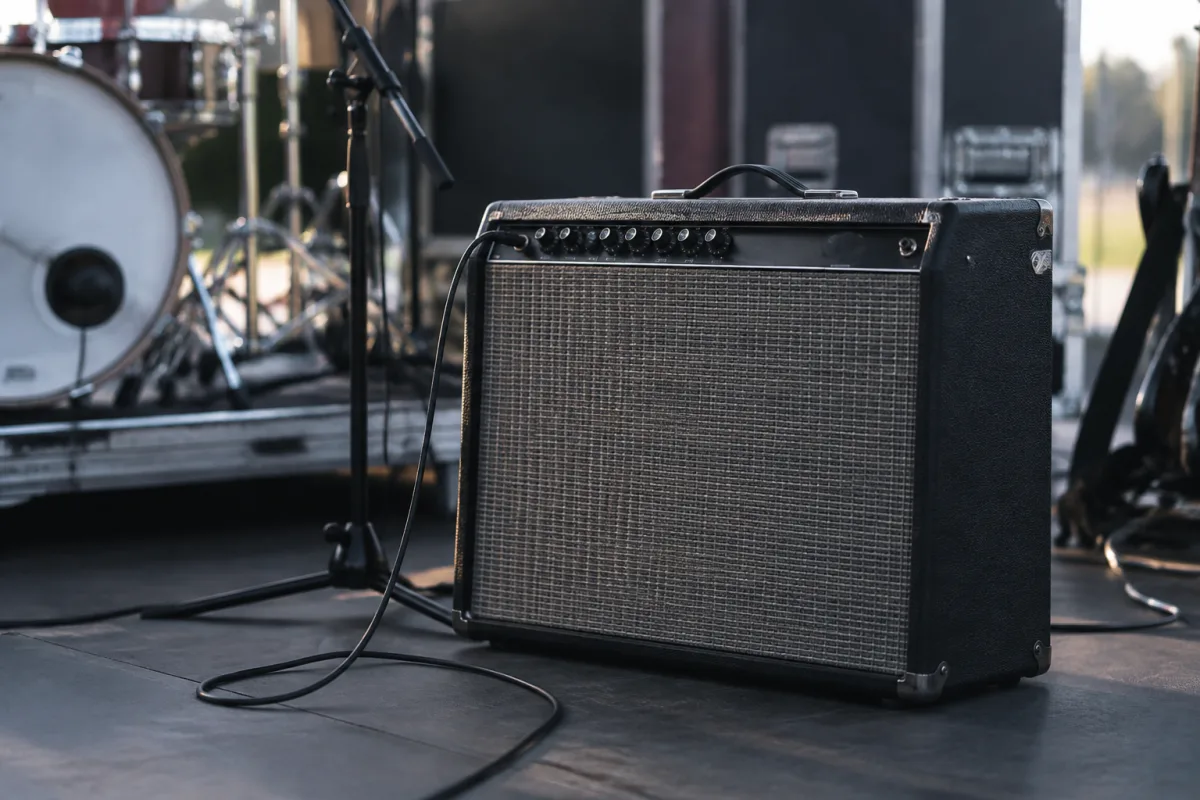
Buying a 1x12 Combo Amp: Complete Buyer's Selection Guide
If you're shopping for a 1x12 combo amp, you're looking at a format that balances portability with enough power for gigging and serious practice. But finding the right model means understanding what separates an excellent 1x12 combo amp from an mediocre one. This buyer's guide walks you through the specifications, quality markers and price points that matter when investing in a 1x12 combo amp.
Understanding the 1x12 Combo Amp Format
A 1x12 combo amp is a self-contained unit combining amplifier, speaker and controls in one cabinet, with a single 12-inch speaker. The format offers several advantages: portable enough for frequent transport, loud enough for small to medium gigs, and powerful enough for serious bedroom practice. When shopping for a 1x12 combo amp, you're looking at a sweet spot for working musicians who need flexibility.
Power Rating: What Output Wattage Actually Matters
When evaluating a 1x12 combo amp, power output ranges from 15 to 100 watts depending on model. Wattage doesn't mean loudness linearly — a 50-watt 1x12 combo amp isn't twice as loud as a 25-watt model. Volume perception is logarithmic.
For gigging, a 1x12 combo amp in the 20–50 watt range is genuinely sufficient for small venues, bars and mid-sized venues, especially with solid-state or hybrid designs that project efficiently. Tube 1x12 combo amps in the 15–20 watt range can gig effectively in tight venues. High-wattage 1x12 combo amps (75+ watts) are overkill for most players and unnecessary for bedroom practice.
The practical advice: when shopping for a 1x12 combo amp, don't fixate on wattage. Test the specific model through your anticipated venues' typical sound systems. A 20-watt 1x12 combo amp with tight tone and efficient speaker can out-project a poorly designed 50-watt model.
Amplifier Technology: Tube vs. Solid-State vs. Hybrid 1x12 Combo Amps
Tube 1x12 Combo Amps
Tube-based 1x12 combo amps deliver warm, organic tone with natural breakup and harmonic richness. They're favoured by blues, classic rock and many alternative players. Downsides: heavier than solid-state, require maintenance (tube replacement), generate heat. Price premium reflects the desirable tone but also maintenance costs.
Solid-State 1x12 Combo Amps
Solid-state 1x12 combo amps are lighter, more affordable and require no maintenance. Tone is clean and punchy but can feel slightly clinical or thin to some ears. Modern solid-state designs sound substantially better than 1980s–1990s versions, narrowing the tone gap. For metal, modern rock and genres where clarity matters, solid-state 1x12 combo amps excel.
Hybrid 1x12 Combo Amps
Hybrid 1x12 combo amps combine a tube preamp with solid-state power amp. They capture some tube warmth while maintaining solid-state efficiency and affordability. A practical middle ground, hybrid 1x12 combo amps are increasingly popular because they offer tone character without extreme maintenance or weight penalties.
Speaker Quality: The Most Underestimated Factor
When shopping for a 1x12 combo amp, the speaker matters profoundly — arguably more than the amplifier itself. A 1x12 combo amp with a quality 12-inch speaker will sound substantially better than an identical amp with a budget speaker.
Check whether your chosen 1x12 combo amp has a named speaker (like Celestion, Jensen, Eminence). These companies make high-quality drivers. Unnamed "generic" speakers in budget 1x12 combo amps often sound thin and harsh. When evaluating 1x12 combo amps, research the specific speaker model if possible.
For gigging use, a 1x12 combo amp should have a speaker rated at least 50 watts; for bedroom practice, 30 watts suffices. Speaker sensitivity (measured in dB) also matters — higher sensitivity (96+ dB) means higher output volume at the same amplifier power.
1x12 Combo Amp Model Categories and Price Points
| Tier | Price Range (GBP) | Power (Watts) | Typical Characteristics | Best For |
|---|---|---|---|---|
| Entry-Level | £150–300 | 15–30 | Solid-state, basic controls, single 12-inch speaker, suitable for practice and small venues | Beginners, bedroom players, first 1x12 combo amp purchase |
| Mid-Range | £300–700 | 30–50 | Hybrid or tube options, refined tone controls, quality speaker, suitable for gigging | Semi-professional musicians, regular gigging bands, serious recording |
| Premium | £700–1,500 | 40–75 | High-quality tube design, refined preamp, premium speaker, stage-ready reliability | Professional touring musicians, session players, tone-obsessive players |
| Signature / Limited | £1,500+ | Variable | Artist collaboration, hand-built components, rare specifications, collector status | Professional endorsement tier, collectors, very specific tone requirements |
Key Specifications to Compare When Shopping for 1x12 Combo Amps
Tone Controls and Flexibility
Basic 1x12 combo amps have minimal controls (volume, tone). Better models add separate treble/mid/bass controls, tone stacks or switchable channels (clean and dirty). For gigs, channel switching capability is valuable — you can switch between rhythm and lead tones instantly. When evaluating 1x12 combo amps, decide whether this flexibility matters for your gigging style.
Output Options
Quality 1x12 combo amps include a line-out or XLR output, enabling you to send signal to a mixing console or recording interface without miking the speaker. This is genuinely useful for professional work. When comparing 1x12 combo amps, this feature adds real value.
Effects Loop
Some 1x12 combo amps include effects loops (auxiliary inputs/outputs) where you can insert external effects pedals in the signal chain. This is advanced but useful for players who want sophisticated effect routing. Entry-level 1x12 combo amps rarely have this; mid-range and premium models increasingly do.
Portability and Weight
1x12 combo amps range from 20 kg to 35+ kg depending on design. If you're transporting your amp regularly to gigs, weight matters. Solid-state 1x12 combo amps are generally lighter; tube models heavier. Test portability before committing.
What to Listen For When Testing a 1x12 Combo Amp
Clean Tone Transparency: Play clean chord passages. A good 1x12 combo amp clarifies every string distinctly without muddiness. Cheap 1x12 combo amps often blur notes together.
Breakup Character: Play with gain increased. How does the 1x12 combo amp transition from clean to driven? Does it feel smooth and musical or hard and digital? Your tone preference matters.
Midrange Presence: Vocals and rhythm guitars sit in the midrange. A good 1x12 combo amp emphasises midrange presence so your playing cuts through a band mix. Thin 1x12 combo amps lack midrange presence and sound weak in band contexts.
Speaker Responsiveness: Play dynamics — soft and loud — into your chosen 1x12 combo amp. Does the speaker respond transparently or compress and fatigue? Quality speakers respond dynamically; cheap speakers sound the same regardless.
Common Mistakes When Buying a 1x12 Combo Amp
Don't buy based on wattage alone. A well-designed 20-watt 1x12 combo amp sounds louder and more professional than a poorly designed 50-watt model. Test the specific model, not the specs.
Avoid overlooking the speaker quality. Many players focus on amplifier components and ignore the 12-inch speaker, which is actually the tone-determining component. Research the speaker before committing.
Don't purchase a 1x12 combo amp without testing it through your guitar and effects chain. Tone at the showroom may sound different through your specific setup at home. Request a trial period if possible.
Resist buying the most powerful 1x12 combo amp thinking you'll "grow into it." Excessive wattage is wasted in most scenarios. A properly chosen model matches your gigging environment and doesn't demand constant volume reduction.
Popular 1x12 Combo Amp Recommendations by Type
Tube: Fender Deluxe Reverb Reissue (classic, reliable), Marshall 1987x (punchy, iconic).
Solid-State: Roland JC-22 (clean, effects-rich), Boss Katana-50 (modern, versatile).
Hybrid: Blackstar Studio-20 (refined tone, great for recording).
Making Your Final Decision
Start by prioritising: gigging or bedroom practice? Tone character preference (warm tube tone vs. clean solid-state punch)? Budget ceiling? Once you've narrowed those parameters, test multiple 1x12 combo amps in person, through your guitar and effects. Trust your ear — the right 1x12 combo amp will feel intuitive and exciting to play. That's the one to choose.


Comments