


1 4 Audio Jack article
1 4 Audio Jack for Beginners: A Complete Guide
A 1/4 inch audio jack is just a connector—simpler than it looks. This guide walks you through plugging in your guitar, connecting to your amp, and using audio cables confidently from day one.
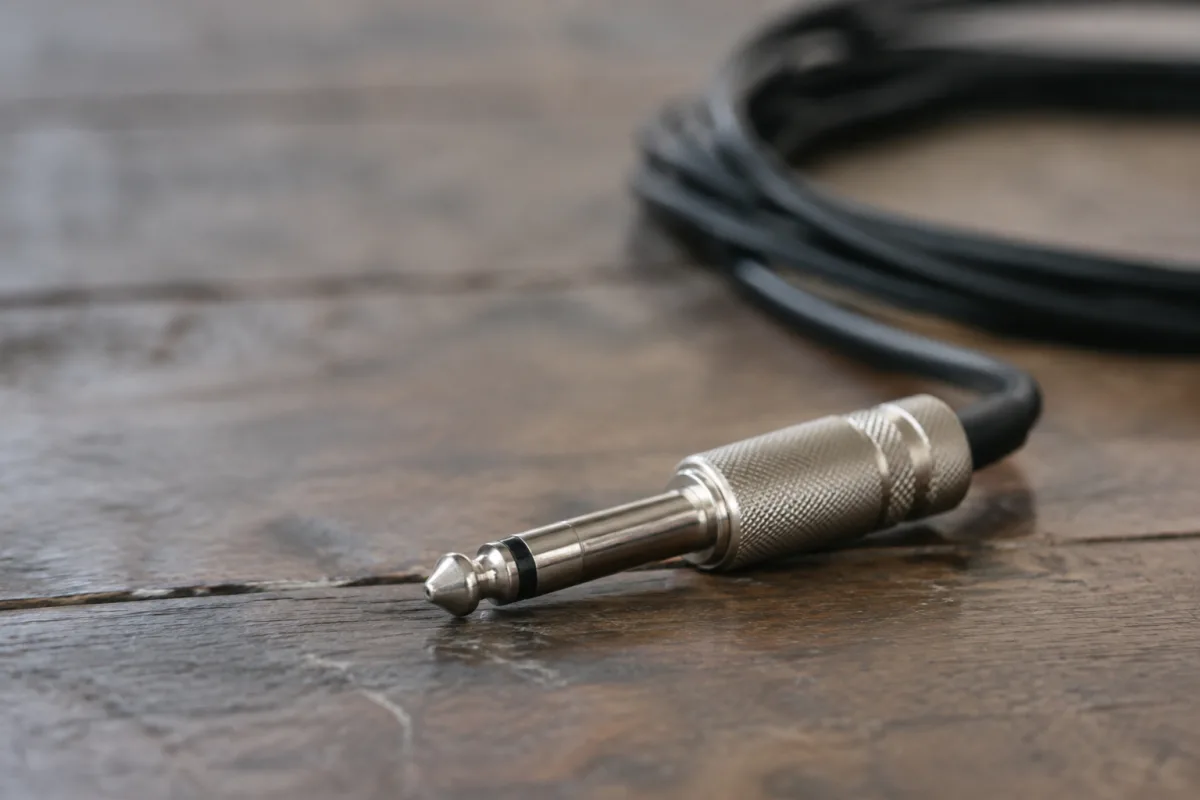
If you've just picked up a guitar or you're setting up your first amplifier, you've probably encountered a 1/4" audio jack and wondered what it does. Don't worry—it's simpler than it looks. A 1/4 inch audio jack is just a connector that plugs your guitar into your amp, your effects pedal into your amp, or your microphone into a mixing desk. This beginner's guide walks you through everything you need to know to use a 1/4 audio jack with confidence, without the jargon or fear.
What's a 1/4 Audio Jack, Really?
A 1/4 inch audio jack is a metal connector that carries sound from one piece of equipment to another. Think of it like the power plug on a kettle—except instead of electricity, it carries audio signal. You don't need to understand how it works technically. You just need to know: plug the cable into your guitar, plug the other end into your amp, and sound comes out. That's it.
The name "1/4 inch" comes from the jack's physical diameter (6.35 mm). You don't need to remember this. When you go to a music shop and ask for a 1/4 inch audio jack cable, everyone will know exactly what you mean. Visit our complete guide to 1/4 audio jacks if you want to understand the technical details. This guide is just about using a 1/4 inch audio jack safely and confidently in your first weeks of playing.
The Most Common Cable: Instrument Cable
What It Looks Like
An instrument cable is straight and simple. It has a 1/4 inch audio jack on each end—one plug on the left side, one on the right side. The cable is usually 3–7 metres long. You'll see them in every music shop in the world. Most are black, but they come in every colour imaginable.
What It's For
This is your guitar-to-amp connection. Plug the 1/4 audio jack on one end into your guitar, and the 1/4 inch audio jack on the other end into your amplifier's "input". Sound comes out of the amp. That's what it's for.
Cost
A decent instrument cable costs £5–£15. Cheap ones (under £5) fall apart after a few months. Expensive ones (£30+) are overkill unless you're touring. Buy a £10 cable and it will last years.
Your First Session with a 1/4 Inch Audio Jack: The Simplest Path
Step 1: Locate the Input on Your Amp
Find your amplifier. On the front or back, you'll see a socket that says "input" or "guitar input". This socket is where a 1/4 audio jack plugs in. It looks like a small round hole. Don't be scared of it—there's no hidden complexity.
Step 2: Get Your Instrument Cable
Find a 1/4 inch audio jack instrument cable. You need one that connects your guitar to your amp. It will have a 1/4 inch audio jack plug on each end. If you don't have one, borrow one from a mate or buy one from a music shop for a tenner.
Step 3: Plug In Your Guitar
Take one end of the instrument cable (it doesn't matter which end) and plug the 1/4 inch audio jack into your guitar's output. You'll hear a small click. Don't worry—that's just the click of the jack connecting. There's no force needed. Just line it up and gently push it in.
Step 4: Plug Into Your Amp
Take the other end of the instrument cable and plug the 1/4 inch audio jack into your amp's input socket. Another small click. You're done. Now turn your amp on and play a note. You should hear sound.
Step 5: Adjust Volume
If the sound is too quiet, turn up the volume knob on your amp. If it's too loud or distorted, turn it down. That's all—you've successfully used a 1/4 inch audio jack and connected your guitar to an amplifier.
Common First-Timer Mistakes (and How to Avoid Them)
- Plugging the cable into the wrong socket. Amplifiers have multiple sockets. Some are for input (where you plug your guitar in), and some are for output (for connecting to speakers). Look for the one marked "guitar input" or just "input". If you plug into the wrong socket, no sound will come out. Don't panic—just try the other socket.
- Not pushing the 1/4 inch audio jack all the way in. The connector slides into the socket until it clicks. If you don't push it far enough, you'll get crackling sound or no sound. Push gently until you feel the click. It should be snug and not wobble.
- Buying the wrong type of 1/4 inch audio jack cable. There are speaker cables (thicker, for connecting amps to speakers) and instrument cables (thinner, for connecting guitars to amps). They look similar but they're not interchangeable. Always buy an "instrument cable"—that's what you need for your guitar and effects pedals.
- Assuming a loose connection is normal. If your 1/4 inch audio jack feels loose or wobbly after plugging it in, it's not connected properly. Unplug it and try again. A properly connected 1/4 audio jack should be snug and feel solid.
- Pulling too hard when you unplug. When you're done, gently twist and pull the cable to unplug it from the 1/4 inch audio jack socket. Don't yank. A gentle wiggle and pull will unplug it without damaging the jack.
- Ignoring a crackling sound. If you hear crackling or popping when you play, the 1/4 inch audio jack connection might be loose or dirty. Unplug the cable, wiggle it a bit to clean the connection, and plug it back in. If it still crackles, try a different cable. A loose connection is the number-one cause of crackling in home setups.
Cable Care: Keep Your 1/4 Inch Audio Jack Connection Happy
Coil It Gently
When you're not using your instrument cable, coil it loosely. Don't wrap it too tightly around your hand or it damages the internal wires. A loose coil, held together with a velcro strap, lasts much longer than a kinked-up cable.
Keep It Dry
Don't leave your 1/4 inch audio jack cable in damp places. Moisture gets inside the connector and causes crackling. Store it in a dry bag or pouch when you're not using it.
Don't Step On It
A cable under foot gets damaged quickly. Route your 1/4 audio jack cables away from where you walk. Use cable management clips or tape to keep them safe.
Replace It When It Goes Bad
A cable lasts for years if you're gentle with it. But eventually, the internal wires fray or the 1/4 inch audio jack connections loosen up. When your cable starts crackling no matter what you do, it's time to replace it. Don't try to fix it—buy a new one for a tenner.
Questions You Might Be Asking
Is a 1/4 Inch Audio Jack the Same as XLR?
No. A 1/4 inch audio jack is round. An XLR is a three-pin connector that looks different. For connecting your guitar to an amp, you need 1/4 inch audio jack, not XLR. Microphones often use XLR. Check your equipment before you buy a cable.
Can I Use a Really Long Cable?
Yes, within reason. A 10-metre 1/4 inch audio jack cable works fine for a home studio. A 30-metre cable is pushing it—you might get a slight decrease in sound quality. For most people, stick with 3–7 metres.
Does the Brand of Cable Matter?
For a beginner, not really. A £10 cable from any music shop is fine. Professional touring musicians swear by specific expensive brands, but that's because they're on stage every night and need bulletproof durability. A home player doesn't need that.
What If My 1/4 Inch Audio Jack Socket Is Loose?
Sometimes the socket itself (the hole on your amp or guitar) gets loose or damaged. If your 1/4 inch audio jack cable keeps falling out, the socket might need repair. This is beyond beginner troubleshooting—take your guitar or amp to a music shop and they'll fix it cheaply.
You're Ready
That's honestly all you need to know about a 1/4 inch audio jack to get started. Get a cable, plug one end into your guitar and one into your amp, turn up the volume and play. After a few weeks of using a 1/4 audio jack cable, it will feel completely natural—you won't think about it at all. You'll be focused on making music, not worrying about the gear.


Comments