


Nylon String Acoustic Guitar article
The Complete Guide to Nylon String Acoustic Guitar
Nylon string acoustic guitars deliver warm, rich tone and gentle playability preferred by classical and fingerstyle musicians. These instruments offer expressive capability unavailable on steel-string acoustics, making them ideal for solo performance and intimate musical contexts.
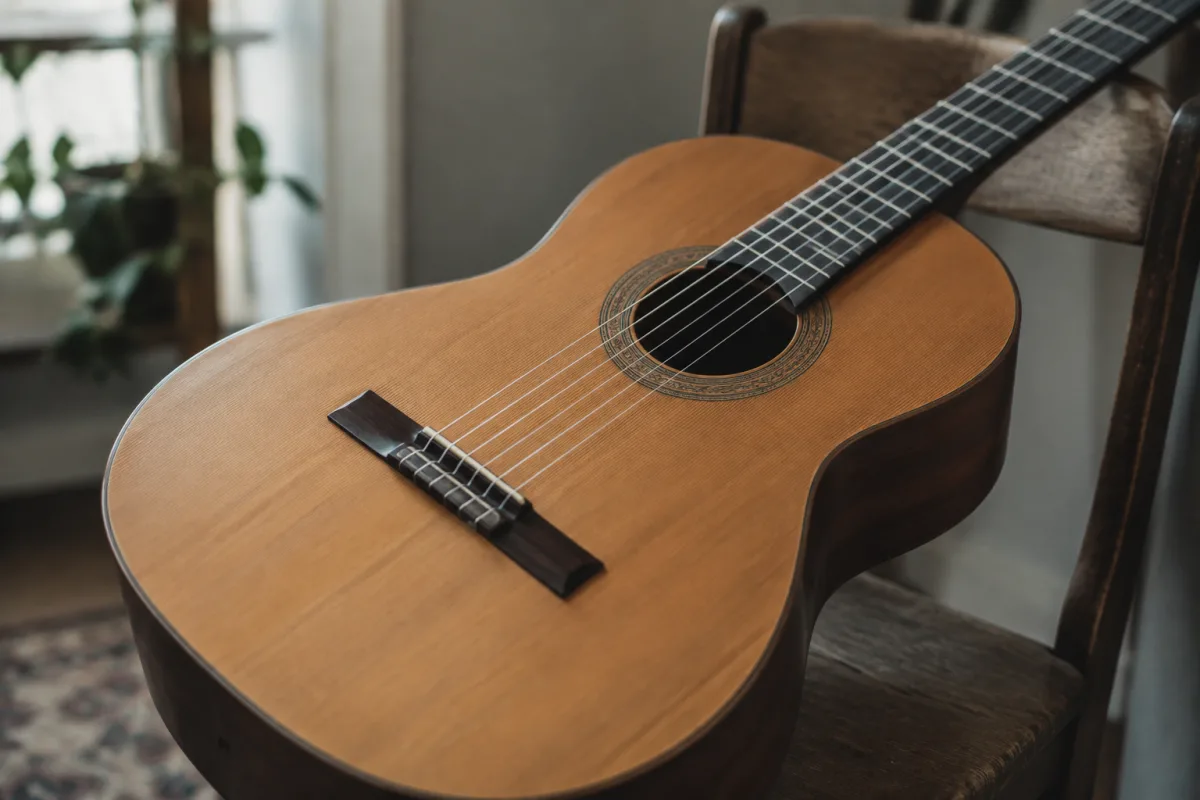
A nylon string acoustic guitar represents the classical instrument choice, producing warm, mellow tone distinctly different from steel-string acoustics. These instruments remain the preference for classical, flamenco and fingerstyle players, valued for their gentle action, rich harmonic complexity and the responsive nature that only nylon strings provide.
Understanding Nylon String Acoustics
A nylon string acoustic guitar differs fundamentally from its steel-string counterpart. The three treble strings consist of nylon filament, whilst the three bass strings employ nylon wrapped with bronze or silver wire. This construction produces inherent warmth and sustain, with each note decaying into harmonics valued by classical musicians.
The softer string material requires less tension for proper pitch, permitting lower action—the distance between strings and fingerboard. This gentle setup suits fingerstyle technique, reducing finger fatigue during extended playing sessions. Steel-string guitars, by contrast, demand higher string tension and greater finger pressure to produce consistent tone.
Tone Characteristics and Sonic Qualities
Nylon string acoustic guitars produce tone characterised by warmth, sweetness and harmonic richness. The instruments excel at subtle dynamics and tonal colour—professional players coax remarkable variety from a single note through technique and string striking position. This expressive capability appeals to classical performers seeking nuanced musical expression.
Unlike steel-string guitars that cut through ensemble situations with bright, penetrating tone, nylon acoustics blend smoothly. This suits solo performance, chamber ensemble work and intimate settings. The warm tone suits warm musical contexts—romantic era compositions, Spanish music, Brazilian styles and fingerstyle interpretations.
Body Styles and Construction
Most nylon string acoustic guitars follow a relatively consistent body template—the classical guitar shape with curves designed for acoustic resonance and comfortable seating. The slightly larger body compared to many steel-string models contributes to the warmer, fuller tone associated with classical instruments.
Construction methodology emphasises lightweight, resonant materials. Quality classical guitars employ select Sitka spruce or European spruce tops, with Brazilian rosewood or Indian rosewood back and sides. These choices, whilst expensive, provide the tonal responsiveness and projection valued in concert instruments.
Strings and Maintenance Considerations
Nylon strings require more frequent replacement than their steel counterparts, with quality strings lasting 3-6 months of regular playing before tonal degradation becomes noticeable. This regular maintenance cost is offset by the reduced finger fatigue compared to steel strings and the gentler playing experience.
Humidity management matters significantly for nylon string acoustic guitars. The instruments are sensitive to environmental moisture changes, which affects string tension, action height and tonal stability. Maintaining humidity levels between 45-55 percent preserves optimal performance and prevents structural issues.
Playability and Action Setup
The lower action typical on nylon string acoustics suits fingerstyle technique particularly well. Players can press strings with minimal force, enabling rapid, fluid finger movement essential for classical technique. The softer strings also reduce the callus-building challenge faced by steel-string players, making nylon acoustics more approachable for beginners developing finger strength.
However, this same low action requires meticulous setup and maintenance—even minor neck adjustments significantly impact playability. A quality luthier's expertise ensures optimal action height for individual players and playing styles.
Beginner Considerations
Nylon string acoustic guitars offer compelling advantages for classical beginners. The gentle action and soft strings cause less finger pain during the early learning phase. This comfort factor encourages practice and development, making classical guitars ideal gateway instruments for young players.
However, classical guitar technique differs from steel-string approaches—beginners benefit from proper instruction in hand position, finger strikes and tonal control. The fingerstyle technique required differs significantly from popular plectrum-based playing.
Comparison: Classical vs. Steel-String Acoustics
Nylon and steel-string acoustics serve different musical purposes. Steel-strings produce bright, cutting tone suitable for strumming and ensemble playing. Classical guitars deliver warmth and harmonic complexity ideal for solo fingerstyle work. The musical genre and playing style determines the appropriate choice—attempting flamenco on a steel-string guitar or rock rhythms on a classical instrument yields compromised results.
Many serious players own both, selecting the instrument matching their immediate musical intent.
Professional and Concert Instruments
The highest tier of nylon string acoustics represents pinnacles of guitar manufacturing artistry. Concert-grade classical guitars by renowned luthiers command prices exceeding £5,000, sometimes reaching £10,000 or more. These instruments employ aged tonewoods, hand-selected materials and construction methodology refined across decades.
Professional players often own several instruments—a robust practice guitar, a reliable performance instrument and a prized concert guitar reserved for recordings and important performances.
Finding the Right Nylon String Acoustic Guitar
Selecting an appropriate nylon string acoustic guitar requires careful listening and hands-on evaluation. Tonal preferences vary considerably among classical musicians—some prefer bright, punchy tone; others seek warm, mellow character. Budget, playing style and intended use influence the choice significantly.
Working with a knowledgeable guitar retailer or luthier ensures finding an instrument matching both your tonal preferences and technical requirements.
Conclusion
A nylon string acoustic guitar remains the classical musician's instrument of choice, valued for warm tone, gentle playing experience and expressive capability. Whether approaching classical training, exploring fingerstyle composition or seeking a warm-sounding alternative to steel-string acoustics, the nylon-strung guitar offers a path into rich musical traditions spanning centuries. The instrument's gentle nature and harmonic complexity reward careful, thoughtful playing with musical possibilities unavailable on any other acoustic guitar type.



Comments