


Ibanez Semi Acoustic Guitar Buying guide
Ibanez Semi Acoustic Guitar: A Complete Buyer's Guide
Ibanez semi-acoustic guitars offer acoustic resonance and amplified versatility in one instrument. Learn how to choose the right model.
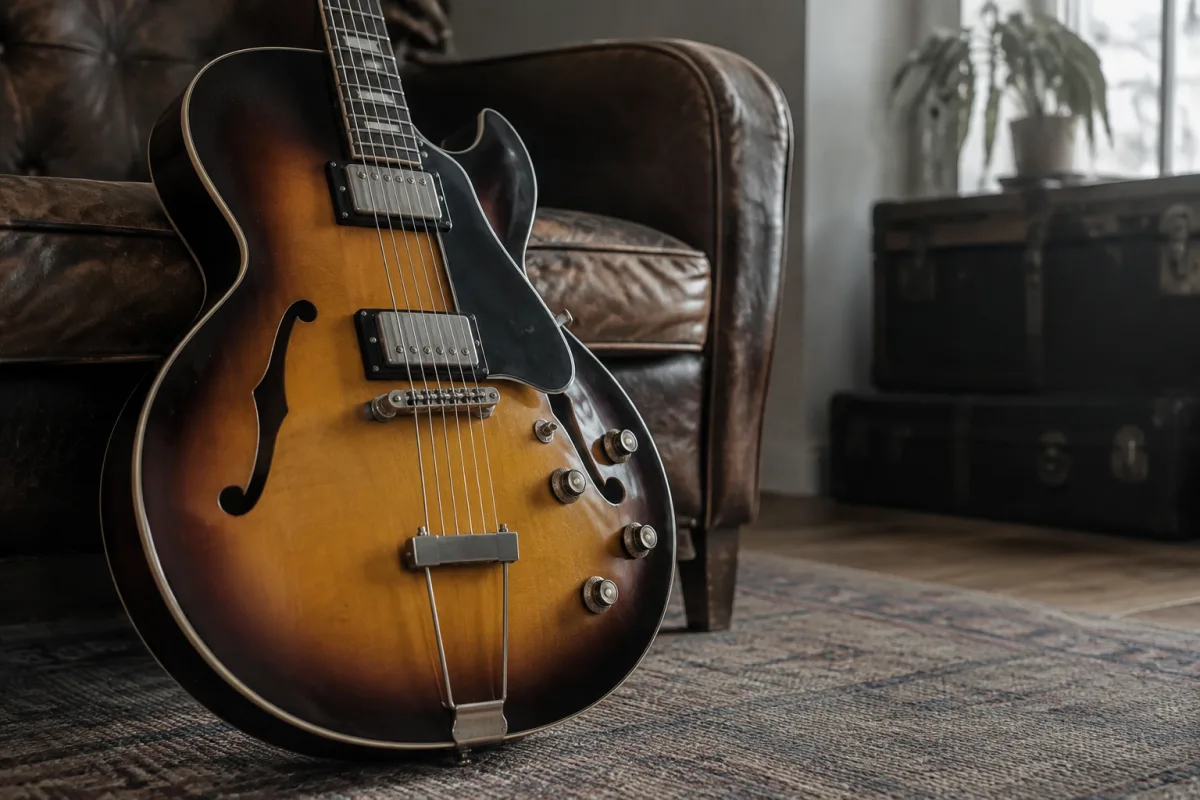
Ibanez semi-acoustic guitars occupy a practical middle ground between full-bodied electric guitars and acoustics. Buying an Ibanez semi-acoustic means choosing an instrument that's genuinely versatile: comfortable plugged in and unplugged, loud enough to play without amplification, and refined through decades of Ibanez design refinement. Understanding what sets semi-acoustics apart—and what to evaluate when choosing an Ibanez model—helps you find one that matches your playing style and budget.
What Defines a Semi-Acoustic Guitar
A semi-acoustic (also called semi-hollow) guitar has a partially hollow body: there's a chamber inside, but unlike a full-bodied acoustic, a solid block runs down the middle of the body. This design reduces feedback when amplified (a problem with fully hollow guitars at high volumes) whilst retaining acoustic resonance. The result is an instrument that sounds good unplugged—more acoustic than a solid electric—but remains manageable through amplification. Ibanez semi-acoustics typically feature dual humbuckers, making them warm and articulate for blues, jazz, rock, and experimental playing.
Ibanez's Design Philosophy
Ibanez is known for playability and precision: fast, thin necks; refined fretwork; and meticulous hardware. Their semi-acoustic line (Artcore series particularly) applies this philosophy to the semi-hollow format. Entry-level Ibanez semi-acoustics cost £150–£300 and play noticeably better than competing brands at similar prices. You're getting instrument-making expertise, not just a name on the headstock. The necks feel fast and responsive, the frets are consistently crowned, and the hardware works reliably.
Body Style and Comfort
Ibanez semi-acoustics typically feature a rounded, symmetrical body smaller than an acoustic dreadnought but larger than a solid electric. This size is genuinely comfortable: you get the acoustic's resonance without the bulk or weight. The body sits comfortably on your lap when sitting and doesn't feel oversized when standing. Waist curves are pronounced (similar to guitars inspired by jazz tradition), offering good upper-body support and making navigation to high frets easier. If you're transitioning from a solid electric, an Ibanez semi-acoustic feels natural and approachable.
Pickup Configuration and Tonal Range
Most Ibanez semi-acoustics use dual humbuckers in traditional positions (neck and bridge). Humbuckers produce warm, focused tones ideal for blues and jazz. Some models offer coil-tap switches (allowing you to split humbuckers into single-coil mode for brighter sounds). This pickup flexibility lets you explore different tones without buying multiple guitars. The semi-hollow body adds natural resonance, so even through a quiet amp, the guitar sounds rich and full rather than electronically thin.
Neck and Fretboard Specifications
Ibanez necks are typically fast and comfortable: slim but not uncomfortably narrow, with a moderate fretboard radius that balances playability across strings with precision for individual notes. Most Ibanez semi-acoustics use medium-jumbo frets (tall enough to reduce finger pressure but not so tall they feel alien). Fret work on even entry-level Ibanez models is typically precise—you won't feel sharp fret ends or uneven crowning. This quality makes learning smoother and less frustrating.
Most Ibanez semi-acoustics have a set neck (glued to the body) rather than bolt-on. Set necks are structurally rigid and offer superior tonal transfer but are harder to adjust if needed. For a beginner, this is fine; set necks rarely need adjustment if the guitar was well-built to begin with.
Hardware and Construction Quality
Ibanez uses solid hardware on even budget semi-acoustics: reliable tuning machines, a sturdy bridge, and quality electronics. The semi-hollow body is typically well-braced internally to prevent resonance issues. Paint finish is durable and protects the wood. These aren't luxury materials, but they're chosen for reliability. A £200 Ibanez semi-acoustic is built more carefully than guitars costing twice as much from budget brands.
Acoustic Resonance vs. Amplified Tone
Unplugged, an Ibanez semi-acoustic projects decently—loud enough to practise without annoyance, quieter than a full acoustic (convenient for apartment playing). Plugged in, the same guitar sounds warm and articulate through even a modest amp. This versatility is genuinely useful: you can play acoustically when convenient and amplified when performing. The tone evolves significantly based on amp choice, which is part of the appeal—you're not locked into a single sonic character.
Price Tiers and Value Propositions
Entry-level Ibanez semi-acoustics (£150–£300) offer excellent value: solid construction, reliable hardware, and playable necks. Mid-range models (£300–£600) add refinement: better pickups, more precise fretwork, and more tonal options. Premium models (£600+) approach professional-grade quality with premium materials and meticulous craftsmanship. For most learners and casual players, entry-level Ibanez semi-acoustics provide better value than budget alternatives. Upgrading beyond mid-range is worthwhile only if you're gigging professionally or demanding specific tonal characters that premium models offer.
Determining Your Needs: Electric vs. Semi-Acoustic
Choose a semi-acoustic if you want acoustic resonance and unplugged playability alongside amplified versatility. Choose a solid electric if you're primarily playing through an amp and want lighter weight and maximum feedback control. Choose an acoustic if you want maximum volume and traditional tone. Ibanez semi-acoustics excel for players who move between styles and want one instrument serving multiple contexts.
Testing and Hands-On Evaluation
When evaluating an Ibanez semi-acoustic, test it both plugged and unplugged. Play it sitting and standing. Check that the neck feels comfortable and the frets are clean. Listen to how it projects acoustically and how it sounds through an amp. Try different pick weights and striking techniques. An Ibanez semi-acoustic should feel immediately playable, not requiring weeks of adjustment. Trust your first impressions; a good fit feels natural quickly.
For a comprehensive overview of what semi-acoustic guitars are and their design principles, see the complete guide to Ibanez semi-acoustic guitar. When buying an Ibanez semi-acoustic, prioritise how it feels and sounds to your ear over specifications; the build quality means most models in your budget range will perform reliably.
Frequently Asked Questions
Should I buy an Ibanez semi-acoustic or a solid electric?
Semi-acoustic if you want acoustic resonance and unplugged playability. Solid electric if you play primarily through an amp, prefer lighter weight, or want maximum feedback control at high volumes. Semi-acoustics are more versatile; solid electrics are simpler and lighter.
Can I play rock and metal on an Ibanez semi-acoustic?
Yes, absolutely. The warm humbucker tone suits blues and jazz but handles rock, metal, and alternative styles equally well. The semi-hollow body adds sustain and resonance that some rock players prefer over solid-body guitars. Genre versatility is actually one of the format's strengths.
Do I need an amplifier to play an Ibanez semi-acoustic?
No, you can play unplugged. The guitar projects reasonably well acoustically. However, a modest practice amp (£50–£150) dramatically enhances the playing experience, revealing tones and dynamics that unplugged play masks. If budgeting, an amp is worth prioritising alongside the guitar.
How much does a beginner Ibanez semi-acoustic cost?
Entry-level models start around £150–£250. Used models often appear at £100–£200, offering excellent value. This is mid-range pricing for guitars; more than budget alternatives but less than premium instruments. The value proposition is strong.
What's the difference between Ibanez Artcore and other Ibanez semi-acoustics?
Artcore is Ibanez's primary semi-acoustic series, balancing quality and affordability. Other series exist but Artcore is the most accessible for beginners. Within Artcore, different models vary in size, pickup configuration, and finish; all share the Ibanez design philosophy of playability and precision.
Will a semi-acoustic sustain feedback if I play loudly through an amp?
Less than a fully hollow guitar, but more than a solid electric. At moderate volumes, feedback is minimal. At high volumes on stage, you might experience some feedback if not careful with positioning and amp settings. This is normal for the format and manageable with experience.


Comments