


Martin 12 String Guitar Buying guide
Martin 12 String Guitar: A Complete Buyer's Guide
Choosing the right Martin 12-string requires understanding construction materials, body sizes, wood quality, and your own playing needs. This buying guide cuts through the marketing and focuses on what genuinely matters.
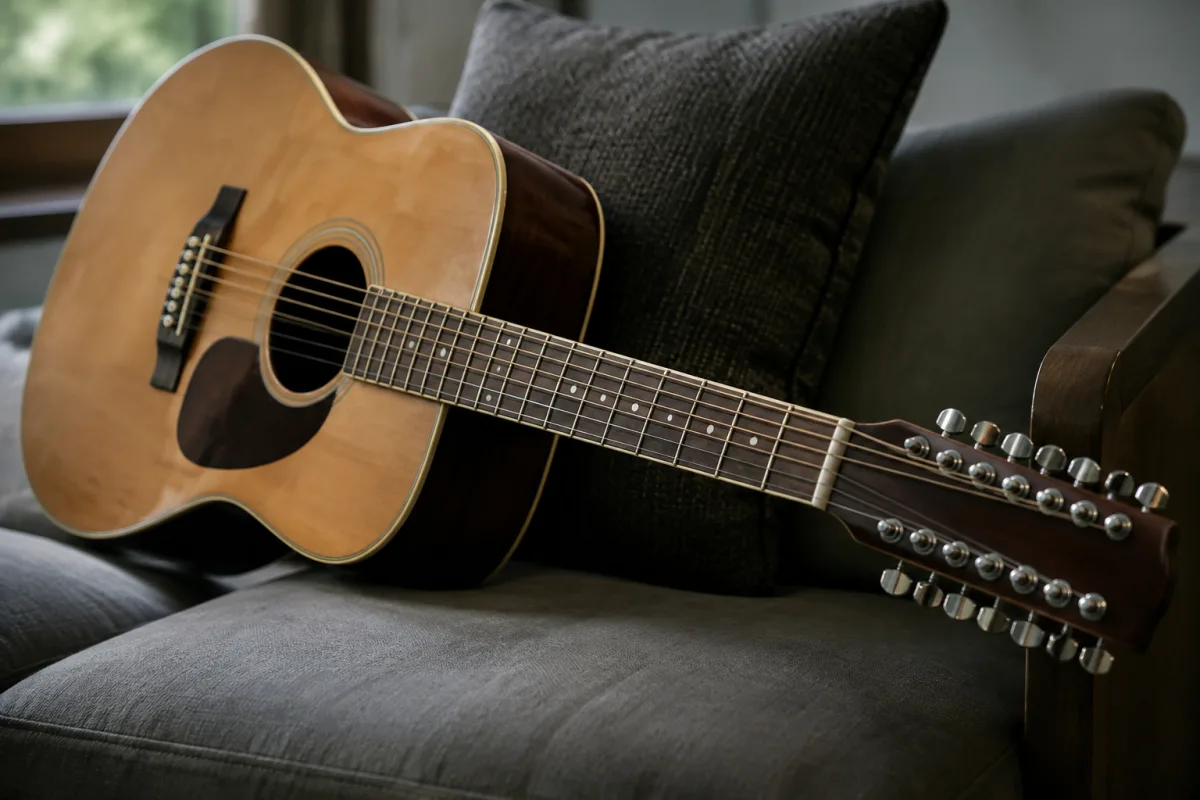
If you’re in the market for a Martin 12-string guitar, you’re considering one of the most revered names in acoustic instrument building. But choosing the right one requires more than brand loyalty — it demands understanding construction materials, body sizes, wood quality, and your own playing needs. This buying guide cuts through the marketing and focuses on what genuinely matters when selecting an instrument that will serve you well for years to come. Whether you’re upgrading from a budget model or stepping into premium territory, knowing how to evaluate such an instrument makes all the difference.
Understanding Martin 12-String Models and Price Tiers
When choosing a Martin 12-string guitar, understanding the price-tier lineup is essential. Martin’s 12-string range spans several price brackets, each representing a distinct quality jump and intended player. The budget-conscious D12X1AE and similar models occupy the £600–£900 range, offering solid construction and Sitka spruce tops with laminated backs and sides. Mid-range instruments — the D12-28 and similar — run £1,500–£2,500 and feature solid hardwood construction throughout. Premium models like the D12-45 or custom shop offerings start at £3,000+ and use premium tonewoods, hand-selected materials, and meticulous craftsmanship.
The price jump between tiers isn’t arbitrary. It reflects wood selection, finish quality, hardware precision, and the time craftspeople invest. A £1,200 model plays differently than a £3,500 one — not necessarily better for a beginner, but with more tonal complexity and projection. Budget instruments deliver solid value for learning; investment-grade models reward decades of playing.
Wood Selection: The Foundation of Tone and Durability
Martin 12-strings are offered with several top-wood choices, each carrying real tonal and maintenance implications.
- Sitka Spruce — Martin’s classic choice. Bright, responsive, ages beautifully, and plays well in both new and vintage models. It is the safe choice for most players seeking traditional 12-string voice.
- Mahogany top — Darker, warmer tone. Sits between spruce and non-traditional materials. Fewer options available but prized by players seeking a mellower character.
- Rosewood back and sides — Indian rosewood (now restricted due to CITES regulations) appears only in vintage and high-end current models. Offers rich, complex tone and exceptional durability. Newer models use East Indian or other alternatives.
- Sapele or Meranti — Budget-friendly alternatives to rosewood. Provide a warmer midrange but less complexity and projection than true rosewood.
- Laminated backs and sides — Common on affordable models. Stable, resistant to humidity, but offer less tonal depth and fewer high-end overtones than solid wood.
For any 12-string, solid wood back and sides matter more than on 6-strings because the extra string tension demands maximum resonance. If you’re considering entry-level models, solid tops are non-negotiable; laminated tops muddy the brightness and defeat a Martin 12-string guitar’s core appeal.
Body Size and Playing Comfort
Martin 12-strings come in dreadnought, grand auditorium, and OOO sizes. Size dramatically affects both volume and playability.
| Size | Volume | Playability | Best For |
|---|---|---|---|
| OOO | Lower, focused | Easier fretting; smaller reach | Studio recording, fingerstyle, players with smaller hands |
| Grand Auditorium | Balanced projection | Comfortable; good reach | Gigging musicians, versatile repertoire |
| Dreadnought | Maximum volume | Larger neck spacing; demanding on the hand | Strummers, ensemble playing, open venues |
Every 12-string guitar’s double courses create considerably more tension than a 6-string dreadnought. If you have arthritis, shorter fingers, or prefer fingerstyle playing, test the instrument in grand auditorium or OOO size before committing to a dreadnought. Body size is one of the most critical buying decisions you’ll make when choosing this type of instrument.
Hardware and Tuning Stability
The 12-string requires robust hardware to manage extreme neck stress. Check these details before buying:
- Tuning machines — Martin uses sealed die-cast or premium open-gear models depending on price tier. Sealed machines are smoother; open-gear machines allow for aesthetics and vintage feel but demand more maintenance. Either should hold pitch reliably, but sealed machines from newer models rarely slip.
- Bridge and bridge pins — Ensure the bridge is properly angled to reduce break-angle stress. Martin’s standard bridges are engineered for the load; avoid aftermarket modifications without consultation.
- Neck reinforcement — Modern Martins use dual-action truss rods to counteract the increased neck pull. Inspect the neck for relief (slight forward bow) using a straightedge before purchase. A twisted or back-bowed neck signals trouble.
- Nut and saddle material — Bone is standard on quality instruments and noticeably improves sustain. Plastic nuts (found on budget models) work but dull high-end response.
Action and Playability: Test Before You Commit
A 12-string guitar’s action — string height at the 12th fret — directly determines whether it’s pleasant to play or punishing. On a Martin 12-string guitar, action quality is make-or-break for daily playability.
Optimal action sits around 2.2 mm for the bass E string and 1.8 mm for the treble E, measured at the 12th fret. Higher action (2.5+ mm) increases volume slightly but makes playing exhausting and risks hand injury on long sessions. Lower action (below 1.5 mm) risks fret buzz and note choking. Always verify action in person; poor setup can hide fundamental problems or make an excellent instrument feel mediocre.
Press down on all strings across the neck to check for dead spots or high frets. A well-maintained Martin should feel responsive and even from nut to body.
Condition and Wear: Red Flags When Buying Used
Martin 12-strings hold value exceptionally well, making the used market attractive. Watch for these warning signs:
- Neck problems — Excessive forward bow, back-bow, or twist signals expensive repair. A slight forward bow is normal and acceptable.
- Top cracks — A hairline crack along the grain near the sound hole is cosmetic. Cracks across the grain or near the bridge are serious and require professional restoration.
- Loose braces — Internal bracing can separate from vibration and age. Listen for rattling inside; have a professional assess any suspected loose braces.
- Tuning machine wear — Test each machine for smooth, responsive turning. Grinding or slipping indicates imminent replacement.
- Fret wear — Minor divots in high-traffic frets are normal on vintage instruments but restrict playability. Severe wear requires expensive refret work.
Always play a used Martin for at least 15 minutes before purchase, testing the full range and listen for tonal consistency across the neck.
Finish and Aesthetic Durability
Martin offers lacquer finishes on vintage-inspired models and newer polyurethane finishes on current production. Lacquer looks warm and ages beautifully but scratches easily and requires more maintenance in humid climates. Polyurethane is more forgiving and weather-resistant.
If you gig regularly, a polyurethane finish demands less panic over dings. If you value that aged, played-in aesthetic and play primarily indoors, lacquer is fine — expect to embrace (or refinish) minor wear.
Distinguishing Martin Authenticity
Martin’s reputation means counterfeits occasionally circulate in private sales. Verify authenticity through:
- Serial number cross-reference on Martin’s official database (available on their website).
- Headstock inlay quality and font — genuine Martin inlays are precisely executed.
- X-brace pattern and bracing design visible through the sound hole (Martin’s bracing is distinctive and difficult to counterfeit).
- Wood grain and finish quality — Martin’s quality control is rigorous; sloppy finishing is a red flag.
- Weight — Martin 12-strings are reassuringly substantial; lightweight instruments suggest laminated construction or counterfeits.
Budget Guidance and Value Tiers
Where your budget lands shapes realistic expectations:
- £600–£900 — Playable entry-level models. Expect laminated sides and backs, laminated bracing, and acceptable but not outstanding tone. Solid investment for learning.
- £1,200–£1,800 — Solid wood construction entry point. Noticeably superior resonance and durability. A realistic choice for serious amateur players.
- £2,000–£3,500 — Premium tonewoods, hand-selected materials, meticulous setup. Professional-grade instruments holding tone and value for decades.
- £3,500+ — Custom shop models, vintage specimens, and ultra-premium instruments. Diminishing playability returns; primarily for collectors and session professionals.
Key Takeaway: What Matters Most When Buying
When buying a Martin 12-string guitar, prioritise solid wood construction (especially solid top and back), a neck without twist or severe bow, hardware that holds tuning reliably, and comfortable action. Your purchase should reflect these fundamentals first, aesthetics second. Tone is subjective — play multiple models yourself before committing. Finish, cosmetic details, and price tags are secondary. A well-chosen instrument rewards decades of playing with consistency, warmth, and the kind of subtle tonal evolution that keeps musicians returning to the same guitar for life. That’s what makes this purchase worth the investment.
Cross-Reference
For a fuller overview of 12-string guitars, construction and heritage, see our complete guide to Martin 12-string guitars.


Comments