
Ukulele Tuning Strings article
The Complete Guide to Ukulele Tuning Strings
Ukulele tuning strings directly shape your instrument's tone and playability. Master the types, gauges and maintenance practices that keep your uke sounding perfect.
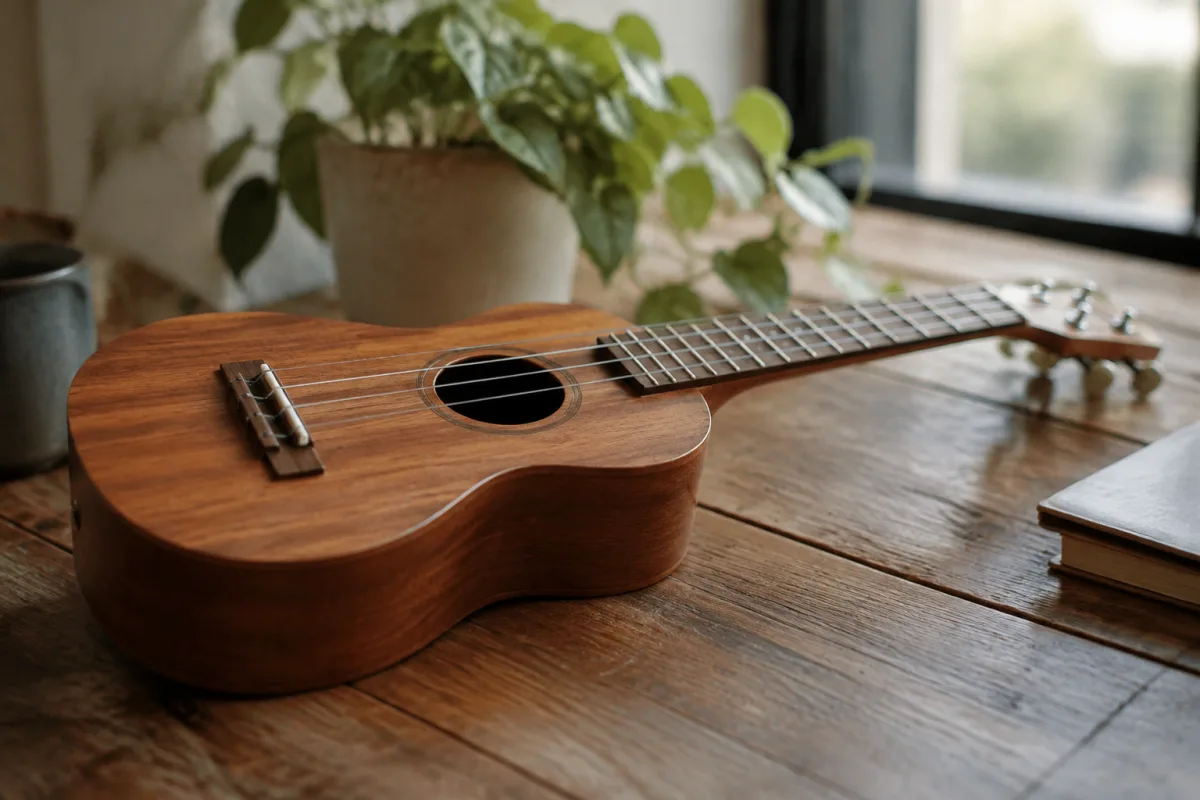
Ukulele tuning strings are the lifeblood of your instrument's sound, and understanding them is essential for any player who wants to keep their uke sounding bright, resonant and in tune. Whether you're a complete beginner picking up your first ukulele, a seasoned player replacing worn strings, or someone curious about the mechanics of these cheerful instruments, this guide covers everything you need to know about ukulele tuning strings—what they are, how to choose them, how to install them, and how to maintain them for maximum longevity.
Understanding Ukulele String Composition
Ukulele strings are manufactured from different materials, each contributing distinct tonal qualities and durability characteristics. The four most common types of ukulele tuning strings offer different sonic profiles and performance benefits.
Nylon Strings
Nylon is the traditional and most popular material for ukulele strings. Nylon strings produce a warm, mellow tone that is fundamentally associated with the ukulele's character. They're gentle on the fingers, making them ideal for beginners who may experience finger soreness whilst developing calluses. Nylon tuning strings are also the most affordable option and are available in numerous tension grades. The main drawback is that nylon strings stretch significantly when new and require frequent retuning for the first few days of use. They also lose brightness over time and eventually require replacement, typically after 3–6 months of regular playing.
Fluorocarbon Strings
Fluorocarbon is a modern alternative to traditional nylon that has gained popularity amongst serious players. Fluorocarbon tuning strings produce a brighter, more articulate tone than nylon whilst maintaining the ukulele's warmth. They stretch less than nylon, stabilise in pitch more quickly and last considerably longer—often 12–18 months with regular use. The trade-off is that fluorocarbon strings are more expensive than nylon, typically costing two to three times as much, and they can feel slightly stiffer on the fingers, which some players prefer and others find less comfortable than nylon.
Wound Strings
Wound strings feature a core material (usually nylon or fluorocarbon) wrapped in fine metal wire, typically stainless steel or bronze. Wound tuning strings, usually found on the lower-pitched strings of a ukulele, produce a deeper, warmer tone with greater volume projection. They're particularly common on tenor and baritone ukuleles where the larger body size allows the strings to vibrate more freely. Wound strings require careful handling during installation and playing, as sharp fingernails or picks can damage the wrapping. They also tend to pick up hand oils and dust more readily than unwound strings, requiring more frequent cleaning.
Rare Earth Polymer Strings
Some premium manufacturers produce strings from rare earth polymers, a cutting-edge material that aims to combine nylon's playability with fluorocarbon's brightness and longevity. These experimental tuning strings are expensive and less readily available than traditional options, but they appeal to players seeking the absolute best in tone and consistency. As the technology matures, these strings may become more mainstream.
Ukulele String Gauges and Tension
Ukulele tuning strings come in different gauges (thicknesses), which directly affect how the instrument plays and sounds.
| String Type | Gauge | Feel | Tone | Best For |
|---|---|---|---|---|
| Light Gauge | 0.028–0.048 inches | Comfortable, gentle on fingers | Bright, snappy | Beginners, fingerstyle players, sensitive fingers |
| Medium Gauge | 0.030–0.052 inches | Balanced feel, medium resistance | Warm, full-bodied | Intermediate players, general playing |
| Heavy Gauge | 0.032–0.056 inches | Higher tension, requires finger strength | Deep, powerful, rich | Advanced players, performers, tenor/baritone ukes |
Choosing the Right Ukulele Tuning Strings for Your Instrument
The size of your ukulele matters when selecting tuning strings. Soprano ukuleles (the smallest and most iconic) typically use light-gauge nylon strings, which suit their bright, "plinky" character. Concert ukuleles (mid-sized) work well with medium-gauge strings that provide a fuller tone with better volume projection than a soprano. Tenor ukuleles (large) and baritone ukuleles (largest) usually require heavier gauges and often benefit from wound strings on the lower-pitched courses.
Your playing style also influences string choice. Fingerstyle players who want comfort and clarity often prefer lighter gauges of fluorocarbon or nylon. Strummers seeking volume and projection may prefer heavier gauges or wound strings. Beginners should start with standard light-gauge nylon strings, which are affordable, comfortable and forgiving. As you develop your skills and discover your tonal preferences, you can experiment with different materials and gauges to refine your sound.
Installing Fresh Ukulele Tuning Strings
Replacing ukulele tuning strings is a straightforward task that most players can master with a bit of practice.
- Gather your tools — a new set of ukulele strings, wire cutters, a string winder (optional but helpful), and a tuner
- Remove old strings — loosen the tuning pegs until the strings go slack, then carefully remove them from the bridge and nut (check your ukulele's manual if you're unsure of the design)
- Clean your fretboard — with the strings off, take the opportunity to wipe down the fretboard with a soft, dry cloth
- Insert new strings — thread each new string through the bridge slots, then up through the tuning peg holes (check the manual for your specific uke's design)
- Wind the strings — use the tuning pegs to wind the strings snugly, ensuring they wind neatly around the peg without overlapping
- Tune to pitch — bring the ukulele up to proper tuning, checking the pitch with a digital tuner
- Stretch the strings gently — new strings will stretch, so gently pull on each string and retune. Repeat this process several times over the next day or two until the strings stabilise
Extending the Life of Your Ukulele Tuning Strings
Proper maintenance significantly extends the lifespan of your tuning strings. Wash your hands before playing to remove oils and dirt that can accumulate on the strings and cause premature wear. After each playing session, wipe down your ukulele with a soft, dry cloth, paying special attention to the strings. Store your ukulele in a climate-controlled environment away from extreme heat, cold and humidity, which can cause the wood to expand or contract and place stress on the strings. Avoid exposing your ukulele to direct sunlight for extended periods, as UV rays degrade both strings and finishes. If you play frequently (several hours a day), expect to replace your tuning strings every 2–4 months; casual players may go 6–12 months between replacements.
Common Ukulele Tuning String Problems
- Slipping strings — if your strings slip out of tune frequently, the pegs may be loose or the string may not be wound tightly enough. Ensure you're winding strings snugly, with at least 2–3 wraps around each peg
- Dull, lifeless tone — old tuning strings gradually lose brightness. If your ukulele sounds muted or mellow and regular cleaning doesn't help, it's time to replace the strings
- Broken strings — if a string snaps, replace the entire set rather than just one string; old strings next to a new one will sound inconsistent
- Buzzing or rattling — this usually indicates slipped strings or a tuning peg that's come loose, not a string problem itself. Check the pegs first before assuming the strings are faulty
- Excessive stretching — nylon strings stretch a lot when new; fluorocarbon strings stretch less. If you're frustrated with constant retuning, consider upgrading to fluorocarbon
Budget Considerations and String Replacement Frequency
A basic set of quality nylon ukulele tuning strings typically costs £3–£8, whilst fluorocarbon sets run £8–£15 and premium wound sets can exceed £20. Most players change strings every 3–6 months with regular playing, though casual players might stretch a set to a year or more. Investing in quality strings pays dividends in tone, tuning stability and overall playing experience. Beginners can start with budget nylon strings to learn the replacement process, then upgrade to fluorocarbon once they're ready to explore improved tonal characteristics.
The Importance of Quality Ukulele Tuning Strings
Your ukulele's sound is only as good as its strings. Fresh, quality tuning strings transform a dull-sounding instrument into one that sings with clarity, resonance and character. Whether you've just bought your first ukulele or you're a seasoned player refreshing your setup, choosing the right tuning strings and maintaining them properly is one of the most cost-effective upgrades you can make to your playing experience.



Comments