


Luna Ukulele Buying guide
Luna Ukulele: A Complete Buyer's Guide
A practical guide to choosing the right Luna ukulele — from soprano to baritone sizes, wood types, price and what you're paying for.
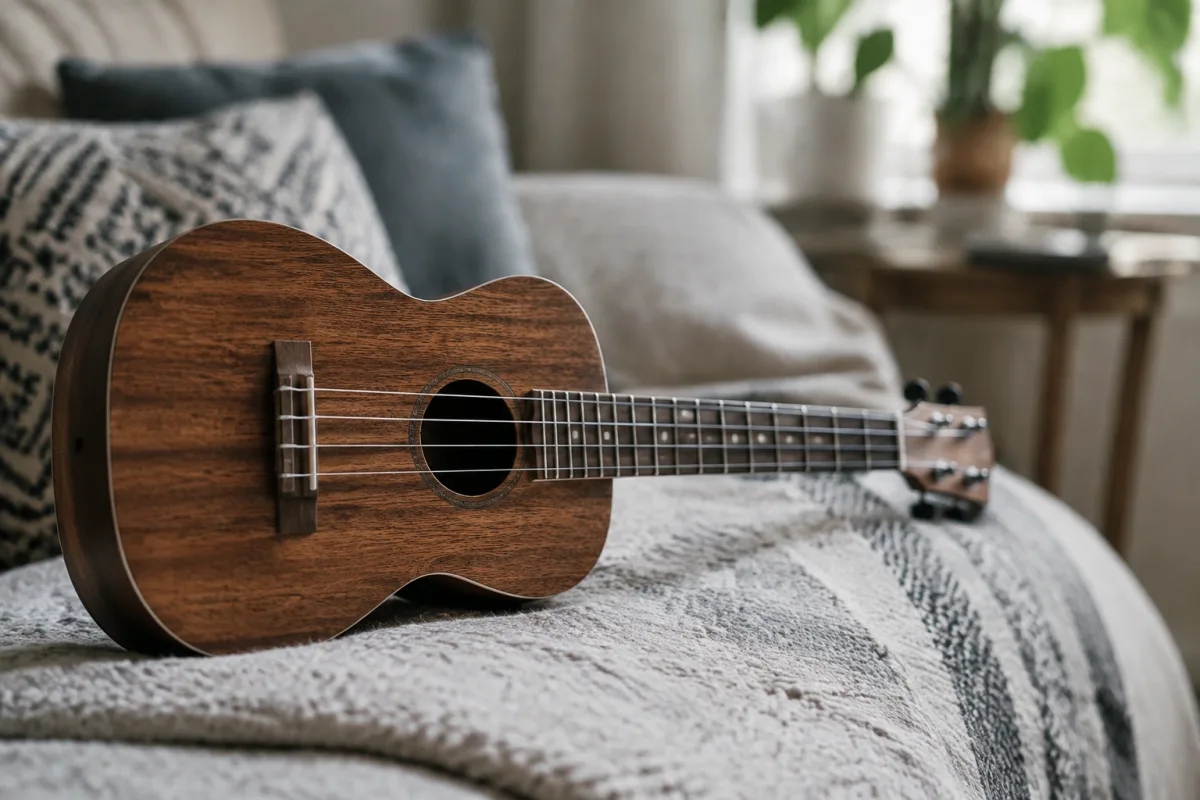
Buying a Luna Ukulele: How to Choose the Right One
Luna ukuleles sit at the intersection of affordability and quality, making them popular with beginners and intermediate players alike. But walk into a shop and you'll find dozens of Luna ukulele models — different sizes, woods, and price points. This guide helps you navigate those choices and find the Luna ukulele that's right for you.
Understanding Luna Ukulele's Philosophy
Luna is a boutique ukulele manufacturer focused on craftsmanship and unique designs. Every Luna ukulele is hand-assembled, using quality wood, and finished with care. Prices are mid-range compared to mass-produced budget ukes and high-end custom makers, which means you're paying for real quality without boutique pricing.
Luna ukuleles are known for lovely tone, solid construction, and distinctive aesthetics. Many players consider them the sweet spot of value and quality.
Ukulele Sizes and What They Mean
Luna makes ukuleles in all four standard sizes:
Soprano — The smallest and brightest. Classic ukulele sound, very portable, often under £200. Luna soprano ukuleles are great for travel and casual playing.
Concert — Slightly larger, warmer tone, easier to play for people with bigger hands. A Luna concert ukulele is the most popular size overall and offers the best balance of playability and authentic sound.
Tenor — Deeper, fuller tone, closer to a small guitar in volume and presence. A Luna tenor ukulele suits fingerstyle playing and more serious students. More expensive (often £300+).
Baritone — The largest, tuned differently than other ukuleles. Closest to a guitar in feel. A Luna baritone ukulele is niche; buy one only if you've played other sizes and specifically want its deeper tone.
If you're unsure, choose a Luna concert ukulele. It's the Goldilocks size — not too small, not too big, and the tone is universally appreciated.
Wood Types and Tone Character
Luna ukuleles use various wood combinations for body and top:
Mahogany — The classic ukulele wood. Warm, rich tone. Durable and affordable. A Luna mahogany ukulele is reliable and sounds lovely.
Acacia — Brighter, punchier tone. Popular in Hawaii. Looks beautiful and sounds vibrant. A Luna acacia ukulele projects well and suits strumming.
Spruce — Bright and responsive. Often used for the top (soundboard) of nicer Luna ukuleles. Adds clarity and volume.
Walnut and Exotic Woods — Some Luna ukuleles use specialty woods for unique tone and appearance. These cost more but offer distinctive character.
For a first Luna ukulele, mahogany or acacia is hard to beat. Both sound great and age well. Exotic woods are lovely but save them for after you've decided ukulele is your instrument.
Price Tiers and What to Expect
Under £150 — Luna's entry-level ukuleles. Solid construction, decent tone, good value. Fine for beginners who aren't sure if they'll stick with ukulele.
£150–250 — Mid-range Luna ukuleles. This is where quality really shines. Better wood, nicer finish, improved playability and tone. Recommended for serious beginners and intermediate players.
£250–400 — Premium Luna ukuleles. Hand-carved details, rare woods, exceptional tone. For players who gig, record, or play seriously.
£400+ — High-end Luna ukuleles. Custom options, rare materials, museum-quality craftsmanship. Only if ukulele is central to your music.
For your first Luna ukulele, the £150–250 range offers the best balance. You'll get a genuinely nice instrument that sounds good and will serve you for years.
Unique Luna Ukulele Features
Luna is known for distinctive designs. Many Luna ukuleles feature:
- Decorative soundhole rosettes (pretty rings around the sound hole)
- Unique body shapes and finishes
- Semi-acoustic designs (thin bodies with enhanced volume)
- Tattoo-style graphics and art
- High-quality hardware (tuners, bridge, nut)
These details make a Luna ukulele feel special and personal. You're not just buying an instrument; you're buying something with character.
Testing Before You Buy
Play a Luna ukulele before committing if possible. Listen to its tone, feel its playability, and check the action (how high the strings sit — lower is easier to play). A well-set-up Luna ukulele should feel comfortable and responsive.
Check for obvious flaws: cracks, loose seams, or hardware issues. Luna's quality control is good, but defects happen. Inspect carefully and ask for a different unit if something's wrong.
Order online from a dealer with a returns policy if you can't try it in person. Most reputable shops offer 14–30 days to return if the Luna ukulele isn't right.
New vs. Used Luna Ukuleles
Used Luna ukuleles often offer great value, typically at 50–70% of new price. Ukuleles age well, and a well-maintained used Luna ukulele might actually sound better than a new one (wood needs time to open up).
Check the condition carefully. Look for cracks, finish damage, and fret wear. Ask about repair history. If a Luna ukulele has been cared for, buying used is a smart financial move.
Setup and Maintenance
A quality Luna ukulele needs basic setup when new: bridge height, nut slot depth, and intonation check. A music shop can do this cheaply (£10–30). It's worth it for comfort and playability.
Maintain your Luna ukulele: wipe it gently after playing, store it in a case away from extreme heat and cold, and restring when tone starts to fade (typically every 3–6 months with regular playing). A well-cared-for Luna ukulele lasts for decades.
The Bottom Line
A Luna ukulele is a solid choice if you want quality without paying custom maker prices. Choose a concert size unless you have specific reasons for soprano or tenor. Spend £150–250 for a mid-range model. Play it before buying if possible. And enjoy — Luna ukuleles are built to make you sound good and inspire you to keep playing.
For a comprehensive guide to Luna's full range and how to choose between Luna models, see our complete guide to Luna ukuleles.



Comments