


Lanikai Ukulele Buying guide
Lanikai Ukulele: A Complete Buyer's Guide
Shopping for a Lanikai ukulele? This guide explains why they're trusted, size and model options, what to inspect, and pricing from budget to premium.
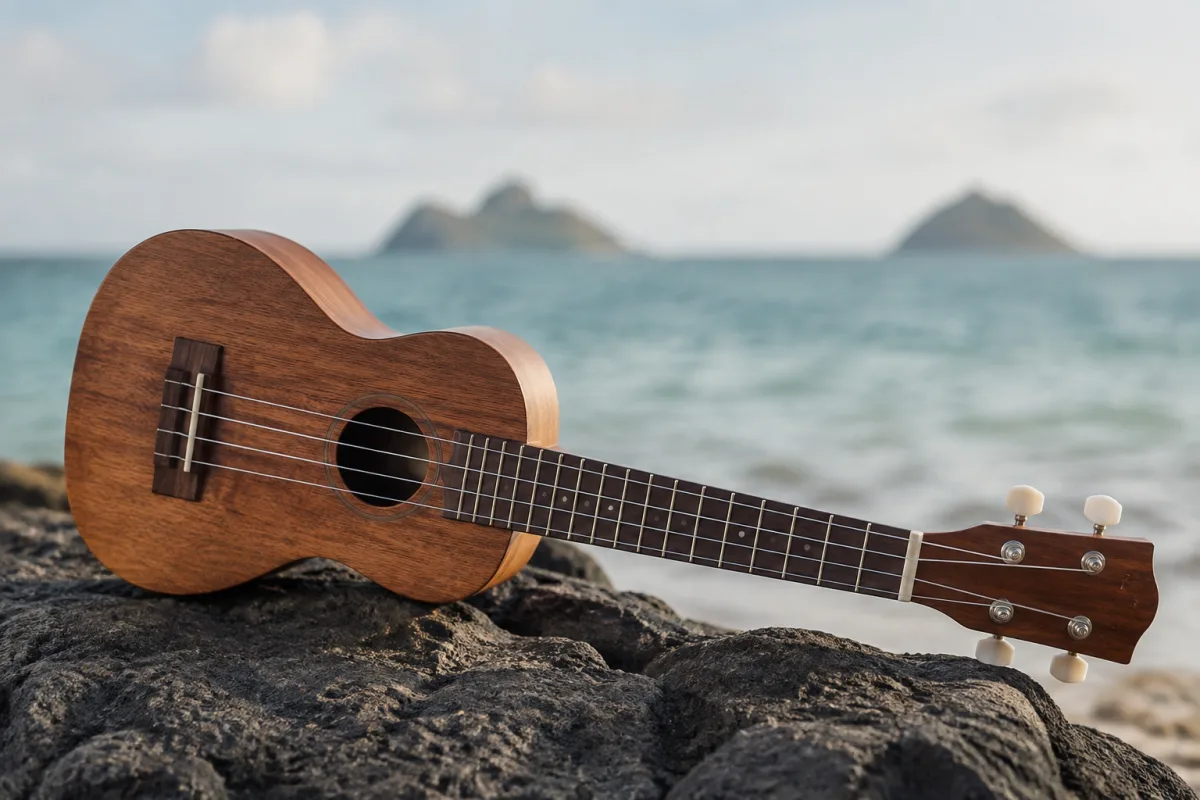
A Lanikai ukulele is a smart choice if you're looking for a playable, well-made instrument without an astronomical price tag. Lanikai builds a range of ukuleles from affordable beginner models to premium instruments, all with consistent quality and an accessible, warm sound. This buying guide covers what makes Lanikai ukuleles stand out, which models suit different needs, and what to evaluate before committing to a purchase.
Why Choose a Lanikai Ukulele
Lanikai has built a reputation for delivering excellent value across their range. A Lanikai ukulele punches above its price point—you get solid construction, pleasant tone, and reliable playability at a fraction of what premium handcrafted instruments cost. This reputation has made Lanikai a trusted choice for beginners, students, and working musicians alike.
Unlike ultra-budget ukuleles that feel flimsy, a Lanikai ukulele is built with proper materials and attention to construction. The wood is quality, the hardware is functional, and the intonation is respectable. You're not paying for a brand name alone; you're paying for genuine instrument quality.
Understanding Lanikai Ukulele Models and Sizes
Lanikai makes ukuleles in all four standard sizes: soprano, concert, tenor, and baritone. A soprano Lanikai ukulele is the smallest and most portable, perfect for travel and beginners. A concert Lanikai ukulele is slightly larger with a warmer tone and a bit more volume. A tenor Lanikai ukulele has a fuller bass response and is favoured by experienced players. A baritone Lanikai ukulele is the largest and lowest-pitched.
Within each size, Lanikai offers models at different price points. The LU series represents their budget-friendly range, still solid but simpler construction. The standard Lanikai ukuleles (like the KA or KM series) represent mid-range quality with better woods and hardware. Premium models (like the LQuilt series) use figured or exotic woods and superior finish.
Materials and Construction
A Lanikai ukulele is typically built with laminated wood for the body on budget models, solid wood on mid-range and premium versions. Solid wood resonates better and sounds warmer; laminated wood is more stable and affordable. For a Lanikai ukulele in the mid-price range, you often get solid wood top with laminated back and sides, which is an excellent balance.
The hardware on a Lanikai ukulele—tuning machines and bridge—is usually adequate but functional rather than premium. On higher-end models, hardware is upgraded to better quality, which improves tuning stability and ease of use.
Sound Character
A Lanikai ukulele is known for a warm, mellow tone that's neither too bright nor too dull. This pleasant middle ground makes a Lanikai ukulele welcoming to new players and musically versatile—suitable for traditional Hawaiian music, contemporary singer-songwriter styles, and even jazz. The tone is forgiving enough that average playing technique still produces a decent sound.
If you're seeking the bright, crisp tone of a premium handcrafted ukulele, a Lanikai ukulele may sound slightly subdued by comparison. If you want warm, easy-to-love tone without spending £1000+, a Lanikai ukulele delivers exactly that.
What to Check When Buying a Lanikai Ukulele
- Fret quality: Run your finger along the frets. They should feel smooth and level. High frets cause buzzing; worn frets indicate heavy prior use.
- Neck straightness: Sight down the neck to ensure it's not warped or twisted. A straight neck is essential for good playability.
- Action and string height: At the 12th fret, the strings should be roughly 2.5mm on the treble side and 3mm on the bass side. Too high is uncomfortable; too low buzzes.
- Tuning stability: Play a string and watch if the tuning holds steady. Tuning machines should turn smoothly without grinding.
- Body finish: Inspect for cracks, finish damage, or glue lines that suggest hasty construction. Minor blemishes are fine; structural damage is not.
- Bridge integrity: Check that the bridge is securely glued and not cracked. The bridge transmits vibrations from strings to body; a loose or damaged bridge ruins tone.
Price Tiers for Lanikai Ukuleles
| Price Range | What to Expect |
|---|---|
| £50–£150 | Budget Lanikai ukuleles (LU series). Good for absolute beginners and casual players. Playable and pleasant, though construction is simpler. |
| £150–£350 | Mid-range models with solid wood tops, improved hardware, and refined tone. Excellent value for developing players and hobbyists. |
| £350–£700 | Premium Lanikai ukuleles with solid wood construction, quality hardware, and superior finish. Suitable for serious students and performers. |
| Over £700 | Top-tier limited editions or hand-selected premium models. Exceptional materials and craftsmanship. |
New vs. Used
A new Lanikai ukulele comes with a warranty and the assurance of fresh materials and construction. Buying new is straightforward. A used Lanikai ukulele can be an excellent bargain if well-maintained—they hold up robustly over years of playing. Many musicians upgrade to handcrafted instruments and sell quality Lanikai ukuleles at 50–60% of the original price.
When buying used, inspect for cracks in the body, fret wear, and tuning machine condition. A used Lanikai ukulele that's been played regularly may need a setup (£30–£50) to optimise action and playability. This investment is worth it if the fundamentals are sound.
Which Lanikai Ukulele for You
If you're a complete beginner, a soprano or concert Lanikai ukulele in the mid-range (£120–£250) is ideal. It's affordable enough that you won't panic over dings, yet good enough to encourage regular practice. If you're an experienced player stepping up from a budget instrument, a tenor Lanikai ukulele with solid wood construction (£300–£500) offers noticeable improvement in tone and playability.
Common Buying Mistakes
Don't assume all Lanikai ukuleles sound and feel identical. Within their range, there's genuine quality variation. Budget models are functional but basic; mid-range models are where the brand truly excels. Don't overlook playability for aesthetics. A beautiful ukulele with high action and intonation problems will discourage you. Test before you buy, or order from a retailer with a return policy.
For detailed information on Lanikai ukulele construction, models, and tonal characteristics, explore our comprehensive Lanikai ukulele guide.
Conclusion
Buying a Lanikai ukulele is a sensible investment. You get genuine quality, pleasant tone, and reliability at a reasonable price. Choose the size that appeals to you (soprano for portability, concert for balance, tenor for deeper tone), evaluate the specific model carefully, and test the action and tuning before committing. A Lanikai ukulele won't disappoint, whether you're learning for the first time or upgrading from a budget instrument.



Comments