


Stage Concert Lighting article
The Complete Guide to Stage Concert Lighting
Professional stage concert lighting transforms a performance from merely audible to truly unforgettable. Understanding the essentials is crucial for musicians, engineers and venue managers.
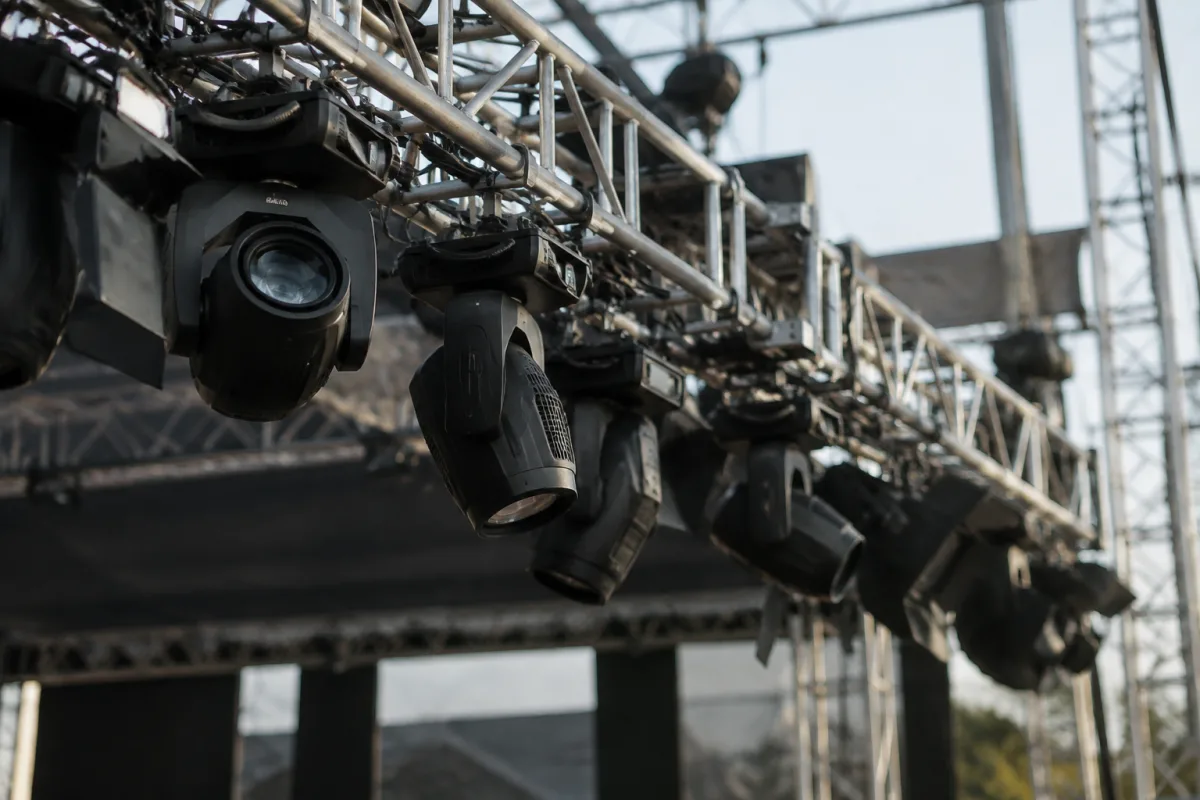
Professional stage concert lighting transforms a performance from merely audible to truly unforgettable. Whether you're attending an intimate folk festival or a massive arena show, the stage concert lighting design shapes the entire emotional journey of the music. For musicians, sound engineers and venue managers, understanding stage concert lighting essentials is crucial to creating performances that engage audiences on every level.
The Role of Stage Concert Lighting in Live Performance
Stage concert lighting serves multiple purposes beyond simply illuminating the performers. Effective stage concert lighting establishes mood, directs audience attention, and creates visual rhythms that amplify the music. A well-designed stage concert lighting rig transforms the stage into a three-dimensional canvas, revealing the musicians' expressions and movements whilst building emotional intensity.
The interplay between light and music creates what professionals call "visual rhythm." Sudden lighting shifts can punctuate climactic moments in a song, whilst subtle colour transitions during quieter passages maintain emotional depth. This synchronisation between sound and light is what distinguishes a professional concert experience from a basic performance.
Essential Types of Stage Concert Lighting Equipment
Modern systems rely on several key categories of equipment, each serving distinct purposes:
- Profile Spots (Fresnels and Pars): These directional lights create defined beams and are essential for illuminating performers. Fresnels offer adjustable beam width, whilst par cans produce sharper, more focused light ideal for dramatic effects.
- Wash Lights: Used to fill large areas of the stage with colour, wash lights provide even illumination and are commonly LED-based in modern rigs for efficiency and colour flexibility.
- Automated Moving Lights: These motorised units can pan, tilt, and change colour remotely, allowing dynamic lighting changes without manual intervention. They're essential for contemporary concert productions.
- LED Systems: Modern LED fixtures consume less power, generate minimal heat, and offer infinite colour possibilities. They've become the industry standard for most concert applications.
- Gobos and Effects Projectors: These create patterns and textures on the stage surface, adding visual complexity and sophistication to the lighting design.
- Rigging Hardware: Sturdy, professional-grade truss systems, hoists, and safety equipment are non-negotiable for securing such equipment above performers and audiences.
Colour and Temperature Considerations
Colour selection in these systems profoundly affects audience perception. Warm colours (reds, ambers, yellows) evoke intimacy and energy, making them ideal for uptempo performances or emotional crescendos. Cool colours (blues, cyans, purples) create atmosphere and work well during introspective passages.
Colour temperature, measured in Kelvin, determines whether light appears warm or cool. Traditional tungsten fixtures produce warm light around 3200K, whilst LED systems offer adjustable colour temperature from 2700K (warm white) to 6500K (cool daylight). Professional designers understand these nuances and adjust colour temperature to match the emotional arc of each performance.
Lighting Positions and Coverage
Achieving optimal coverage requires strategic positioning of equipment. The primary positions include:
| Position | Purpose | Typical Distance |
|---|---|---|
| Front of House (FOH) | Primary illumination of performers' faces and bodies | 15–40 metres from stage |
| Downstage | Rear lighting for shape and separation | Behind performers |
| Side Lighting | Dimensional modelling and texture | 45-degree angles to stage |
| Overhead | General washes and effects | Directly above stage |
Control Systems and Technology
Modern systems rely on sophisticated control systems, typically DMX (Digital Multiplex) protocol, which allows lighting technicians to programme and execute complex sequences with precision. Many venues use industry-standard lighting consoles that coordinate hundreds of individual fixtures.
Programming cues requires understanding the music's structure. Technicians analyse the song arrangement, identifying key moments—verses, choruses, breakdowns, and climaxes—then programme lighting changes that enhance emotional impact. Professional productions often rehearse timing extensively to ensure perfect synchronisation with musical cues.
Practical Considerations for Venue Managers
When investing in such equipment, budget, maintenance, and electrical capacity are critical factors. LED fixtures, whilst initially more expensive, save money long-term through reduced power consumption and replacement costs. Maintenance protocols should include regular lens cleaning (dust accumulation affects light quality), electrical inspections, and fixture calibration.
Electrical infrastructure is paramount. A modest stage concert lighting rig requires 63 amps or more, necessitating proper distribution systems and safe ground connection. Venue managers must ensure adequate power supply before installing or upgrading such systems.
The Psychology of Stage Lighting in Music
Audiences may not consciously analyse these systems, but they respond to them profoundly. Rapid colour shifts create urgency; slow fades evoke contemplation. Backlighting creates a sense of separation from the audience, fostering intimacy even in large venues. Strategic spotlighting directs attention, ensuring audiences focus on key soloists during important musical moments.
This psychological connection between lighting and emotional response is why professional touring bands invest significantly in sophisticated lighting design. The visual element enhances musicianship, creating layered experiences that audiences remember long after the final note fades.
Common Mistakes in Concert Lighting Design
Even experienced lighting designers occasionally fall into common pitfalls. Overly bright backlighting can wash out performers' faces despite front-of-house lights. Colour overload—too many simultaneous colour changes—becomes distracting rather than enhancing. Neglecting the stage geometry, such as not accounting for musicians' heights or instrument positions, results in poor performer visibility.
The most frequent error is underestimating rehearsal time. Proper integration of these systems requires testing and refining cues during full band rehearsals, not simply programming fixtures in isolation. This collaborative approach ensures the lighting genuinely serves the music rather than distracting from it.
Conclusion
Stage concert lighting is far more than technical illumination—it's an essential performance element that elevates live music to an art form. From equipment selection and positioning to colour psychology and control synchronisation, every aspect contributes to creating memorable concert experiences. Whether you're a venue manager, touring technician, or musician seeking to improve your stage presence, understanding these principles is invaluable. Invest in quality equipment, prioritise proper design and rehearsal, and you'll create performances that audiences will treasure.






Comments