


Large String Instrument Buying guide
Large String Instrument: A Complete Buyer's Guide
Choosing a large string instrument means balancing budget, build quality and playability. Our guide covers the specs that matter, wood quality markers, and common pitfalls to avoid.
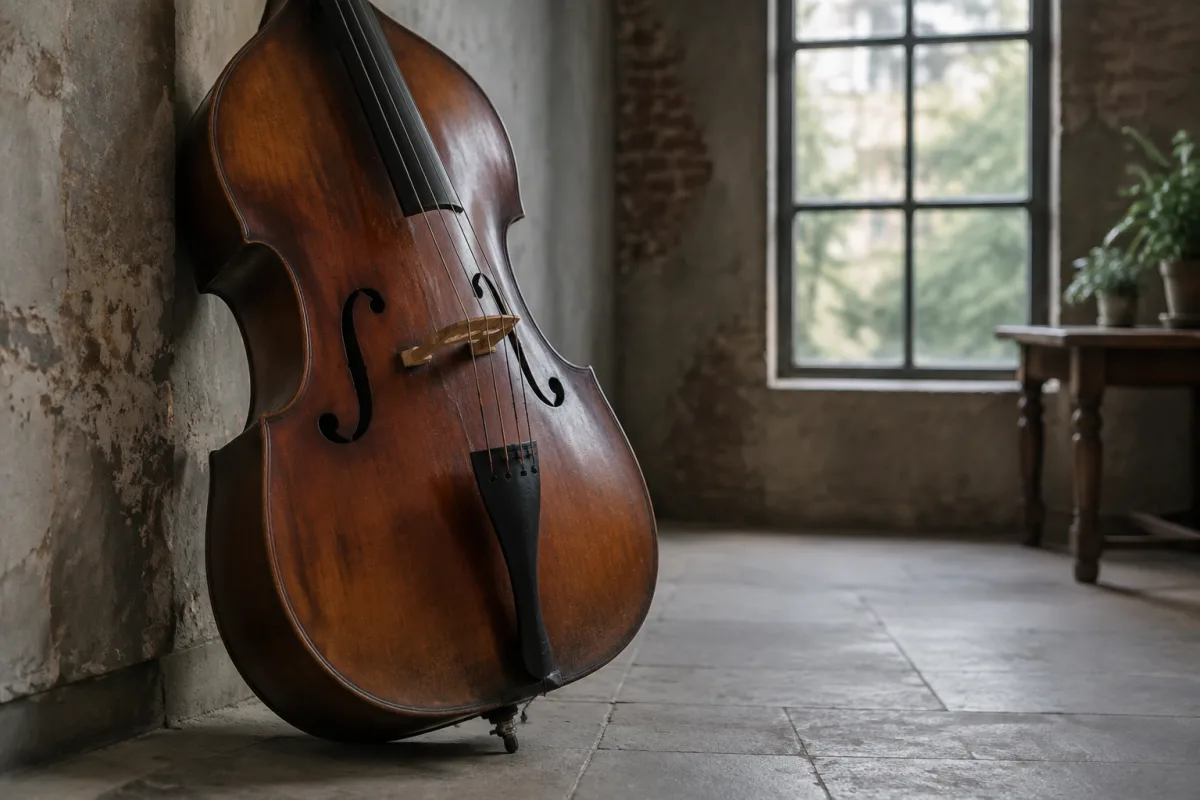
Choosing a large string instrument can feel daunting when faced with the sheer variety of options, price points and technical considerations. Whether you're upgrading from a smaller instrument or investing in your first serious large string instrument, knowing what to look for separates a good purchase from a costly mistake. This guide covers the essential specs, build quality markers, and common pitfalls to help you find the right instrument for your needs and budget.
Understanding Your Needs and Budget Tiers
Large string instruments span a vast price range, from budget student models under £500 to handcrafted concert instruments costing thousands. Before examining specific specs, decide your budget bracket and playing level.
Student/Beginner Tier (£300–£800) suits absolute newcomers and casual hobbyists. Expect decent playability and reasonable durability, but the materials and craftsmanship won't match pricier instruments. Resale value is modest, so treat this as a learning investment rather than a collector's piece.
Intermediate Tier (£800–£2,500) offers noticeably better tone, responsiveness and build quality. Materials improve, woods are aged longer, and the overall instrument responds more dynamically to your playing. This bracket makes sense if you're serious about playing but not yet gigging professionally.
Professional Tier (£2,500–£10,000+) delivers superior sound projection, tonal complexity and durability. Premium woods, expert craftsmanship and rigorous quality control are standard. Many professional instruments hold or gain value over time, particularly handmade models from respected makers.
A larger budget doesn't guarantee happiness—sometimes a well-chosen mid-tier instrument suits you better than a premium one. Play before you buy, if you can.
Wood Quality and Tonal Properties
Wood is the soul of a large string instrument. The top (soundboard), back and sides each contribute to the final tone. As a buyer, learn to spot quality indicators.
Soundboard Wood. Spruce and cedar are traditional tops for most large string instruments. Spruce (especially European Sitka spruce) projects well and brightens the tone; cedar offers a warmer, mellower character. Look for straight grain, consistent colour and no obvious cracks, knots or repairs. Quarter-sawn wood (grain lines perpendicular to the surface) is stronger and more stable than flat-sawn.
Back and Sides. Rosewood, mahogany and other hardwoods are common. Rosewood delivers a focused, punchy tone; mahogany sounds warm and woody. Authentic solid wood backs sound richer than laminated (plywood) ones, but laminate is more durable and less prone to cracking—a fair trade-off in student and intermediate instruments.
Age and Seasoning. Quality instruments use wood aged 5–10 years or longer. Aged wood is more stable and tonally mature. Cheaper instruments sometimes use kiln-dried wood with little aging, which can lead to warping and tonal inconsistency over time.
Key Specs and What They Mean
Beyond aesthetics, several measurable specs affect playability and tone. Understanding them helps you compare instruments fairly.
| Spec | Why It Matters | What to Look For |
|---|---|---|
| Scale Length | Determines string tension, pitch and playability. Longer scales sound brighter but demand more finger strength. | Standard varies by instrument type; consistency with your preference matters more than an "ideal" number. |
| Nut Width | Governs finger spacing on lower frets. Wider nuts suit larger hands and reduce unwanted muting; narrower nuts favour precise technique. | Measure at the nut itself (usually 1.7–1.95 inches). Play to confirm comfort. |
| Neck Depth and Profile | Affects how the instrument sits in your hand and how easily you can reach across the fretboard. | Try several profiles; preference is personal. A neck that's too thick or thin causes fatigue and intonation struggles. |
| Action Height | Lower action is easier to play but risks buzz; higher action demands more pressure. Factory-set action often needs adjustment. | Check at the 12th fret: typically 2.0–2.5mm bass side, 1.75–2.25mm treble. Have a professional adjust it post-purchase. |
| Hardware | Tuning pegs, bridge and tailpiece must be robust and precise. Cheap hardware slips, corrodes and ruins the instrument's feel. | Test tuning stability during your play-test. Look for brass or quality alloy, not mystery pot-metal. |
Structural Red Flags and Durability Concerns
A damaged or poorly constructed large string instrument costs far more to repair than to replace. Inspect carefully before committing.
Cracks and Repairs. A hairline crack in the soundboard can grow into a structural problem. Small, neatly glued cracks in non-critical areas are acceptable; large cracks, recent repairs with visible glue residue or amateur fixes are warning signs. Ask the seller about the instrument's history—how was it stored? Any accidents?
Delamination. Where the soundboard is beginning to separate from the sides or braces are coming loose, the instrument is on the decline. Listen for buzzing or rattling when you play, and look closely at seams and joints.
Fret Wear and Fretboard Condition. Uneven fret wear indicates heavy use or poor setup; re-fretting is expensive. A fretboard that's cracked, deeply stained or warped suggests years of neglect or poor storage.
Neck Alignment and Truss Rod. Sight along the fretboard from the headstock. A twisted or severely bowed neck is a red flag. Ask if the truss rod works smoothly; a stuck or unresponsive truss rod complicates future repairs.
Buying New vs. Vintage or Used
New instruments guarantee no hidden damage history and come with manufacturer's warranty. Used instruments can offer outstanding value—a ten-year-old mid-tier model often outperforms a new budget instrument—but require careful inspection and often need setup adjustment.
New from a Reputable Maker. You pay full price but get consistency, warranty support and the assurance of factory standards. Many quality makers offer 1–3 year warranties covering defects.
Used from a Dealer. A music shop has typically inspected and adjusted the instrument. Expect fair pricing and a return window. Ask what setup work was done.
Private Sale. Lowest prices, but highest risk. Never buy a large string instrument unseen. Request videos, measurements and a detailed description. Arrange a trial period or inspection by a qualified repair person if possible.
Setup and Playability After Purchase
Even excellent instruments benefit from a professional setup. Budget £50–£150 for neck relief checks, bridge adjustment, intonation tweaks and fret levelling if needed. This transforms a new large string instrument into an instrument that plays like it should and protects your investment long-term.
Price and Value Expectations
A large string instrument is not a disposable purchase. Expect to keep a decent one for years, even decades. Mid-tier instruments (£1,000–£3,000) offer the best value for most players—good tone, solid build, and still relatively affordable. Premium instruments justified only if you're gigging professionally or have refined tastes that justify the cost.
Avoid the temptation to buy cheap just to save money. A poorly made large string instrument frustrates you, improves slowly and resells for almost nothing. Saving an extra few hundred pounds for a solid mid-tier instrument is almost always the wiser path.
Where to Buy and Red Flags in Sellers
Purchase from established music retailers, specialist shops or verified online dealers with strong return policies. Avoid unknown online sellers, auction sites with poor photos and unverifiable histories, and anyone unwilling to answer detailed questions about the instrument's condition and setup.
A reputable dealer will let you try before buying, answer technical questions in detail and stand behind their instrument with a trial period or guarantee.
Conclusion
Buying a large string instrument is as much about patience and knowledge as it is about budget. Identify your realistic price bracket, understand the specs that affect playability and tone, inspect carefully for structural issues, and never rush. The right large string instrument for your hands, ears and needs will reward you with years of rewarding playing. Spend the time on selection, factor in professional setup, and you'll own an instrument that genuinely improves your playing rather than one that sits in a cupboard gathering dust.



Comments