


Cordoba Ukulele Buying guide
Cordoba Ukulele: A Complete Buyer's Guide
Cordoba ukuleles offer premium craftsmanship and tone at higher prices than budget models. Our guide covers when Cordoba quality justifies the investment and how to choose.
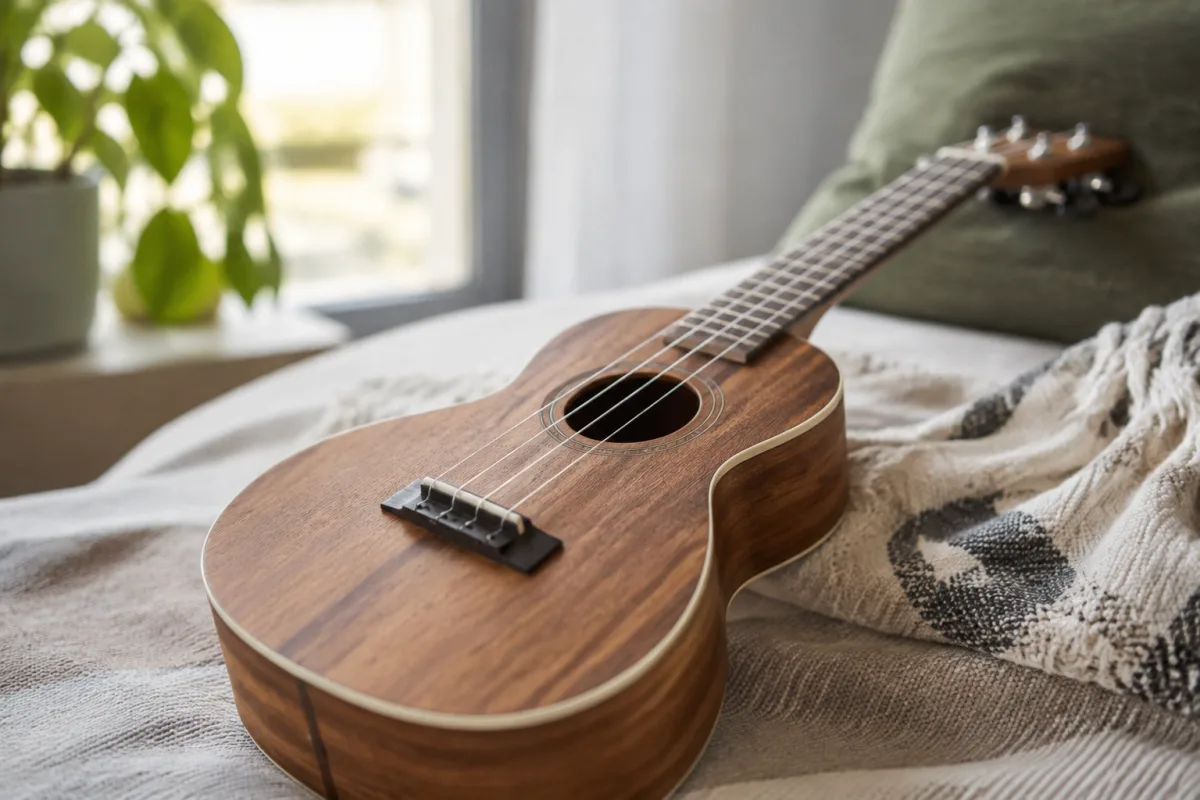
Cordoba ukuleles occupy a unique position in the instrument market—high-quality instruments at premium pricing, positioned between affordable beginner models and ultra-expensive custom pieces. If you're considering a Cordoba ukulele, you're likely drawn to the brand's reputation for craftsmanship and tone. This buying guide walks you through what Cordoba offers, how their models differ, what specifications matter and how to determine whether a Cordoba ukulele justifies its cost for your playing style and budget.
Understanding Cordoba's Reputation and Positioning
Cordoba started as a classical guitar manufacturer in Southern California before branching into ukuleles. The brand's approach to ukuleles reflects its guitar heritage: traditional design, quality materials, hand-crafted construction and attention to acoustic tone. Cordoba ukuleles are noticeably more expensive than mass-produced alternatives from budget manufacturers, but they deliver genuine quality across every aspect of construction and playability.
However, Cordoba's premium pricing isn't justified by ukulele playing alone. A £400 Cordoba ukulele produces objectively better tone than a £100 budget model, but improvement is subtle rather than revolutionary. The tonal difference becomes more apparent the more skilled your ear becomes. For professional performers and serious enthusiasts, Cordoba's quality justifies premium pricing. For casual players or beginners uncertain about long-term commitment, budget models offer better value despite slightly compromised tone.
Cordoba Ukulele Model Range and Sizing
Cordoba manufactures ukuleles in four standard sizes. Soprano (21 inches) is the traditional ukulele sound—bright, punchy and iconic. Concert (23 inches) offers slightly more volume and bass than soprano whilst maintaining familiar tone character. Tenor (26 inches) is substantially larger with deeper, fuller tone and longer sustain, ideal for fingerstyle and solo playing. Baritone (30 inches) is largest, tuned differently from other sizes and suited to specialist applications.
For most buyers, soprano and concert represent the core choice. Soprano delivers the classic ukulele sound and excellent portability. Concert provides more volume and tonal depth whilst remaining portable. Tenor suits serious players wanting richer tone for solo work. Baritone is specialist territory for experienced players familiar with its unique tuning.
Within each size, Cordoba offers several model tiers. Entry-level models (like the Protégé or Requinto series) deliver solid Cordoba quality at lower prices—typically £200–£350. Mid-range models (like the Luthier or Master Series) offer enhanced materials, finer construction and superior tone—typically £350–£600. Premium models (like the Special Collection) represent flagship instruments with exceptional tonal properties—typically £600+.
Materials and Construction Quality
Ukulele tone is determined largely by wood selection and construction. Cordoba uses traditional tonewoods: spruce or cedar for soundboards, mahogany or walnut for sides and backs. Entry-level models sometimes feature laminated (veneered) wood rather than solid wood, which slightly compromises acoustic properties but reduces cost and improves stability. Mid-range and premium models use solid wood throughout, producing superior resonance and tonal complexity.
Construction techniques also matter. Mass-produced budget ukuleles use machinery and minimal hand-finishing. Cordoba instruments receive hand-crafted attention—bracing inside the body is carefully voiced, frets are dressed and polished by hand, finishing is meticulous. These details accumulate into instruments that feel and sound substantially better than budget alternatives.
Hardware (tuning pegs, bridge, nut) is another quality differentiator. Cheap ukuleles use basic hardware that degrades quickly. Cordoba uses quality hardware that holds tuning well and remains functional for years.
Tone, Playability and Feel
A Cordoba ukulele is immediately recognisable through its warm, balanced tone. Treble is present but not brittle; bass is clear and defined. This tonal character appeals to serious players who want their ukulele to sound like a genuine instrument rather than a toy. Budget ukuleles often sound thin and twangy by comparison.
Playability is equally crucial. Cordoba ukuleles have carefully dressed frets, properly installed nuts and saddles, and good action (how far strings sit above the fretboard). This means playing is comfortable and intonation is stable. Budget instruments sometimes have rough frets and poor action that make playing uncomfortable and intonation inconsistent.
Feel in your hands also matters. Cordoba instruments have thoughtful ergonomics, comfortable body curves and well-finished necks. The ukulele feels like a proper instrument rather than a bargain purchase. For someone committing to serious playing, this matters.
New versus Used Cordoba Ukuleles
New Cordoba ukuleles retail at the prices mentioned above. Used Cordoba instruments typically cost 50–70% of original retail price, making them an attractive option if you find a well-maintained example. Used examples from reputable sellers (particularly music shops rather than private sellers) often carry remaining warranty coverage.
When buying used, inspect the instrument carefully. Check for cracks in the body (serious and costly to repair), verify tuning stability and test playability. A well-maintained used Cordoba is a genuine bargain—you get premium quality at mid-market pricing if you find the right example.
Vintage Cordoba models from earlier decades are increasingly collectible and command premium prices despite age. If you encounter a vintage example, ensure it's been properly maintained and serviced by a professional luthier.
Price Justification and Value Proposition
The critical question: do Cordoba ukuleles justify their premium cost? The answer depends on your commitment level and expectations. For casual players learning basic chord strumming, budget models offer genuinely adequate playability. You'll spend £40–£80 and learn music effectively without significant frustration.
For serious players wanting to develop genuine technique, understand nuanced tone and own an instrument that improves their playing experience, Cordoba delivers real value. The superior playability encourages better technique development. The superior tone rewards refined playing. The durability means you own the instrument for years rather than replacing it as it deteriorates.
Mid-range Cordoba models (£350–£500) represent particularly good value. They deliver genuine quality improvements over budget models without the extreme pricing of premium instruments. This price point is where Cordoba excellence becomes accessible without extravagance.
Specific Specifications to Check
When evaluating a Cordoba ukulele, confirm:
- Size: Soprano for traditional sound and portability, concert for more volume and depth, tenor for solo fingerstyle work.
- Materials: Solid wood throughout superior to laminated, spruce or cedar soundboard, quality hardware included.
- Model tier: Entry-level Cordoba is still quality; mid-range offers better value; premium models suit professionals.
- Action and fret condition: Strings should be comfortable to press, frets smooth and properly seated (no buzzing).
- Tuning stability: Tuning pegs should hold tuning reliably when properly tensioned.
- Tonal character: Play the ukulele or listen to demos to confirm tone matches your expectations.
- Finish quality: Inspect the finish for damage, rough spots or defects (new instruments should be flawless).
- Warranty and support: Verify warranty coverage and that qualified repair/setup service is available locally.
Common Mistakes When Buying Cordoba Ukuleles
The biggest mistake is confusing Cordoba's reputation with guaranteed satisfaction. A premium-priced Cordoba is a quality instrument, but it won't miraculously grant you musical talent or guarantee enjoyment. The best ukulele is the one you'll actually play and enjoy. If a Cordoba ukulele doesn't speak to you tonally or aesthetically, a cheaper alternative you genuinely like might be a better choice.
Another mistake is over-specifying model tier. Entry-level Cordoba models are genuinely excellent instruments. You don't need a premium model to own quality and enjoy playing. For most serious players, mid-range models offer the best balance of quality and value.
Some buyers also mistakenly assume size matters less than it does. A soprano ukulele and tenor ukulele are different instruments with distinct tonal characters. Choosing the wrong size because you liked a model's look can result in owning an instrument that doesn't suit your playing style. Test different sizes before committing.
Conclusion
A Cordoba ukulele represents a genuine investment in quality craftsmanship and tonal excellence. These instruments reward serious playing with responsive, nuanced tone and reliable performance. Entry-level Cordoba models offer genuine value at accessible pricing. Mid-range models strike an excellent balance between quality and cost. Premium models suit professionals and tone obsessives. Choose based on your realistic commitment level and budget rather than defaulting to the most expensive option. A Cordoba ukulele will serve you faithfully for years, improving rather than degrading with age when properly maintained. If serious ukulele playing is in your future, a Cordoba instrument is a worthy investment that will support your musical development and bring genuine enjoyment.


Comments