


Concertina roundup
Concertina: A Complete Buyer's Guide
Choosing your first concertina feels overwhelming—Anglo or English, new or vintage, how much to spend. This grounded guide cuts through the confusion and helps you find the right instrument.
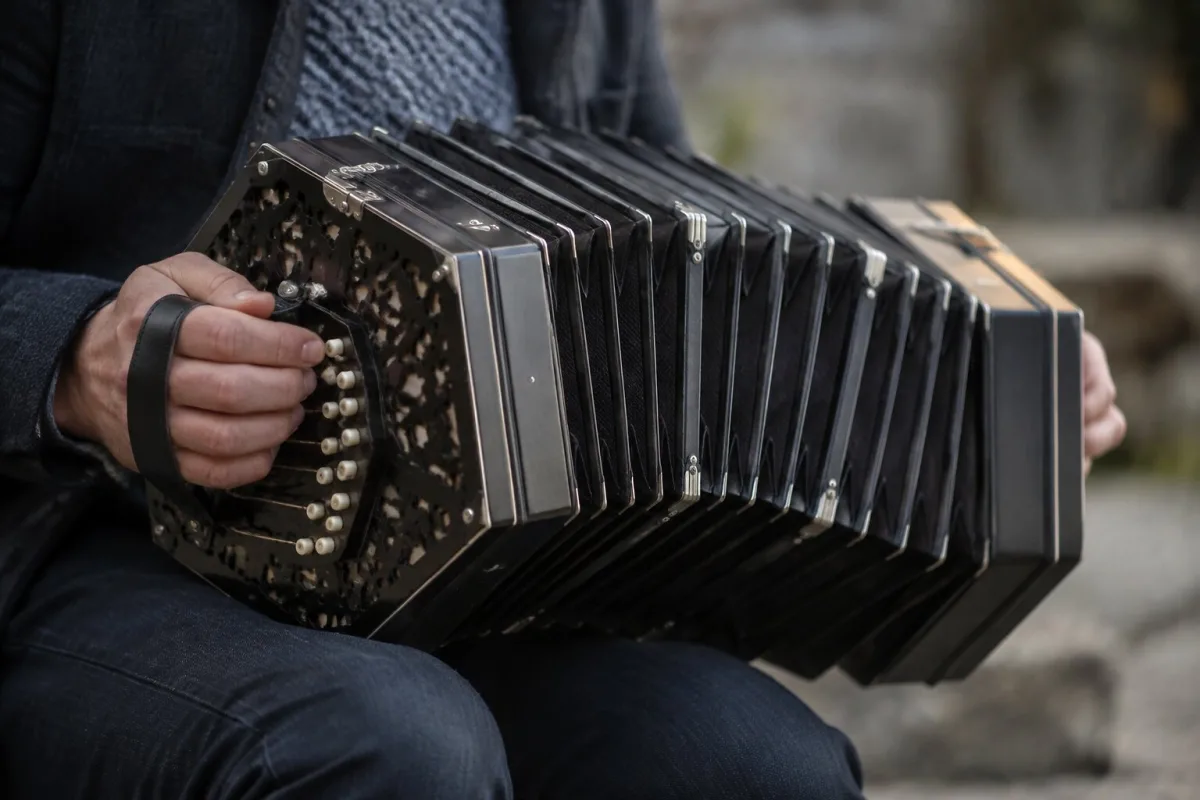
Buying your first concertina is both exciting and daunting. Walk into a folk session, and you will hear one—that warm, pulsing voice weaving through the fiddle tune. But when you sit down to find your own instrument, the choices multiply: Anglo or English? New or vintage? How much should you spend? These questions matter, and getting them right means the difference between an instrument that sings in your hands and one gathering dust on a shelf. This guide roots itself in the real decisions you will face, grounded in the experience of players who have made those choices.
Anglo Concertina: The Folk Musician's Choice
If you are drawn to Irish, Scottish or English folk music, an Anglo concertina is almost certainly the right path. The 20-button system is optimised for diatonic melodies—the ones that fit naturally into folk tunes. The defining feature is that the same button produces different notes on push versus pull, which allows rapid note repetition through bellows direction changes. This capacity for fast ornamentation—those signature rolls, cuts and flicks—is why this design dominates traditional sessions.
A good entry-level Anglo concertina runs GBP 500–800. At this price point, you get a playable instrument that will not impede your learning. Makers like Stagi, Suttner and Troubador offer acceptable quality for beginners, though they vary in tone and action. Mid-range Anglos, GBP 1200–2000, offer significantly better tone, lighter bellows action and more rewarding playability—this is where you begin to feel the instrument responding to your breath. Professional-grade Anglos from contemporary makers like Castagnari or Waller cost GBP 2500–4500 and up, with tonal richness and mechanical precision that justify the investment if you intend to play seriously for years.
English Concertina: The Chromatic Alternative
The English variant has 48 or more buttons arranged chromatically, and both push and pull produce the same note. If you are interested in classical repertoire, jazz, or complex chromatic melodies, this system offers broader pitch flexibility than the Anglo. However, English models are heavier, wider and less common in contemporary folk scenes. Most folk musicians will never need one.
Entry-level options in this category rarely exist; the instrument historically has been too expensive to produce cheaply. You are more likely to encounter vintage models, which we discuss separately. If you want a new English concertina, budget GBP 2500 minimum, and expect to wait for a builder to make it bespoke. Given the scarcity and specialist appeal, this variant is a second instrument, not a first.
New Versus Vintage Instruments
This decision hinges on budget, patience and your tolerance for uncertainty. A new concertina from a respected builder comes with a warranty, predictable sound and the confidence that construction standards are consistent. You can test the instrument before purchasing or arrange a trial period. You also avoid the risk of hidden damage—a cracked reed block, a bellows leak that will cost GBP 300+ to repair, or wood warping from decades of storage in damp conditions.
Vintage models, particularly Wheatstone and Lachenal examples from the 19th and early 20th centuries, are often marketed as superior instruments. This claim is partly true and partly mythology. A well-maintained Wheatstone can have a lovely, mature tone that years of playing and wood settlement have improved. Yet many vintage instruments are in poor condition, with weakened bellows, clogged or corroded reeds, and sluggish action. A cheap vintage option from an unknown maker might play beautifully or might be a costly restoration disaster—you cannot know without expert evaluation.
If you must buy vintage, have a specialist assess the instrument before committing. A full restoration can cost GBP 500–2000, which added to the purchase price may exceed the cost of a new mid-range concertina. Only pursue vintage if you are patient and willing to invest in professional repair.
Key Specifications to Understand
When comparing instruments, focus on these factors:
- Button count and layout: Standard Anglo has 20 buttons per hand. Some makers offer 21, 22 or 23-button models with extended range. More buttons complicate learning but enable wider repertoire.
- Reed type: Look for instruments with dual reeds per note (one on each bellows direction) for richer tone. Single-reed models are cheaper but thinner sounding.
- Bellows action: Bellows should open and close smoothly with minimal air leakage. Listen for a gentle, airtight feel. Stiff bellows indicate poor sealing or swollen wood.
- Tuning stability: Play a note and hold it; the pitch should remain constant. Wavering tone suggests bent or damaged reeds.
- Button response: Each button should click decisively with no sluggish return. Sluggish buttons indicate worn springs or debris in the mechanism.
- Wood and finish: Check for cracks in the wood, splits along the grain, or a finish that flakes easily. These suggest age-related damage or poor storage.
Price Points and What You Get
Budget GBP 400–700: Entry-level instruments suitable for absolute beginners. Tone is adequate, action can be sluggish, and durability is uncertain. These are learning platforms, not instruments to fall in love with. Good for deciding if you are serious before investing more.
Budget GBP 800–1500: Mid-range new concertinas from established Eastern European and Italian makers. Tone is noticeably warmer, bellows action lighter, and build quality consistent. This price tier represents good value and is where most hobby players settle happily.
Budget GBP 1500–3000: Professional-grade new instruments from makers like Castagnari, Waller or contemporary English builders. These models have voice, responsive action and will serve you for a lifetime of playing. The investment is real, but so is the reward.
Budget GBP 3000+: Specialist handmade instruments, exceptional vintage models, or bespoke builds. At this level, you are buying an instrument matched precisely to your needs and playing style, often with a wait time of six months to a year.
Where to Buy and Red Flags
Purchase from a specialist folk music retailer or directly from a maker. Many builders offer trial periods—you can keep the instrument for two weeks and return it if it does not suit you. This is invaluable for a first purchase. Avoid online marketplaces where you cannot test the instrument and cannot verify the seller's expertise.
Red flags include: a seller who cannot tell you the maker's name; a concertina listed as "beautiful antique" with no mention of playability; an instrument with a cracked bellows or visible damage described as "cosmetic"; or a price that seems impossibly low. Genuine bargains in concertinas are rare; an GBP 200 vintage concertina is usually a restoration project masquerading as a deal.
Starting Small and Building Up
Many players begin with an affordable entry-level instrument, play for two or three years, and then upgrade to a mid-range model once they know their preferences. This approach is sensible: you avoid over-investing before you are confident, and you learn what tone and action suit you. An Anglo concertina bought for GBP 500 and played enthusiastically for years will not depreciate to worthlessness—you can recoup GBP 200–300 when you trade up, making your true cost for the learning phase manageable.
The concertina rewards commitment. Choose an instrument that fits your budget today, learn patiently, and trust that the investment of time and money yields something irreplaceable: a voice shaped by your own breath and hands, rooted in centuries of tradition.





Comments