
Accordion Instrument for Sale article
The Complete Guide to Accordion Instrument For Sale
Buying an accordion instrument requires understanding the different types, quality levels and features that suit your skill level and musical goals.
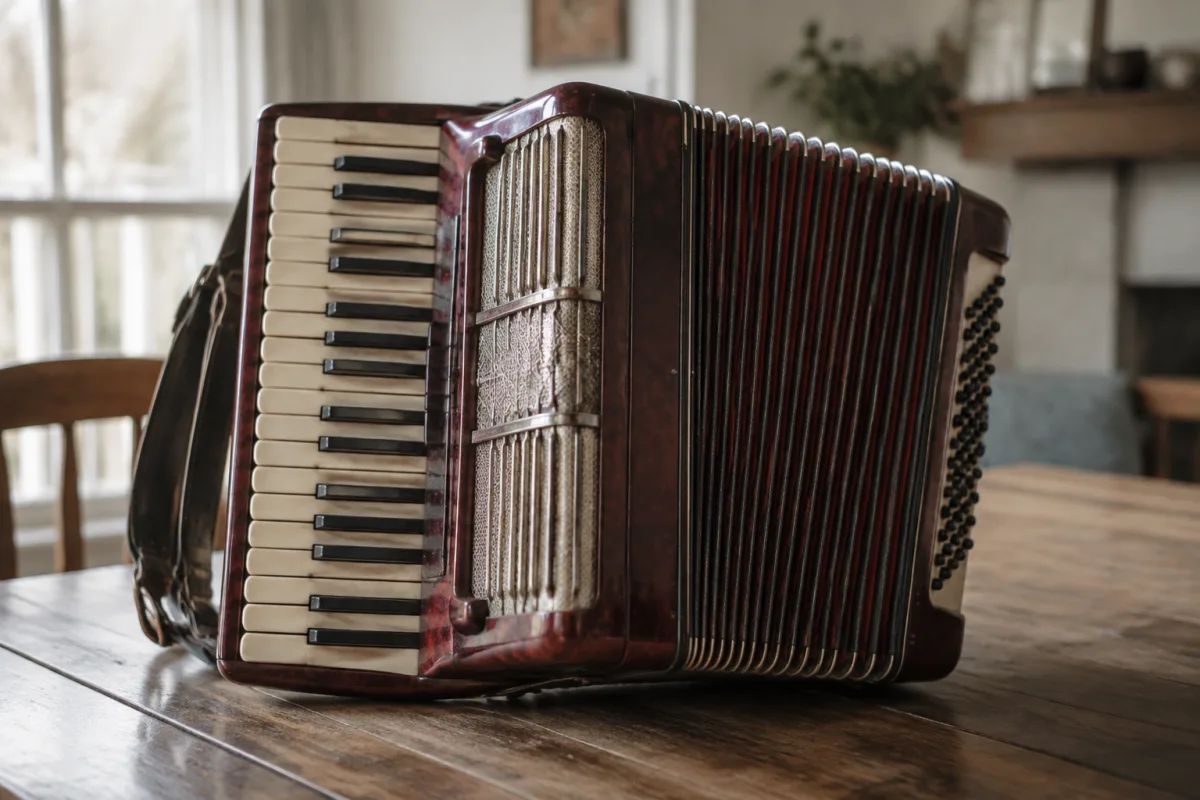
Finding the right accordion instrument for sale requires understanding the different types available, their quality levels and price ranges. Whether you're looking for a beginner-friendly accordion to start your musical journey, a professional-grade instrument for performance, or a collector's piece with historical value, the accordion market offers options at every price point and skill level. This guide walks you through the essential factors to consider when purchasing an accordion instrument and where to find quality options.
Types of Accordions for Sale
Accordions come in several distinct types, each with different sound characteristics and playing mechanics. Understanding these categories is the first step in finding an instrument suited to your musical goals.
- Piano Accordions: The most common type, featuring a piano-style keyboard on the right hand for melody and buttons on the left hand for bass accompaniment. Piano accordions range from 48 to 120 bass buttons and are available at all price levels.
- Button Accordions (Diatonic): Smaller and lighter than piano accordions, with a simpler reed system producing a brighter, more traditional sound. Popular in folk, Celtic and Eastern European music, diatonic accordions are an excellent choice for beginners due to their lower cost.
- Chromatic Button Accordions: Offering complete chromatic note access through a three-row button system, these instruments are favoured in tango, classical and jazz music. They demand more technical skill than diatonic models but provide greater musical flexibility.
- Concert Grand Accordions: Premium, full-featured instruments with 120 or more bass buttons and multiple reed ranks. These professional-grade accordions produce the richest, most complex sound and command the highest prices.
Choosing an Accordion Instrument by Skill Level
Your musical experience should guide your accordion selection. Beginners benefit from smaller, lighter instruments with simpler mechanics, whilst experienced musicians demand instruments capable of nuanced expression and wider musical range.
Beginner Accordions: Smaller diatonic or piano accordions (48-72 bass buttons) priced between £300–£1,000 make excellent starting points. These instruments are lighter, easier to manage and more forgiving for developing technique. Look for models with decent reed quality and a comfortable bellows action to build proper playing habits from the start.
Intermediate Accordions: Players progressing beyond basics often choose 80-96 bass piano accordions or quality chromatic button models in the £1,500–£3,500 range. These instruments offer richer sound, more secure construction and broader tonal possibilities whilst remaining portable enough for gigging musicians.
Professional Accordions: Concert-grade instruments with 120+ bass buttons, priced from £4,000 to £10,000 or more, are built for gigging professionals and recording artists. These accordions feature hand-selected reeds, superior bellows control and exceptional durability. Vintage or handcrafted models can exceed £15,000.
Key Features to Evaluate When Buying an Accordion
Several technical and construction details significantly affect playing quality and long-term value. Before committing to an accordion instrument purchase, examine these features carefully.
Reed Quality: The reeds—tiny metal pieces that vibrate to produce sound—are the heart of the accordion. Hand-selected reeds, especially in Italian or French instruments, produce superior tone and reliability. Budget accordions may use lower-grade reeds that produce a tinny or nasal sound.
Bellows: The bellows pump air through the reeds. Quality bellows feel responsive, control air pressure smoothly and seal completely without leaking. Test bellows action by playing single notes and chords to ensure consistent, reliable tone production.
Keyboard and Button Response: Keys and buttons should feel responsive without sticking or rattling. Try playing rapid passages to confirm the action is smooth and reliable under normal playing conditions.
Construction and Materials: Look for wooden frames, proper internal bracing and quality felt under key mechanisms. Accordions are precision instruments; poor construction compromises both sound and longevity.
Where to Buy an Accordion Instrument
Accordion instruments are available through several channels, each with distinct advantages and considerations. Specialised accordion retailers offer expert advice and usually provide instruments in good condition with warranty protection. Online marketplaces and classified sites offer wider selection but require careful inspection and may lack after-sale support. Antique and vintage dealers stock older instruments with character and often lower price tags, though vintage accordions require more maintenance expertise. Local music shops may have limited selection but allow hands-on evaluation before purchase.
Budget Guidance for Accordion Purchases
Accordion prices reflect quality, age and construction method. Budget £300–£1,000 for beginner diatonic or entry-level piano accordions suitable for learning. Intermediate players typically invest £1,500–£3,500 for instruments with richer sound and better playability. Professional or vintage instruments command £4,000–£15,000 or more depending on rarity and condition.
Avoid unusually cheap accordions—instruments priced well below market rates often have serious mechanical or sound issues that surface after purchase. Conversely, premium pricing doesn't guarantee quality; focus on sound, playability and construction rather than brand prestige alone.
Testing and Inspecting an Accordion Before Purchase
Always inspect and play an accordion instrument in person before buying, if possible. Test bellows response and air sealing by playing sustained notes and checking for consistent volume. Play full chords across the keyboard to ensure all notes are clear and in tune. Evaluate the bass button layout and action to confirm they suit your hand size and playing style. Listen for mechanical noise—squeaks, rattles or buzzing indicate wear or damage. Examine the exterior for cracks, moisture damage or heavy wear that might signal internal problems.
Accordion Maintenance and Longevity
A well-maintained accordion instrument can last for decades or longer. Accordions benefit from regular playing, which keeps internal mechanisms supple. Store instruments in a climate-controlled environment—humidity extremes can warp wood and damage reeds. Professional maintenance every 3–5 years keeps your accordion performing at its best. Hiring a qualified technician for annual cleaning and minor adjustments extends instrument life significantly.
Second-Hand and Vintage Accordion Instruments
Purchasing a used accordion instrument can offer excellent value, especially for quality vintage models that still play beautifully. Vintage accordions from established makers like Hohner, Scandalli and Pigini often appreciate in value and produce warm, distinctive tone. However, older instruments may need professional restoration—budget for inspection and repairs. Always purchase second-hand accordions from reputable dealers or after thorough personal evaluation to avoid inheriting hidden problems.


Comments