


Xylophone article
Xylophone Explained: Features, Types and Tips
A primer on the construction, range, types and uses of one of percussion's most recognisable instruments — with guidance on who plays it and why it matters.
The xylophone is one of the most recognisable percussion instruments in the world — familiar from primary school music rooms, professional orchestras and jazz recordings alike. Despite its ubiquity, it is often confused with similar instruments, and its technical requirements and range are less widely understood than its reputation suggests.
What Is a Xylophone?
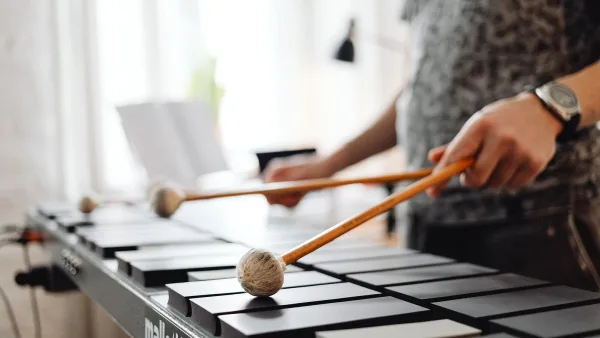
A xylophone consists of tuned wooden bars arranged in the pattern of a keyboard, struck with mallets to produce pitched notes. The word derives from the Greek for "wood sound" — accurate, since wood is the defining tonal material. The xylophone differs from the marimba (a lower-pitched, larger instrument with resonator tubes that produce a deeper, more sustaining tone) and from the glockenspiel (which uses metal bars rather than wood).
Construction
Professional xylophone construction uses rosewood or synthetic alternatives such as kelon or padouk for the bars. Rosewood produces a bright, cutting tone and ages well with consistent playing. Kelon bars are more resistant to humidity and temperature changes, which matters for working musicians and school instruments alike. A quality xylophone will have bars that are graduated in width and thickness to achieve correct pitch, with resonator tubes beneath each bar to sustain the sound.
Range and Types
The orchestral xylophone typically has a range of three and a half to four octaves, from around F4 to C8. This places it in the upper register of the percussion section. The concert xylophone is the standard in professional settings; the soprano model is a smaller, higher-pitched variant used in some educational contexts. The marimba-bass is a less common hybrid that extends the range downward.
Who Plays It
The xylophone appears in orchestral and chamber music, jazz (where it was prominent in the 1920s and 1930s), contemporary classical composition, and as an educational instrument in schools worldwide. Its bright, precise attack and rapid decay make it particularly suited to melodic lines that need to cut through an ensemble. Any serious percussionist will develop proficiency on it as a core instrument alongside marimba and vibraphone. For guidance on buying your first instrument, the complete buyer's guide covers what to look for at each price point.




Comments