


Pearl Drum Kit Buying guide
Pearl Drum Kit: A Complete Buyer's Guide
Choosing a Pearl drum kit means understanding shell materials, hardware quality and what genuinely matters across Pearl's product range from entry-level to professional.
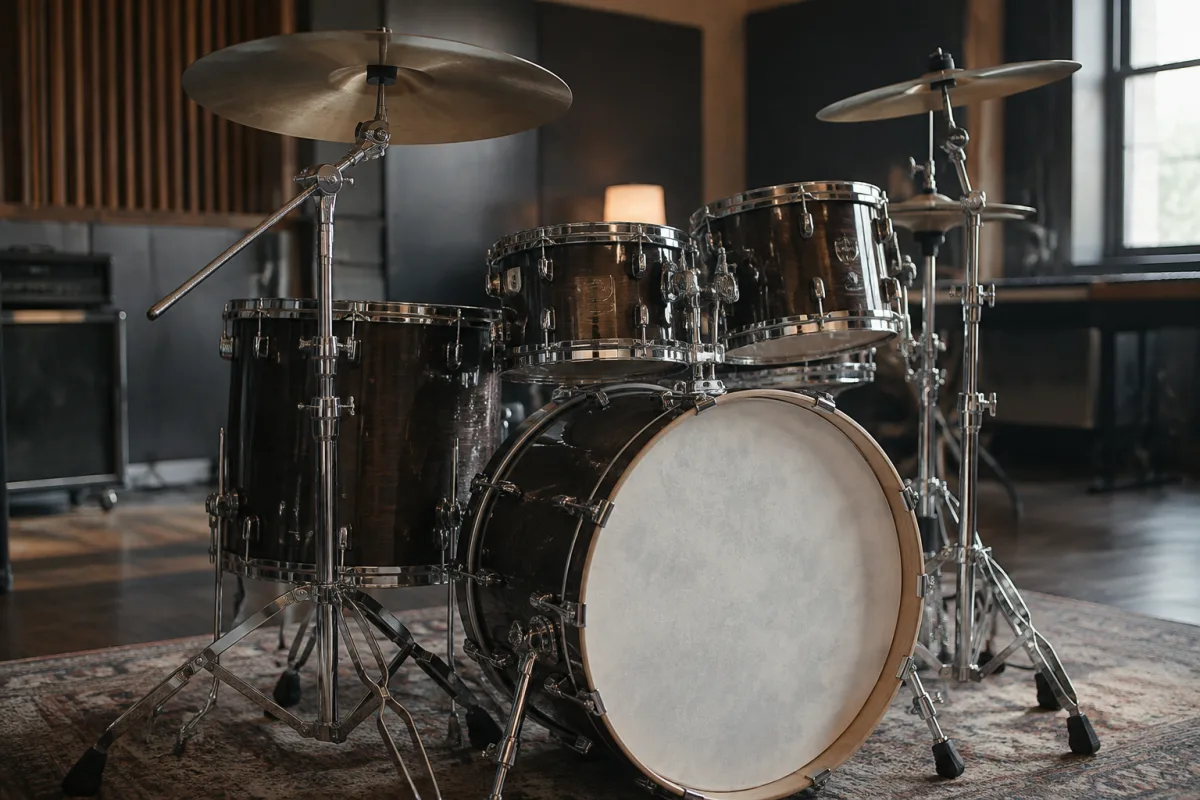
Buying a Pearl drum kit requires understanding the specific features, wood shells and hardware that separate genuine value from premium pricing. Whether you're building your first serious kit or upgrading after years of playing, I'm going to walk you through the practical decisions that actually matter – wood shell selection, hardware quality, hardware mount types and how Pearl's various series genuinely compare.
Understanding Pearl's Product Range
Pearl offers drum kits at every price point, from entry-level kits under £500 to professional instruments over £3000. Here's what genuinely distinguishes the ranges so you understand what you're actually paying for.
Entry-level Pearl kits use poplar or birch shells with basic hardware. They're genuinely solid instruments for learning, but hardware feels lighter and shells lack the warmth serious players prefer. Budget kits teach you everything about drumming fundamentals.
Mid-range kits feature better wood combinations, more responsive hardware and improved bearing edges. This is where Pearl's value genuinely shines – you're getting professional-quality drums at a price that makes sense for non-touring musicians.
Professional Pearl kits use premium maple, birch and mahogany combinations with precision-manufactured hardware. These kits suit touring musicians and recording studios where reputation and consistency matter more than cost.
Choosing the Right Shell Configuration
Pearl offers their kits in numerous shell configurations. The most useful starting point depends on what kind of music you're playing and what you'll upgrade later.
| Configuration | Typical Setup | Best For |
|---|---|---|
| 4-piece | Bass drum, Tom, Floor tom, Snare | Traditional rock, tight playing spaces, easy portability |
| 5-piece | Bass drum, High tom, Mid tom, Floor tom, Snare | Most popular, versatile, fits most music styles |
| 6-piece | Bass drum, High tom, Mid tom, Deep tom, Floor tom, Snare | Jazz, fusion, recording studios, sonic depth |
| 7-piece | Multiple toms offering maximum options | Progressive rock, experimental playing, studio use |
A 5-piece kit genuinely works for almost everything you'll encounter. It's not too complicated, offers genuine playing versatility and leaves room to add auxiliary toms or percussion later if your style develops.
Shell Materials and Sound Character
Pearl's shell materials directly shape your drum sound. Understanding these choices helps you pick kits that sound right for your ear and playing style.
Birch shells produce bright, cutting tones that slice through mixes. This makes them brilliant for rock and funk where definition matters. The wood is relatively hard, producing sharp attack and resonance that carries well in live venues.
Maple shells deliver warmth and projection. They sound expensive because they genuinely are – maple drums warm up a mix and project naturally without amplification. Professional players favour maple when budget allows.
Mahogany shells offer warmth between birch's brightness and maple's depth. They're brilliant for jazz and blues, where you want warmth without excessive brightness. Pearl often mixes mahogany with other woods to balance tone.
Poplar shells used in entry-level kits produce acceptable tone but lack definition. They don't cut through live mixes and feel less responsive during play, but they're genuinely adequate for practice and learning.
Hardware Quality and Mounting Options
Pearl's hardware varies by kit series. Better kits feature ball-bearing tom mounts that grip drums securely without excessive damping, whilst budget kits use simpler systems that work but feel less refined.
Check whether the kit uses suspension lugs or tom arms. Suspension lugs allow the drum to vibrate freely, producing better tone and resonance. Simple tom arms work but restrict vibration slightly.
Bass drum pedals on Pearl kits vary by price point. Budget pedals function adequately but lack the responsiveness and durability of mid-range and professional options. You may want to upgrade pedals separately if you're buying an entry-level kit.
Cymbal stands, hi-hat stands and snare stands should feel solid under playing. Wobbly hardware makes your kit exhausting to play during long sessions. Test them in person if possible.
Finish and Aesthetics
Pearl offers various finishes: gloss lacquer that looks beautiful but shows dust, satin finishes that hide marks better, and wraps that offer maximum design options. Finish is purely aesthetic – it affects appearance only, not sound or playability.
Choose the finish based on the aesthetic you prefer and how much maintenance you're willing to do. High-gloss looks stunning but requires regular cleaning. Wraps hide dirt and marks but can peel if damaged.
Common Purchasing Mistakes
Don't assume larger kits automatically sound better. A tight 4-piece with quality shells outplays a 7-piece with budget hardware and cheap shells. What matters is shell quality and hardware build, not piece count.
Avoid buying complete kits with cymbals unless the cymbals are genuinely acceptable quality. Better to buy shells and hardware separately, then add decent cymbals. Budget cymbals that come with kits are often the weakest link.
Don't overlook important hardware upgrades. Swapping the budget pedal for a professional-quality option makes playing noticeably easier and more responsive. Sometimes a £100 pedal upgrade makes a bigger difference than shell choice.
Resist pressure to buy the fanciest finish or most impressive specifications. A simpler kit you genuinely enjoy playing beats an expensive kit you resent for its price tag.
Trying Before Buying
Play Pearl kits in music shops before purchasing if at all possible. Feel the bearing edges, test the hardware, and most importantly, listen to the shell tone. Shell construction choices affect sound in ways no specification sheet captures.
Rent a kit for a week if you're spending significant money. Living with a kit for seven days reveals issues that brief shop trials won't show. Return it and buy something different if anything bothers you.
Making Your Final Decision
Choose a Pearl drum kit that fits your budget, sounds warm to your ear and features hardware solid enough for your playing style. The best kit is the one that inspires you to practise regularly and genuinely enjoy playing. For complete details about Pearl kits and drum fundamentals, check our complete guide to Pearl drum kits.



Comments