
Handpan Pan Drum article
The Complete Guide to Handpan Pan Drum
The handpan pan drum represents one of modern music's most captivating instruments, offering unique tones and meditative qualities that inspire musicians worldwide.
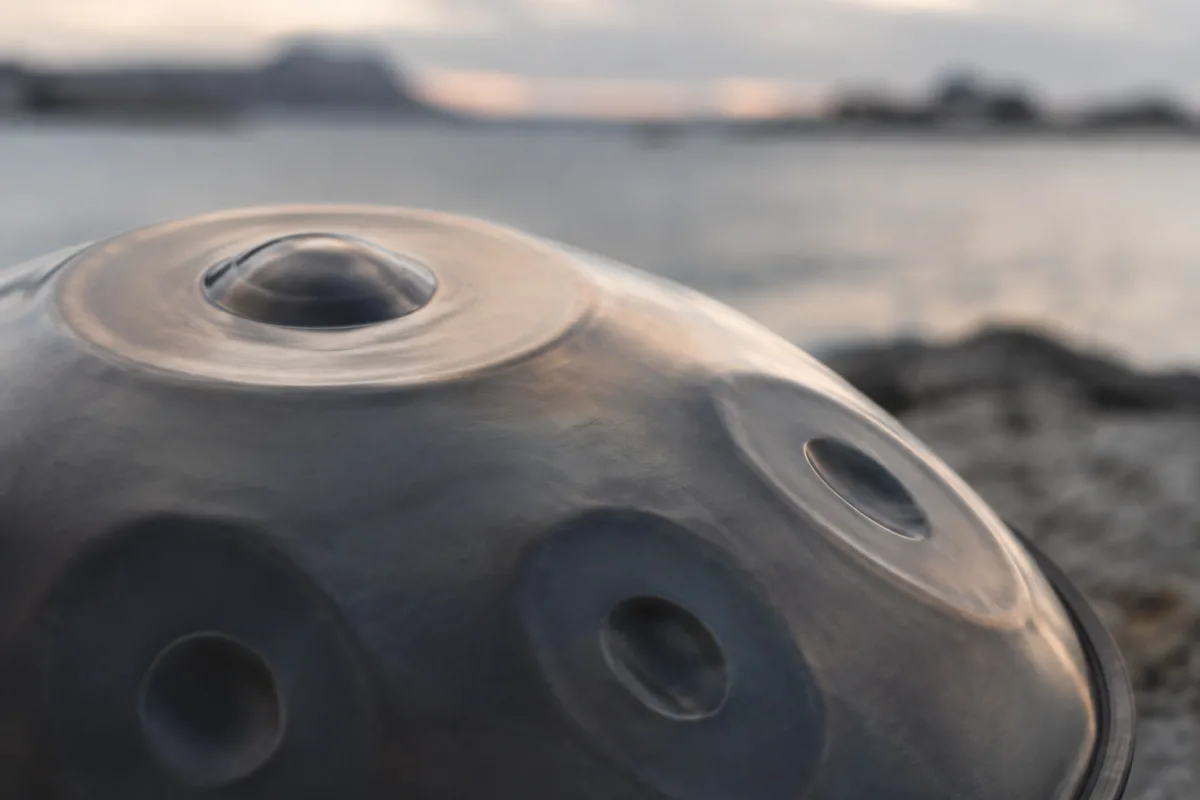
The handpan pan drum represents one of modern music's most captivating instruments, blending ancient percussion traditions with innovative design. Since emerging in the early 2000s, the handpan pan drum has fascinated musicians and listeners worldwide with its ethereal, meditative tones and intuitive playability. Whether you're exploring world music, seeking mindful creative outlets or simply discovering new sonic possibilities, understanding the handpan pan drum opens extraordinary musical avenues.
What Is a Handpan Pan Drum?
A handpan pan drum consists of two convex steel shells joined together, forming a UFO-shaped instrument struck with bare hands. The instrument derives its name from "Hand Pan," the original trademark created in Switzerland. The handpan pan drum typically measures 65–75 centimetres in diameter and weighs 4–5 kilograms, balancing portability with resonant depth.
The handpan pan drum's surface features precisely tuned notes arranged in circular patterns. Unlike keyboard instruments with linear note progression, the handpan pan drum presents notes spatially, encouraging intuitive exploration. Each handpan pan drum embodies the craftsman's artistry—subtle variations in tuning and resonance make every instrument unique.
Sound and Tonal Qualities
The handpan pan drum produces warm, complex tones ranging from low bass to high-pitched notes depending on striking location and technique. A skilled player draws ethereal sustained notes, resonant bass tones and shimmering harmonics from a single handpan pan drum. The instrument's acoustic design creates natural amplification without electronics, producing surprising volume from hand strikes.
Sound characteristics vary significantly between handpan pan drum makers. Some emphasise melodic clarity; others prioritise resonant sustain. The handpan pan drum's tuning system—whether pentatonic, hexatonic or other scales—influences available musical possibilities. This diversity means choosing a handpan pan drum requires considering personal sonic preferences.
Playing the Handpan Pan Drum
Unlike percussion instruments requiring mallets or sticks, the handpan pan drum is played exclusively with hands and fingers. This direct contact creates intimate connection between player and sound. Learning basic techniques—thumb strikes, finger taps, rolls and slaps—takes minimal time, making the handpan pan drum accessible to beginners.
The handpan pan drum's forgiving nature encourages artistic exploration. Mistakes sound musical rather than obviously wrong, enabling rapid confidence building. Seasoned musicians appreciate the handpan pan drum's depth, discovering nuanced techniques and advanced playing methods as skills develop. This accessibility-meets-complexity balance explains the handpan pan drum's broad appeal.
Handpan Pan Drum Makers and Quality
Numerous craftspeople worldwide manufacture handpan pan drums, each bringing distinctive approaches. Established makers like PANArt, the original creator, maintain premium reputations commanding high prices. Mid-level makers produce quality handpan pan drum instruments at moderate cost. Budget-conscious buyers find affordable handpan pan drum options from emerging manufacturers.
Quality in handpan pan drum craftsmanship directly correlates to playability and durability. Superior handpan pan drum instruments maintain consistent tuning, resist rust and develop patina enhancing tone over time. Inferior handpan pan drum models deteriorate faster, becoming increasingly difficult to play as metal fatigues.
Price Ranges and Value
Premium handpan pan drum instruments from renowned makers typically cost £2,000–£4,000 or more. Mid-range handpan pan drum options range from £800–£1,500. Budget handpan pan drum models cost £300–£800. Dramatic price variations reflect materials, tuning precision, maker reputation and market availability.
Investing in a quality handpan pan drum makes sense for serious players. A well-crafted handpan pan drum appreciates in value if maintained properly, sometimes becoming more desirable as the instrument ages. Budget handpan pan drum models provide entry points but require eventual upgrading as musicians' skills and expectations develop.
Maintenance and Care
Protecting your handpan pan drum requires understanding its vulnerability. Steel oxidises through moisture exposure; protecting your handpan pan drum means storing it in dry environments. Many handpan pan drum players apply protective coatings or oils periodically, developing characteristic patina that protects underlying steel.
Transport demands careful handling—dropping or striking the handpan pan drum against surfaces risks permanent damage. Most handpan pan drum owners invest in protective cases or gig bags. Regular inspection identifies early rust development, allowing preventative treatment before damage worsens. Proper care keeps your handpan pan drum sonically consistent and structurally sound for decades.
Musical Applications and Genres
The handpan pan drum's versatility spans multiple musical contexts. World music ensembles incorporate the handpan pan drum alongside traditional instruments. Contemporary classical composers feature the handpan pan drum in orchestral and chamber works. Electronic music producers layer handpan pan drum recordings with synthesisers. Therapeutic and meditation practitioners utilise the handpan pan drum's meditative properties.
Street performers often feature the handpan pan drum, captivating audiences with spontaneous improvisation. The handpan pan drum's aesthetic appeal—both visual and sonic—creates compelling busking experiences. Its portability makes the handpan pan drum ideal for mobile musicians and touring performers.
Finding Your First Handpan Pan Drum
Beginners should prioritise trying multiple handpan pan drum instruments before purchasing. Makers' websites often feature audio samples; listening identifies sonic preferences guiding your handpan pan drum selection. Connecting with handpan pan drum communities online provides peer recommendations and market knowledge.
Consider purchasing from established handpan pan drum makers offering satisfaction guarantees or return policies. Some handpan pan drum artisans maintain long waiting lists; early ordering secures desired instruments. Second-hand handpan pan drum markets offer value opportunities, though inspecting condition carefully prevents purchasing damaged instruments.
Conclusion
The handpan pan drum offers unique musical and meditative rewards to anyone drawn to its captivating sound. Whether you approach the handpan pan drum as a contemplative practice, ensemble musician or solo performer, this remarkable instrument rewards patient exploration with profound musical satisfaction. Invest time discovering handpan pan drum makers, hear instruments before purchasing, and allow yourself to fall in love with the right instrument for your journey. Your handpan pan drum awaits.



Comments