
Electronic Drum Kit Pads article
The Complete Guide to Electronic Drum Kit Pads
Electronic drum kit pads are the striking surfaces that convert your strikes into electronic signals. Understanding pad types, materials and features is essential to choosing the right electronic drum setup.
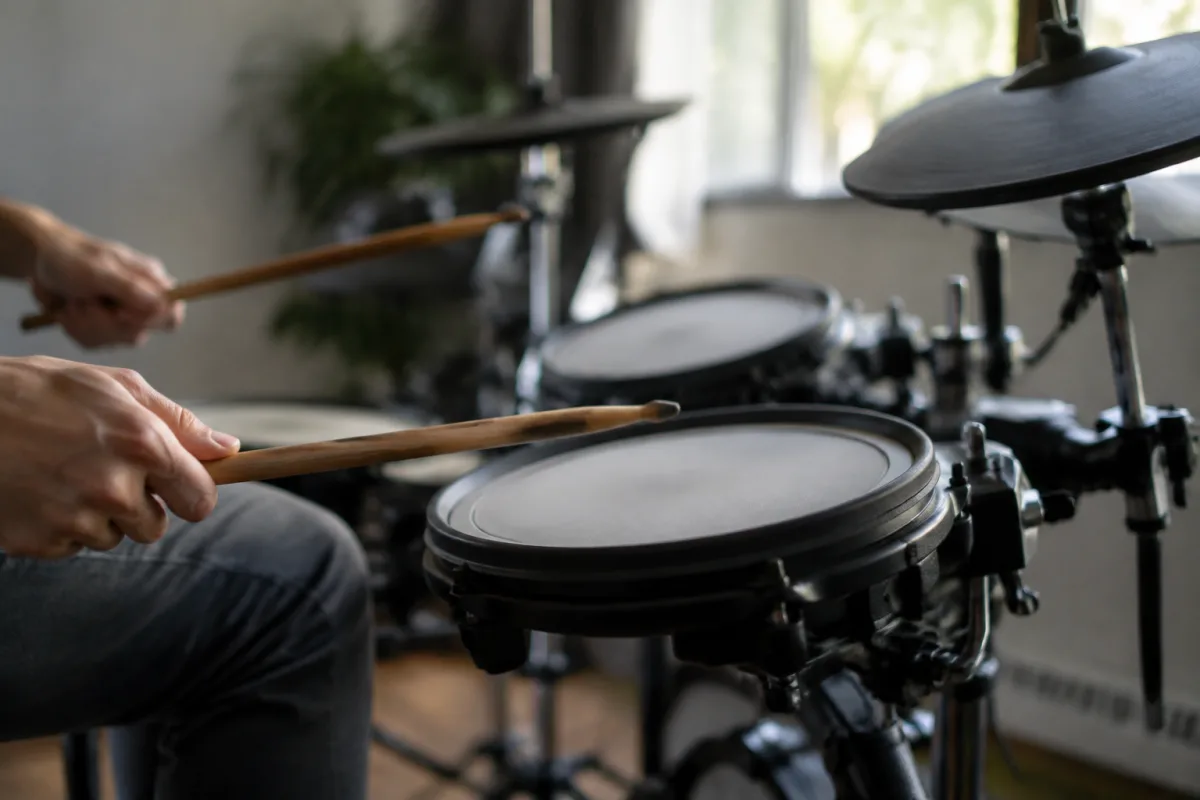
Understanding Electronic Drum Kit Pads
Electronic drum kit pads are the striking surfaces that form the core of any electronic drum setup. Whether you're a professional drummer transitioning to electronic kits or a bedroom producer exploring beat-making, understanding the different types and qualities of drum pads is essential to finding the right instrument for your needs. Pads come in various materials and configurations, each offering distinct responsiveness and durability characteristics that directly affect your playing experience.
What Are Electronic Drum Pads?
Electronic drum pads are pressure-sensitive surfaces that convert physical strikes into electronic signals. When you hit a pad, it registers the velocity and position of your strike, transmitting that data to the sound module or controller. Unlike acoustic drums that produce sound through vibration, electronic pads simply send MIDI or audio signals to trigger sounds—whether drum samples, synthesized tones or anything in between. This fundamental difference makes electronic pads incredibly versatile, allowing a single kit to produce hundreds of different sounds.
The pad itself contains a sensor layer beneath the playing surface that detects impact and pressure. Common sensor technologies include piezo sensors, capacitive sensing and mesh technology, each with different sensitivity curves and responsiveness profiles.
Types of Electronic Drum Pads
Several pad technologies dominate the market today, each with distinct advantages:
Rubber Pads
Traditional rubber pads have been the industry standard for years. They're durable, relatively inexpensive and provide a quick, bouncy response. Rubber pads work well for high-velocity playing and styles that benefit from quick rebound. However, they can feel somewhat plasticky and don't replicate the natural feel of acoustic drum heads. They're ideal for beginners and players primarily focused on electronic sound design rather than acoustic realism.
Mesh Heads
Mesh drum heads—often made from woven synthetic materials—offer a significantly more realistic playing experience. They absorb energy better than rubber, providing a quieter strike with a more natural feel beneath the stick. Professional electronic kits predominantly use mesh heads because they reduce noise bleed, improve strike definition and allow for easier dynamic control. The downside is that mesh heads wear out faster than rubber and require periodic replacement, adding to long-term maintenance costs.
Silicone Pads
Silicone pads occupy a middle ground between rubber and mesh. They offer improved feel and quieter operation compared to rubber whilst maintaining excellent durability. Some drummers prefer silicone for its warm, organic response, though it's less common than rubber or mesh in modern kits.
Sensitive Pads for Triggers
Many electronic kits include thin, highly sensitive trigger pads for cymbals and percussion elements. These aren't meant for traditional striking; instead, they're designed to respond to light touches and specific playing techniques. Trigger pads often use capacitive technology to detect proximity as well as direct contact.
Key Pad Features to Evaluate
When selecting an electronic drum kit, consider these crucial pad characteristics:
- Sensitivity: Adjustable sensitivity lets you control how hard you need to strike the pad to trigger a sound at full velocity. More sensitive pads suit lighter playing styles, whilst less sensitive pads accommodate powerful strikers.
- Noise Level: Mesh pads produce significantly less ambient noise than rubber. If you live in noise-sensitive environments, mesh heads are worth the investment.
- Strike Zone: Larger pads provide more playable area and forgiveness for off-center strikes. Professional kits typically feature 10-inch or larger toms.
- Velocity Response: The pad should accurately capture dynamic variations in your striking force. High-quality pads show linear velocity response across the full dynamic range.
- Crosstalk Rejection: Better pads minimize crosstalk—unwanted triggering when striking adjacent pads. Quality sensor design and shielding reduce this problem.
Durability and Maintenance
Electronic drum pads don't produce sound through physical vibration, so they wear quite differently than acoustic drum heads. Rubber pads typically last several years with normal playing, gradually losing responsiveness as the material hardens. Mesh heads usually require replacement every 6–18 months depending on playing intensity and technique.
Most professional kits offer replaceable pad surfaces, allowing you to extend the kit's lifespan without replacing the entire pad assembly. When shopping, check whether replacement heads are available, affordable and easy to install. Some manufacturer ecosystems make pad replacement straightforward, whilst others charge premium prices or make the process unnecessarily complicated.
Electronic Pads vs Acoustic Drums
Here's how electronic pads compare to traditional acoustic drum heads:
| Feature | Electronic Pads | Acoustic Heads |
|---|---|---|
| Sound Variety | Virtually unlimited—hundreds of samples and synths | Single sound per drum (unless retuning) |
| Noise Level | Minimal (especially mesh) | Very loud |
| Feel | Variable; mesh approaches acoustic realism | Natural, organic feel |
| Maintenance | Occasional pad replacement | Frequent head changes and tuning |
| Recording | Direct MIDI/audio output to computer | Requires microphones and isolation |
| Space Requirements | Compact setups possible | Full acoustic kit is bulky |
Choosing the Right Pads for Your Needs
Your choice depends on your budget, playing style and primary use case. If you're primarily making electronic music in a home studio and noise is a concern, mesh pads are essential—their quiet operation and realistic feel justify the higher cost. For live touring, durability and consistency matter most; look for robust pads with proven reliability under demanding conditions.
Beginners often start with rubber pads because of their affordability and resilience to less refined technique. As skills develop and sonic priorities become clearer, many drummers upgrade to mesh for improved responsiveness and feel. Professional-grade pads from established brands like Roland, Yamaha and Alesis typically offer better sensor technology, smoother velocity curves and longer lifespan than budget alternatives.
Bottom Line
Electronic drum pads are the foundation of your electronic percussion setup. The pad material, sensor technology and overall build quality directly influence how the kit feels, sounds and responds to your playing. Whether you choose rubber for simplicity, mesh for realism or something in between, selecting pads that match your playing style and sonic goals will significantly enhance your electronic drumming experience. Quality pads enable more expressive playing, better dynamic control and more enjoyable practice sessions—making them an investment worth serious consideration.


Comments