
Electronic Drum Kit Alesis article
The Complete Guide to Electronic Drum Kit Alesis
Alesis electronic drum kits offer affordable, space-efficient drumming for learners and producers. Discover which model suits your needs and budget.
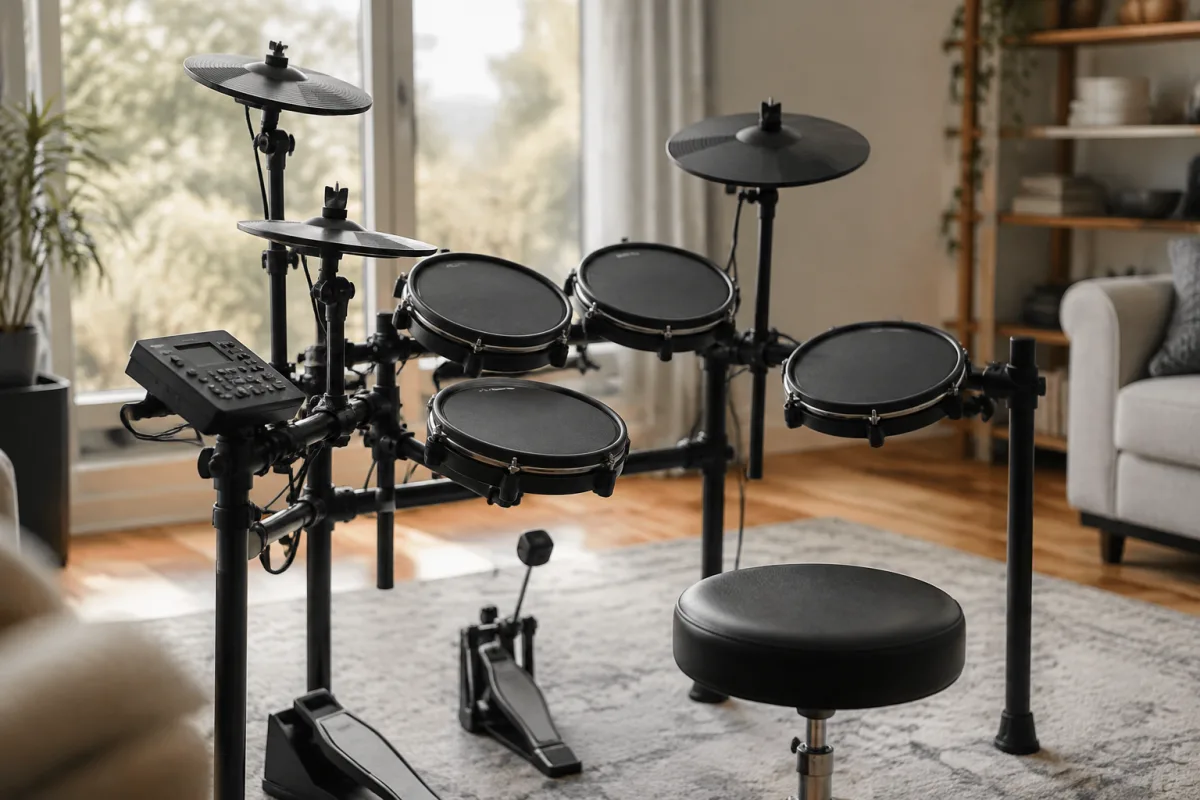
Alesis electronic drum kits have become a go-to choice for drummers seeking an affordable, space-efficient alternative to acoustic kits. Whether you're learning drums in a flat, rehearsing with a band, or producing music in a home studio, an electronic drum kit from Alesis offers solid build quality, reliable performance, and enough sound versatility to suit most musical needs without breaking the bank.
Why Choose an Electronic Drum Kit from Alesis?
Alesis is one of the most recognisable names in home music production and affordable electronic percussion. The brand has built its reputation on delivering practical, no-nonsense instruments that do the job reliably. An electronic drum kit from Alesis typically costs £200–£1500 depending on features and configuration, making them significantly cheaper than comparably equipped acoustic kits. They also take up a fraction of the space, produce sound only through headphones or monitors (making them perfect for quiet practice), and require minimal maintenance.
Beyond affordability, Alesis electronic drum kits integrate well with modern music production: they output MIDI, sync with DAWs (Digital Audio Workstations), and many include USB connectivity for direct recording into your computer. This makes them ideal for songwriting, beat production, and electronic music.
Popular Alesis Electronic Drum Kit Models
Alesis makes several electronic drum kit series at different price points. The Nitro series (roughly £300–£500) is their entry-level offering, featuring eight drum pads, simple sound engine and modest build. The Strike series (£800–£1500) represents their higher-end option, with more pads, advanced sound engine, better speakers and more professional build quality. The Commandix and other models fill gaps in between, each targeting a specific market.
Each series comes in different configurations: a starter kit typically includes a snare pad, tom pads, kick pad, hi-hat pad, cymbal pad and a small mixer/sound module. Expanded kits add extra pads for more flexibility. The differences between models mainly come down to number of sounds, pad quality, build materials and included software.
Key Features of Alesis Electronic Drum Kits
- Drum pads: Alesis kits use soft, velocity-sensitive pads that trigger samples when struck. Better models have more responsive pads and better positional sensing (meaning where you hit the pad affects the tone).
- Sound module: The brain of the kit; it houses drum sounds, effects and controls. Entry-level modules have fewer sounds (~50–100); professional models have hundreds or thousands.
- Kick pedal: Most Alesis kits include a basic kick pedal; higher-end models have more robust pedals that feel closer to acoustic kick technique.
- Hi-hat pedal: Controls open and closed hi-hat sounds. Better kits have smoother, more responsive pedals.
- Connectivity: USB, MIDI and audio outputs are standard on most Alesis kits, letting you connect to computers, monitors and headphone amplifiers.
- Drum sounds: Alesis kits include samples of acoustic drums, electronic sounds, and percussion from other genres. Quality varies by model.
- Recording capability: Built-in recording lets you capture your playing directly on the module; many also support USB recording into a DAW.
Build Quality and Durability of Alesis Kits
Alesis electronic drum kits use primarily plastic and lightweight metal for the rack and pads. This keeps the price down but means they're not as robust as professional kits. Entry-level models (Nitro series) feel lightweight and can flex slightly during vigorous playing. Mid-range and higher models use stronger materials and more stable racks. For home use and moderate rehearsal, Alesis kits hold up fine; for heavy touring or aggressive playing, expect more wear over time.
The pads themselves are fairly durable if treated well, but they're not indestructible. Dropping a kit or exposing it to extreme temperature swings can damage electronics. Most users report good longevity (5–10+ years) with reasonable care. The sound module is the most reliable component; pads are more prone to wear if played hard repeatedly.
Sound Quality and Customisation
Alesis sound modules include a selection of acoustic drum kits, electronic sounds, and world percussion. Entry-level modules offer basic sounds that are perfectly usable but not as rich or nuanced as expensive modules. Higher-end Alesis kits and professional external modules (like Roland or Yamaha) provide more detailed, layered sounds with better effects. Many Alesis kits accept external sound packs or firmware updates, allowing you to expand beyond the built-in sounds.
MIDI connectivity is powerful: you can trigger sounds from your DAW or external sound modules, meaning the pads become a controller for any drum sound you choose. This flexibility makes Alesis kits excellent for music production and experimentation.
Alesis Electronic Drum Kit vs Acoustic Drums: A Practical Comparison
| Aspect | Alesis E-kit | Acoustic Kit |
|---|---|---|
| Cost | £300–£1500 | £800–£3000+ |
| Space | Compact, fits small rooms | Takes up significant floor space |
| Noise | Quiet with headphones; pads make soft clicking | Very loud; needs soundproofing |
| Sound variety | Hundreds of sounds instantly | One set of acoustic tones per kit |
| Maintenance | Minimal; electronics occasionally | Regular tuning, head replacement, repairs |
| Feel | Differs from acoustic; smaller pads | Authentic feel; most drummers prefer it |
| Recording | Direct USB to computer; very convenient | Requires microphones and audio interface |
Learning Drums on an Alesis Kit
Alesis electronic drum kits are excellent for learning drums. The pads are sensitive to dynamics (hitting harder produces a louder sound), so you develop proper technique. Many kits include drum tuition software and backing tracks. The main difference from acoustic drums is pad size and feel—acoustic kits have larger playing surfaces and a warmer rebound. Beginners often adapt quickly; if you later move to acoustic drums, the fundamental skills transfer well.
Professional drummers may prefer acoustic kits for their authentic feel, but many professionals use electronic kits for rehearsal, songwriting and quiet practice specifically because of their convenience.
Setting Up and Using an Alesis Electronic Drum Kit
Assembly takes 1–2 hours if you follow the manual. The rack clamps together easily, and pads simply plug in via 3.5mm or proprietary connectors. Power the module, connect your hi-hat and kick pedals, put on headphones, and start playing. USB connection to a computer is straightforward: many DAWs automatically detect MIDI input once plugged in.
Most users also invest in: a proper drum throne (seat) for comfortable, correct posture; a pair of drum sticks suited to pad playing (slightly softer/shorter than acoustic drumsticks); and quality headphones for practice. These accessories add perhaps £100–200 but improve the experience significantly.
Where to Buy and What to Expect
Alesis kits are widely available online and in music retailers. Compare prices, as they fluctuate seasonally. Check return policies and warranty (typically one year from purchase). If possible, test a model at a retailer before buying online; not all hands-on players love the feel of electronic pads, so a quick try before committing is worthwhile.
Conclusion
An electronic drum kit from Alesis is a practical, affordable entry point into drumming or an excellent tool for music production and quiet practice. Whilst not as robust or authentic-feeling as professional kits, Alesis offers reliability, versatility and value. Whether you're a curious beginner, a flat dweller seeking quiet practice, or a producer looking for MIDI control, an Alesis electronic drum kit delivers what most home musicians need at a price that won't cause regret.


Comments