
Pan Drums article
The Complete Guide to Pan Drums
Pan drums, or steel pans, are a unique percussion instrument originating in Trinidad and Tobago that create surprisingly melodic tones from specially tuned steel barrels. Explore the instrument's remarkable history and cultural significance.
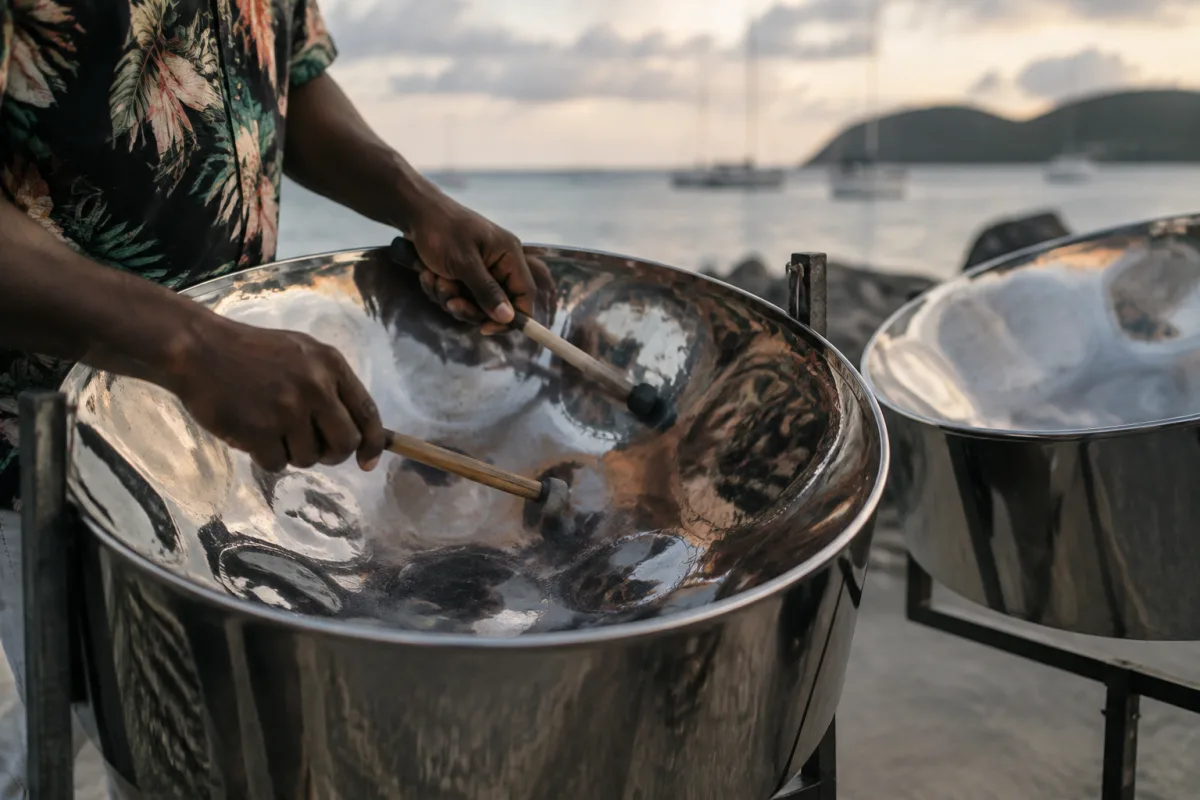
Pan Drums: Steel Pans and the Caribbean Percussion Tradition
Pan drums, commonly known as steel pans or steel drums, represent one of the world's most distinctive percussion instruments. Originating in Trinidad and Tobago in the 1930s, pan drums emerged from improvisation and musical necessity when players discovered that discarded oil barrels could produce surprising melodic possibilities. Today, these remarkable instruments blend traditional Caribbean rhythms with contemporary music across genres, from calypso and soca to jazz and orchestral settings. The pan drum's unique voice and rich cultural heritage continue inspiring musicians and audiences worldwide.
Origins and Cultural Significance
The steel pan's invention occurred during a period of restricted drum playing in Trinidad, when the colonial authorities banned traditional African drums in attempts to suppress African cultural expression. Musicians responded with extraordinary creativity, discovering that metal containers discarded from industrial facilities could create beautiful, tuneful sounds. The earliest pan drums, crafted from biscuit tins and other found metal objects, gradually evolved into the sophisticated instruments of today.
Pan drums quickly became central to Trinidad's Carnival celebrations and musical identity. The annual Panorama competition showcases the finest pan orchestras, an event of enormous cultural and national importance. The instrument evolved from marginal status to become a symbol of Trinidadian pride and cultural achievement, with government recognition and international prestige following decades after its humble origins.
Instrument Construction and Types
A steel pan consists of a single piece of metal—typically a 55-gallon steel oil drum—carefully shaped, tuned and prepared to produce specific pitches. The playing surface features numerous indented note fields, each tuned to a precise frequency. Pan makers heat-treat the steel through a complex process involving burning, shaping and tuning that takes considerable skill and experience. The bottom of the drum remains open, allowing sound to resonate freely through the instrument's chamber.
Pan orchestras feature several distinct pan types, each with its own register and role:
- Lead pan: The highest-register pans carrying the main melody, typically played by the most skilled performers
- Double seconds: Mid-register pans supporting the harmonic structure beneath the lead pan
- Cello pan: Lower-register pans providing bass lines and harmonic foundation
- Bass pan: The lowest-register instruments anchoring the ensemble's rhythmic and harmonic base
Additionally, some pan orchestras include cymbals, drums and other percussion to provide rhythmic texture and drive. Solo pans played by individual musicians in jazz and contemporary contexts sometimes feature a wider range designed for versatile performance across different musical styles.
Playing Technique and Musicality
Pan drummers strike the note fields with sticks typically topped with rubber mallets, though the mallets' hardness and composition vary depending on the musical style and desired tone. The technique requires precision and sensitivity, as the angle and force of each strike dramatically affects both pitch and tone colour. Professional pan players develop exceptional control, executing rapid passages, complex rhythmic patterns and subtle dynamic variations.
The pan drum's voice combines the clarity of percussion with the sustained, singing quality more commonly associated with stringed instruments. Players can achieve impressive musical expression through judicious use of dynamics, mallet selection and striking position, making the pan drum suitable for romantic ballads and contemplative pieces as well as energetic, driving rhythmic music.
Pan Orchestras and Ensemble Playing
In traditional carnival and concert contexts, pan drums perform within large orchestras featuring ten to one hundred or more players. These ensembles create rich, complex harmonic textures and dramatic dynamic ranges impossible to achieve with solo pans. The arrangement of pans within the orchestra reflects both practical acoustics and traditional performance practice, with pans positioned to balance sound projection and ensemble cohesion.
Pan orchestras have emerged as genuine orchestral ensembles capable of performing sophisticated arrangements spanning classical, contemporary, jazz and traditional repertoires. Some orchestras achieve professional status, performing on international stages and recording commercially. The musical possibilities of well-rehearsed pan orchestras rival those of conventional orchestras in range, sophistication and emotional impact.
Contemporary Pan Drum Usage
Beyond traditional carnival contexts, pan drums have found homes in jazz ensembles, contemporary classical compositions and world music settings. Jazz musicians appreciate the instrument's tonal subtlety and rhythmic flexibility. Contemporary composers write increasingly ambitious solo and chamber works featuring pan drums. World music practitioners blend pan drums with instruments from various traditions, creating unique fusion styles that honour the instrument's origins whilst pushing it in new directions.
Educational institutions increasingly recognise pan drums' pedagogical value, introducing them in school music programmes and university-level studies. This exposure helps develop new generations of pan players and ensures the instrument's continued cultural vitality and evolution.
Challenges and Future Perspectives
Pan drum makers face challenges including access to suitable steel and the considerable time required to craft and tune each instrument. Climate and humidity changes affect tuning stability, requiring skilled maintenance and adjustment. Despite these practical challenges, interest in pan drums continues growing globally. International pan festivals, competitions and training programmes ensure the instrument's continued development and cultural transmission.
Learning Pan Drums
Learning pan drum requires finding qualified instruction from skilled pan players familiar with the instrument's unique requirements. Unlike most percussion instruments, pan playing demands distinct technique and approach. Beginners benefit most from direct mentorship within a pan orchestra community. Rhythm and basic musicality provide foundations, but the pan drum's particular voice and technique require patient, dedicated study.
The Pan Drum's Global Influence
What began as ingenious adaptation by Trinidadian musicians has evolved into a genuinely international musical phenomenon. Steel pans contribute to soundtracks, television productions and concert performances worldwide. Musicians from countless countries have adopted and championed the instrument, creating new musical traditions whilst honouring its Caribbean origins. The pan drum's story exemplifies how cultural creativity and musical innovation can transcend geographic and economic barriers.
Conclusion
Pan drums represent a remarkable fusion of necessity, creativity and musical excellence. From their humble beginnings as repurposed industrial materials, they have evolved into sophisticated instruments commanding respect from musicians and audiences worldwide. Whether experienced through traditional carnival celebrations, contemporary jazz settings or classical compositions, pan drums continue captivating listeners with their unique voice and rich cultural heritage. For musicians seeking percussion instruments that combine distinctive tonal character with remarkable versatility, pan drums offer compelling possibilities.


Comments