


Natal Drums Buying guide
Natal Drums: A Complete Buyer's Guide
Buying Natal Drums means understanding shell construction, bearing edge precision, hardware quality, and which series matches your playing level. This guide covers key specs and price-to-performance considerations.
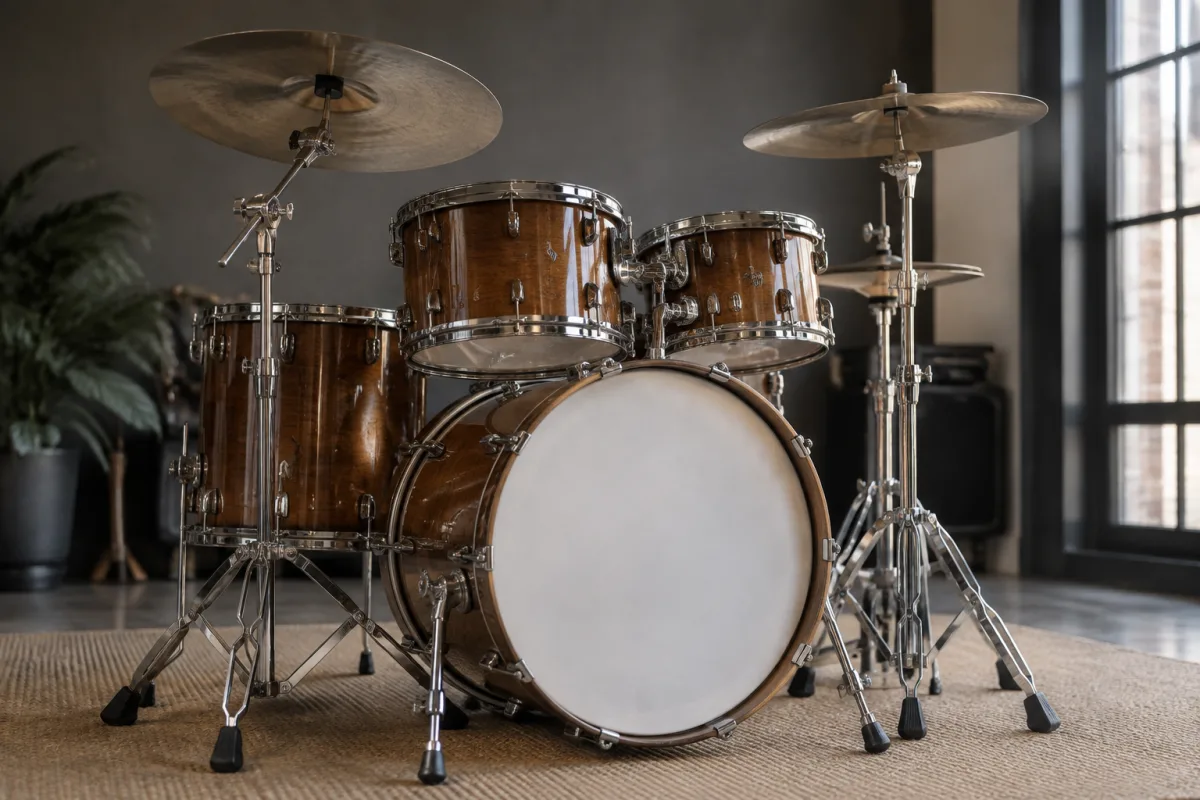
When shopping for acoustic drum kits, Natal Drums represents a compelling option for drummers seeking quality craftsmanship without the premium pricing of vintage kits or entry-level territory. Buying Natal drums involves understanding which series fits your playing style, budget constraints, and whether their construction philosophy aligns with your priorities. This buying guide walks you through the specifications and design choices that differentiate Natal kits so you can make an informed purchase decision.
Natal Drums Brand Heritage and Positioning
Natal stands as a British-built drum manufacturer with a solid reputation for quality construction and design innovation. Unlike vintage American manufacturers with century-long histories, Natal has built credibility through consistency and responsive customer relationships. They occupy the middle territory in drum manufacturing: above student-grade kits, below ultra-premium artisanal makers. Their positioning means you're typically getting genuine improvements in shell construction, bearing edge precision, and hardware quality over beginner kits, but not paying for historic cachet or rare wood scarcity. Understanding where Natal sits in the broader market helps you assess whether their offerings match your actual needs and budget constraints.
Shell Construction and Wood Selection
Natal offers kits using different ply configurations, wood types, and finishing approaches. Their standard construction uses multiple-ply maple or birch shells with professional-grade bearing edges. The number of plies affects both tone and durability: more plies provide darker tones and greater durability, fewer plies deliver brighter response and faster decay. Birch shells tend toward brightness and projection; maple offers warmer mids and controlled sustain. Rather than assuming "better" wood exists, consider your playing style: jazz drummers often prefer birch's punch; rock drummers may gravitate toward maple's warmth. Examine the specific ply count (typically 6, 7, or 8 plies) and wood combination in the series you're considering. Some Natal ranges use hybrid approaches, blending woods strategically—for instance, maple shells with birch reinforcement rings. This hybrid approach offers tonal balance without paying for single-wood purity you might not exploit.
Bearing Edge Precision and Tuning Range
Quality drum shells demand precision bearing edges—the curved edge where the drumhead makes contact. Cheap drums have rounded, imprecise bearing edges; quality drums have sharp, consistently shaped edges machined to specifications. Natal invests in proper bearing edge work across even mid-range kits, directly affecting how cleanly shells tune and how much flexibility you have in achieving specific sounds. A precisely engineered bearing edge extends your tuning range, meaning a single kit can serve multiple musical contexts without sounding forced. When evaluating Natal kits, ask about their bearing edge specifications. Premium series feature tighter tolerances than budget offerings, justifying the price difference through tangible performance gains.
Hardware Quality and Mounting Systems
Hardware isn't cosmetic—it's fundamental to tuning stability and overall kit reliability. Natal equips different series with proportionate hardware complexity. Entry-level Natal kits use solid hardware that's adequate for most purposes but not competition-grade. Mid-range kits feature lugs with better internal tolerances and mounting systems that resist lug wobble during heavy playing or tuning adjustments. Premium series employ bearing-equipped tom mounts and die-cast lugs that maintain shell alignment even during aggressive playing. Tom mounting systems particularly matter: suspended mounts isolate toms from bass drum vibration, improving tom clarity and reducing feedback. Rack tom systems differ from cymbal-stand mounting; some drummers have strong preferences based on their setup and playing style. Examine the specific hardware on whichever series you're considering rather than assuming all Natal hardware is identical.
Finish Options and Aesthetics
Natal offers various wrap and coating options: standard lacquered finishes, wraps that simulate wood grain, matte finishes for stage performance, and specialty colours. Aesthetics matter psychologically—you perform better on a kit you love looking at—but don't let aesthetics override sonic considerations. Wraps do protect shells from handling damage and weather exposure, making them practical for gigging drummers. Lacquer finishes showcase the wood grain and age gracefully, developing patina over years of playing. Matte finishes photograph well and reduce stage glare but show fingerprints more noticeably. Match the finish to your playing environment: studio recording benefits from finishes that look good on camera; touring drummers benefit from wraps that hide wear; home practice drummers can prioritize sound over aesthetics. All Natal finish options are durable, so your choice here is genuinely lifestyle-driven rather than quality-determined.
Kit Configurations and Accessory Packages
Natal sells kits in various configurations: 4-piece, 5-piece, 6-piece, plus options for additional toms and snare drums. A standard 5-piece includes bass drum, tom, floor tom, and snare, providing versatile coverage for most musical contexts. Additional toms add complexity and sonic options but increase setup time and require additional mounting hardware. Consider your physical space: apartment drummers shouldn't buy 6-piece kits requiring multiple cymbal stands in a small room. Examine whether your chosen configuration includes critical accessories: cymbal stands, hi-hat stand, drum throne, and snare stand. Some packages bundle accessories; others require separate purchasing. Factor accessory costs into your total outlay because a kit without a quality throne and stands essentially requires additional spending before you can actually play it.
Price-to-Performance Sweet Spots Within Natal's Range
Natal offers numerous series at different price points. Their entry-level Artist Birch series provides genuine quality at accessible pricing, making it popular with advancing students and amateur players. Mid-range Performax series step up hardware and ply precision, addressing semi-professional players preparing for consistent gigging. Premium Ash series and custom shop options serve professionals willing to pay for specialised configurations and premium materials. Rather than automatically buying the premium option, honestly assess your playing level and commitment. A student or hobbyist player might achieve 90% of professional sound with an Artist series kit at 60% the cost of premium options. Conversely, a working drummer recording or touring professionally benefits from premium Natal specifications that maintain consistency across thousands of playing hours.
Resale Value and Long-Term Ownership Considerations
Acoustic drums don't depreciate as severely as many instruments, but brand reputation affects resale. Natal drums maintain decent resale value through British reverb and Craigslist because they're recognised as quality-built. Unlike boutique builders with passionate but small followings, Natal's wider recognition means you won't struggle finding buyers if you eventually sell. Maple and birch shells age well aesthetically, developing character over years without cracking or warping (assuming reasonable humidity control). This longevity means your Natal purchase might serve you for decades, making initial cost-per-year remarkably reasonable. When comparing prices between Natal and competitors, factor in this durability; premium initial cost becomes economical across 10-year timespans.
Testing and Trying Before Buying
Acoustic drums are deeply personal—tone preferences vary wildly between players and musical contexts. Visit music retailers that carry Natal kits and play them extensively. Play various tom pitches, experiment with tuning adjustments, and compare directly against competitor kits. Your hands are the ultimate judges; specifications don't capture how a kit *feels*. Some retailers allow trial periods or return policies; exploit these opportunities rather than committing sight-unseen. If local retailers don't stock Natal, research online communities, YouTube reviews from working drummers, and drum publications like Modern Drummer for recordings and opinions. Our complete guide to Natal drums provides deeper exploration of their design philosophy and sonic characteristics across models.
Environmental and Manufacturing Considerations
For drumming environmentalists, Natal's UK manufacturing footprint and timber sourcing policies merit examination. They source materials responsibly and maintain domestic production, reducing shipping environmental cost compared to overseas manufacturing. Manufacturing in the UK ensures quality oversight and supports local employment. If ethical manufacturing and reduced carbon footprint influence your purchasing decisions, Natal's production practices warrant investigation relative to competitors manufacturing overseas.
Buying Guide Summary
| Decision Point | What to Evaluate | Red Flags |
|---|---|---|
| Shell Construction | Ply count, wood type (birch vs maple), bearing edge precision | Imprecise bearing edges, thin cheap plies, unclear wood origins |
| Hardware | Lug quality, tom mounting system, tuning stability | Loose lugs, wobbling tom mounts, hardware that resists tuning |
| Configuration | Number of toms, space available, included accessories | Oversized kits for your space, missing critical accessories |
| Price Tier | Artist vs Performax vs Premium; realistic player level | Overspending on professional specs as a hobby player |
| Aesthetics | Finish matching your venue; durability for your playing context | Prioritising appearance over tone or durability |
Natal Drums reward informed buyers who match kit specifications to their actual playing level and musical needs. Test before committing, research your specific series thoroughly, and prioritise shell and hardware quality over cosmetics.



Comments