


Pearl Snares article
Pearl Snares for Beginners: A Complete Guide
Pearl snares are professional-grade snare drums trusted by drummers worldwide. Here's what beginners need to know to get started confidently.
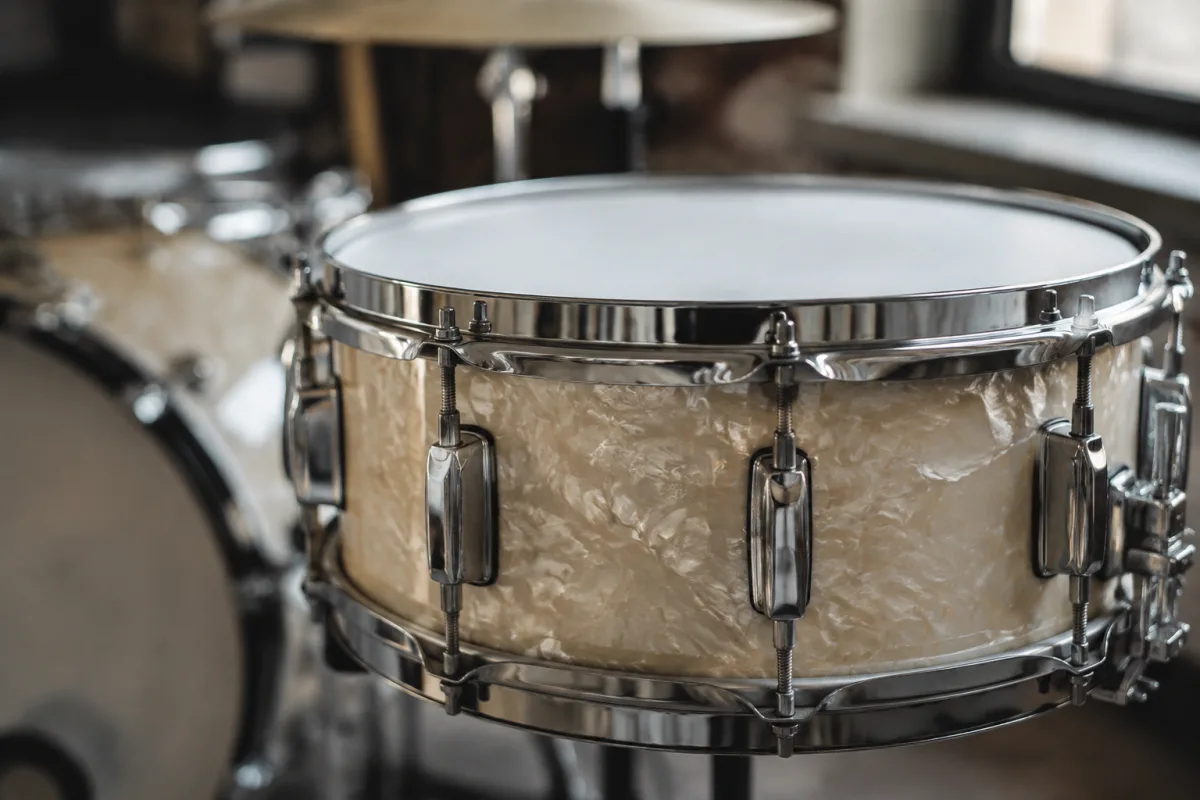
Picking up your first pearl snares drum can feel like stepping into unfamiliar territory. Pearl snares are professional-grade instruments found in studios and on stages worldwide, and as a beginner, understanding how to get comfortable with pearl snares is the first step to confident playing. This guide demystifies pearl snares, helps you avoid rookie mistakes, and builds your foundation for developing a strong, reliable snare technique.
What Are Pearl Snares and Why They Matter
Pearl snares are snare drums manufactured by Pearl Drums, a globally respected brand known for reliability and consistent quality. The hallmark of pearl snares is their crisp, cutting tone and responsive feel—qualities that make them popular with both beginners and professionals. Pearl snares come in various configurations, sizes, and materials, but all share Pearl's engineering standards.
As a beginner, choosing pearl snares means you're starting with equipment that rewards good technique and builds your skills efficiently. Pearl snares won't hide bad habits, but they won't punish you either—they're forgiving enough for learning whilst honest enough to guide you toward better technique.
Understanding Pearl Snares Specifications
Pearl snares come with several key specs you should understand:
- Drum diameter and depth: Standard pearl snares are typically 14 inches wide. Depth varies (around 5 to 6.5 inches)—shallower drums produce sharper cracks, deeper drums deliver rounder tones. For beginners, standard depth (5.5 inches) is ideal.
- Shell material: Pearl snares may feature maple, birch, steel, or hybrid shells. Maple offers warmth; birch delivers brightness; steel provides cutting attack. Most pearl snares for beginners use maple or birch.
- Snare wire configuration: Pearl snares typically have 20-strand snare wires underneath the drum. More wires mean finer sensitivity; fewer wires provide a more robust response. Twenty strands is standard and versatile for learning.
- Lugs and hardware: Pearl snares feature sturdy lugs and tuning mechanisms. Better hardware on pearl snares means easier tuning and longer durability.
Setting Up Your Pearl Snares
These initial steps matter for comfort and sound quality:
- Strap height: Mount your pearl snares so the top head sits at a comfortable height—typically around hip height when sitting. Too high or low affects posture and technique.
- Tension and tuning: On pearl snares, loosen all tuning lugs slightly before practising. Then gradually tighten evenly around the drum in star formation (opposite lug pairs). Even tension on pearl snares produces even tone.
- Snare wire tightness: The snare wires underneath your pearl snares should be tight enough to buzz consistently but not so tight they choke the drum. Experiment to find your sweet spot.
- Stick grip: Your hand position on the stick matters more than your grip strength. Relaxed hands respond better, and pearl snares reward finesse over force.
Common Mistakes Beginners Make with Pearl Snares
New drummers make these predictable errors when learning on pearl snares:
- Playing too hard immediately: Beginning drummers often assume more volume equals better playing. Pearl snares actually sound best at moderate to gentle dynamics. Quiet, controlled strokes develop better technique than wild swinging.
- Ignoring tuning: Pearl snares reveal tuning issues loudly. If your drum sounds flat or dull, the tension is likely uneven. Learn to tune properly—it transforms pearl snares from frustrating to inspiring.
- Gripping the stick too tightly: Tension in your hands kills tone. Pearl snares reward relaxed, controlled motion. Your grip should be firm but never tense.
- Neglecting dampening: Pearl snares can ring excessively if left totally open. Experiment with felt strips or tape on the head to control sustain as you develop your feel.
- Playing only in the centre: Pearl snares respond differently across the head. Playing near the rim produces sharper cracks; playing toward the centre delivers fuller tone. Explore the entire head.
- Forgetting basic maintenance: Pearl snares are hardy, but check tension occasionally and clean the shell gently. A well-maintained drum lasts decades.
Developing Your Pearl Snares Technique
Good technique on pearl snares comes from consistent, focused practice. Start with simple single strokes—eight evenly-paced hits, then speed gradually. Pearl snares reward precision over power. Once single strokes feel natural, explore doubles and light rolls. The beauty of pearl snares is they respond immediately to technique improvements, so you hear progress quickly.
Practice at a comfortable volume. Pearl snares sound fantastic quiet, so you don't need to disturb the neighbours or your family. Soft practice is actually better for developing control and hearing what pearl snares can really do.
Building Confidence with Pearl Snares
Pearl snares are honest instruments—they respond to how you play, not what you wish to sound like. This honesty is their gift to beginners. Within weeks of consistent practice, you'll feel more confident with pearl snares. You'll notice your hands becoming more coordinated, your timing more steady, and your tone more intentional.
For deeper technical knowledge on pearl snares construction, materials, and the full Pearl range, see the complete guide to Pearl snares. Until then, focus on the fundamentals: relaxed technique, consistent practice, and listening carefully to what your pearl snares can tell you. That foundation transforms beginners into confident, developing drummers.



Comments