
Electronic Drum Amplifiers article
The Complete Guide to Electronic Drum Amplifiers
Electronic drum amplifiers deliver your kit's sounds with clarity and power. Learn what specifications matter, how to choose the right amplifier for your needs and why dedicated drum amps outperform generic speakers.
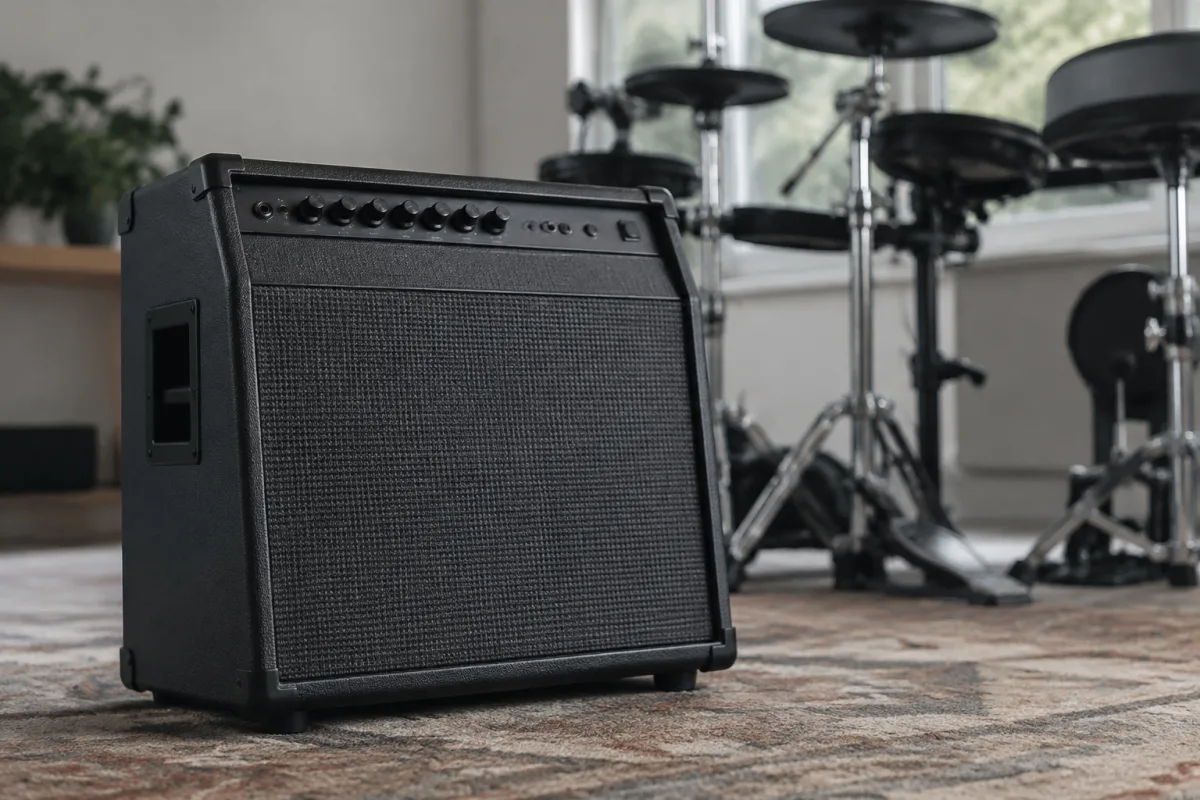
Electronic Drum Amplifiers: Complete Guide to Power and Sound
Electronic drum amplifiers form the crucial link between your electronic drum kit and your audience. Whether you're practising quietly at home or performing in a packed venue, electronic drum amplifiers deliver your sounds with clarity, power and definition. An electronic drum amplifier isn't simply a loudspeaker—it's a specialised instrument component engineered specifically to reproduce the dynamic range and frequency content that makes drum samples shine. Choosing the right electronic drum amplifier can transform your setup from adequate to genuinely professional, making practice more enjoyable and performances more impactful.
Why Electronic Drum Amplifiers Matter
Your electronic drum kit produces sound through a sound module or the amplified output from a keyboard. Electronic drum amplifiers exist to reproduce those sounds accurately and powerfully. Generic PA speakers work in a pinch, but dedicated electronic drum amplifiers are engineered with the unique demands of percussion playback in mind. A quality electronic drum amplifier delivers tight, punchy bass response, articulate mid-range clarity for snares and cymbals, and enough headroom to handle dynamic peaks without distortion. Without proper amplification, even premium kits sound weak, muddy or lifeless.
Key Specifications for Electronic Drum Amplifiers
Understanding electronic drum amplifier specifications helps you make informed purchasing decisions:
Power Output (Watts)
Electronic drum amplifiers range from 30 watts (bedroom practice) to 500+ watts (touring). Power requirements depend on venue size, rehearsal space acoustic characteristics and your preferred listening volume. A 60–120-watt electronic drum amplifier suits most home and rehearsal scenarios; 200–300 watts handles larger venues and outdoor performances. Don't conflate watts with perceived loudness—factors like speaker efficiency, cabinet design and frequency response matter equally.
Speaker Configuration
Electronic drum amplifiers commonly feature a single speaker cone (10–15 inches) or multiple drivers. Larger drivers (15 inches) provide fuller, deeper bass response ideal for kick drum reproduction. Dual-speaker configurations—combining a woofer for bass and a tweeter for high-frequency detail—offer broader frequency response. Professional electronic drum amplifiers sometimes include multiple driver systems optimised for drum reproduction specifically.
Frequency Response
Electronic drum amplifiers performing well for drums typically reproduce frequencies from 40 Hz to 20 kHz or better. Kick drum samples contain significant energy below 100 Hz; quality electronic drum amplifiers prioritise robust bass reproduction. Look for specifications advertising flat frequency response across the range rather than coloured (boosted/reduced) responses, ensuring accurate sound reproduction rather than artificial enhancement.
Headphone Output
Most electronic drum amplifiers include headphone jacks, letting you practise silently whilst hearing your kit through headphones. This feature is invaluable for apartment dwellers and late-night practice sessions. Separate headphone volume control lets you balance headphone level independently from speaker output.
Types of Electronic Drum Amplifiers
Electronic drum amplifiers come in several form factors, each with distinct advantages:
Compact Personal Monitors
Small, lightweight electronic drum amplifiers (30–60 watts) are ideal for bedroom practising and small rehearsal spaces. They're affordable and portable but lack the power for larger venues or alongside a full band. Perfect for beginners and studio producers who work at lower volumes.
Mid-Range Combo Amplifiers
Combo-style electronic drum amplifiers (60–150 watts) combine the amplifier and speaker in a single unit, offering good portability and sufficient power for rehearsals and small live performances. Most feature one or two speakers optimised for drum reproduction. These represent excellent value for developing musicians and working bands.
Full-Stack Electronic Drum Amplifiers
Professional touring setups use dedicated head (amplifier only) and cabinet combinations, sometimes reaching 300+ watts. Stacked configurations let you customise speaker systems, scale power for different venues and achieve pristine sound in any environment. These systems are expensive but essential for gigging professionals.
Powered Speakers
All-in-one electronic drum amplifiers with built-in DSP (digital signal processing) and mixing capabilities appeal to producers and performers using multiple sound sources. They're versatile but often pricier than simple amplifiers.
Electronic Drum Amplifier Features Worth Considering
Beyond basic power and speaker specification, several features enhance the utility of electronic drum amplifiers:
- Multiple Inputs: Supporting stereo input and auxiliary connections lets you connect multiple sound sources simultaneously.
- Volume and Tone Controls: Basic EQ adjustment (bass/treble) lets you tailor the sound to your preference and room characteristics.
- Portability: Lightweight construction and carrying handles make transporting electronic drum amplifiers between venues less strenuous.
- Durability: Road-tested construction with reinforced corners and quality components determines whether your amplifier survives years of gigging.
- Ventilation: Adequate ventilation prevents thermal damage during extended use; look for designs with rear vents rather than side-mounted slots that could collect dust.
Electronic Drum Amplifiers vs General-Purpose Speakers
| Feature | Drum Amplifier | PA Speaker | Guitar Amplifier |
|---|---|---|---|
| Frequency Response | Optimised for drums (tight bass, clear highs) | Broad, flat response | Coloured response (often boomy) |
| Dynamic Handling | Excellent (handles peaks well) | Good but designed for voice | Designed for sustain, not percussion peaks |
| Portability | Compact, lightweight | Often bulky | Variable |
| Price | Moderate | Variable | Variable |
Choosing an Electronic Drum Amplifier for Your Needs
Start by assessing where you play most frequently. Home practisers need only compact electronic drum amplifiers offering silent headphone practising. Rehearsal-focused musicians benefit from 80–120-watt combo models that balance power, portability and cost. Touring performers should invest in professional-grade systems offering flexibility, reliability and performance scalability.
Room acoustics matter enormously. Untreated rooms can muddy sound even from quality electronic drum amplifiers; conversely, well-treated spaces let modest amplifiers shine. Budget constraints often dictate choices; recognise that a quality electronic drum amplifier from an established manufacturer offers better long-term value than bargain alternatives that may sound acceptable initially but degrade quickly.
Maintenance and Longevity
Electronic drum amplifiers require minimal maintenance beyond keeping dust out of vents and occasional cable checks. Avoid playing at maximum volume constantly, which strains components and shortens lifespan. Most quality electronic drum amplifiers last 10–15 years with normal use, making them durable investments. Professional repair services exist if problems arise, though many electronic drum amplifiers are designed for user replacement of common wear items like speaker cones.
Bottom Line
An appropriate electronic drum amplifier elevates your kit's sound quality and playability immensely. Assess your primary playing context—home practice, rehearsals or live performances—and choose an electronic drum amplifier with sufficient power and proper speaker design for that environment. Prioritise frequency response optimised for drum reproduction and reliability from established manufacturers. Whether you select a compact personal practice amplifier or a touring-grade rig, investing in purpose-built electronic drum amplifiers rather than generic speakers ensures your kit sounds professional and responds dynamically to your playing. The right amplifier transforms how you enjoy and experience your electronic drums.



Comments