


Peavey Bass Heads article
Peavey Bass Heads for Beginners: A Complete Guide
Starting with a Peavey bass head doesn't have to feel complicated. This guide covers connection, setup, and practical tips for beginners.
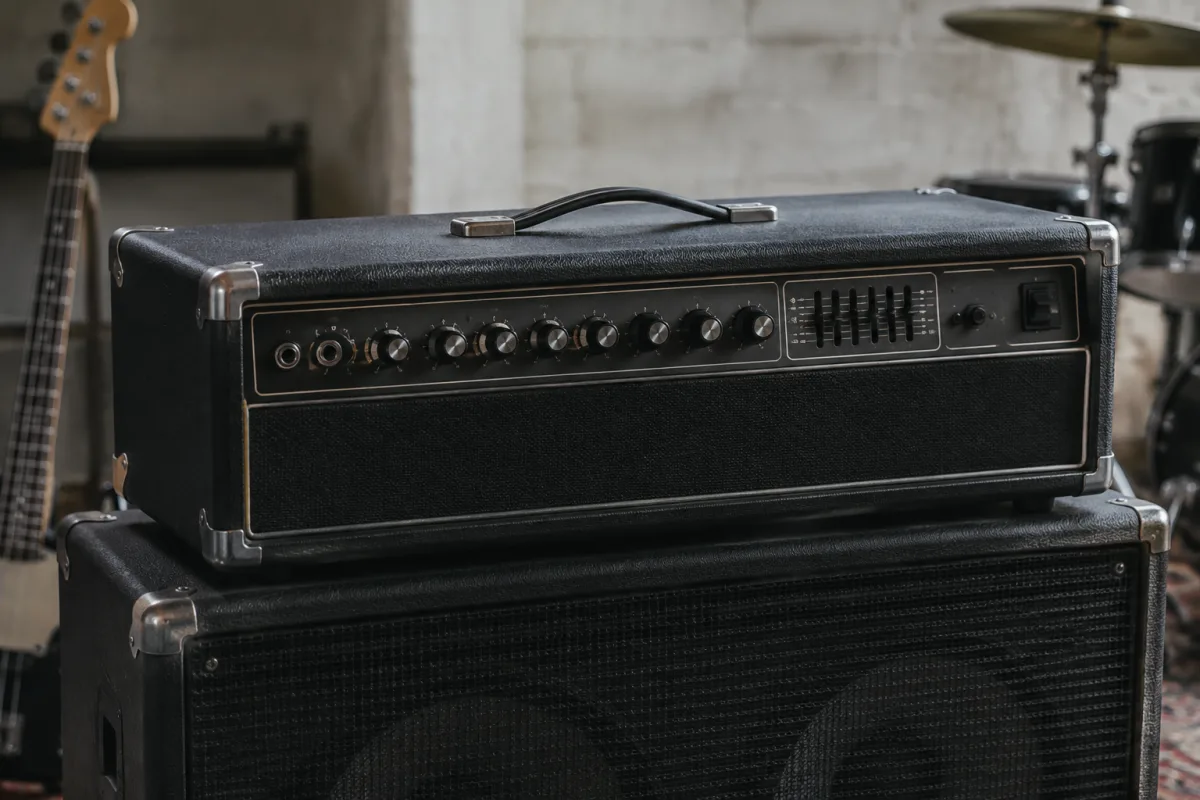
Getting your first Peavey bass head can feel mysterious if you're uncertain about what separates it from a complete amplifier and how to integrate it into your setup. Peavey's reputation for delivering powerful, reliable amplification at accessible pricing makes their bass heads attractive for developing bassists. This beginner's guide addresses the fundamental concerns that new Peavey bass head owners face: how to connect it to your cabinet, what controls actually do, how to dial in decent tone, and how to avoid the common mistakes that frustrate beginners. You'll discover that a Peavey bass head is genuinely straightforward once you understand basic principles.
Why Peavey Bass Heads Appeal to Beginners
Peavey bass heads earn their reputation through honest reliability and straightforward engineering. Unlike some manufacturers that prioritise feature count over usability, Peavey focuses on delivering power and tone clarity without unnecessary complexity. This philosophy benefits beginners significantly. A Peavey bass head provides clear, honest feedback about your playing without coloration or distortion masking technique issues. This honest sound accelerates skill development because you hear exactly what you're playing.
Moreover, Peavey's pricing positions their bass heads accessibly for beginners budgeting carefully. You're not sacrificing significant sound quality for affordability—Peavey delivers professional-grade performance at prices that respect beginner budgets.
Understanding Peavey Bass Head Basics
Before operating your Peavey bass head, understanding what separates it from complete amplifiers clarifies setup requirements:
Head vs. Complete Amplifier
A Peavey bass head is an amplifier head without integrated speakers. You connect it to a separate speaker cabinet housing drivers and enclosure. This configuration offers flexibility—you can upgrade your cabinet independently or connect multiple cabinets for different situations. A complete amplifier (head and cabinet combined) is simpler but less flexible. Understanding this distinction helps you plan your long-term setup.
Power Rating
Your Peavey bass head's power rating (typically 150–1000W depending on model) indicates how much amplification you're providing. More power provides cleaner headroom at loud volumes, reducing distortion. Beginners often think louder power means better sound—incorrect. A 300W Peavey bass head at reasonable volume sounds better than an underpowered head being pushed to limits. Choose power based on intended venues and cabinets you'll use, not assumed superiority of maximum wattage.
Input/Output Connections
Your Peavey bass head features bass input (from your instrument), main output (to your cabinet), and potentially DI output (for recording or PA systems). Understanding these connections prevents rookie mistakes. Your bass connects to the input jack. Your speaker cabinet connects to the output. These reversed connections are a common beginner error—verify connections carefully.
Connecting Your Peavey Bass Head to a Cabinet
Proper connection is straightforward but crucial:
Cable Quality
Connect your bass to the Peavey bass head input jack using a quality instrument cable. Don't use substandard cables—they introduce noise and intermittent connection issues that frustrate you disproportionately. A decent cable costs little and serves reliably for years.
Speaker Cable Connection
Connect your Peavey bass head output to your cabinet using a speaker cable rated for the power you're using. Speaker cables handle higher power than instrument cables. Using incorrect cables introduces noise and risks damage. Verify your cable is rated for at least your Peavey bass head's wattage output.
Impedance Matching
Your Peavey bass head output and speaker cabinet impedance must match (typically 4 ohm or 8 ohm). Mismatched impedances can damage your amplifier or cabinet. Verify specifications before connecting. If you're uncertain, ask the retailer before purchasing—this detail matters significantly.
Dialling In Your Tone with Peavey Bass Head
Getting your Peavey bass head sounding good involves straightforward steps:
Initial Setup
Set all tone controls (bass, midrange, treble) to 12 o'clock position. Set master volume around 25–30%. This neutral starting point lets you hear your bass through the amplification without radical tone coloration. Play a familiar bass line and listen carefully to how your instrument sounds through the Peavey bass head at this baseline.
Bass Control
Adjust the bass control to shape low-frequency response. More bass emphasises rumble and low-end weight. Less bass produces clarity and definition. Experiment by adjusting bass control ±2 positions from centre, playing passages and evaluating. You'll quickly discover what feels natural for your style.
Midrange Control
Midrange affects presence and punch. More midrange makes your bass cut through a mix but can sound aggressive. Less midrange sounds smooth and warm. Subtle adjustments create noticeable changes on a Peavey bass head. Trust your ears and adjust gradually.
Treble Control
Treble adds brightness and articulation. More treble reveals every finger movement and string vibration. Too much fatigues ears. Less treble sounds dark and woolly. Adjust treble by ear, prioritising what sounds musical rather than technically correct.
Common First-Timer Mistakes with Peavey Bass Head
Learning from others' early errors accelerates your development:
Mistake 1: Excessive Volume from Day One
A Peavey bass head provides genuine power. Beginners often crank volume expecting dramatic tone improvement, not realising that volume and tone quality are different properties. Start at 40% volume. Adequate loudness for practice exists well below maximum. Full volume is for live performance, not daily practice.
Mistake 2: Ignoring Gain Structure
Many Peavey bass head models include both input gain and master volume controls. Input gain affects how hard the amplifier works internally. Master volume controls output loudness. Proper gain structure is crucial for clean amplification. Excessive input gain causes distortion before you even turn up the master volume. Learn your Peavey bass head's gain controls—they matter.
Mistake 3: Not Allowing Warm-Up Time
Tube-based Peavey bass heads benefit from brief warm-up periods. Solid-state models don't require this, but either way, turning on your amplifier and immediately pushing it hard stresses components. Power on your Peavey bass head, wait 30–60 seconds, then start playing gently. This routine maintains reliability.
Mistake 4: Mismatched Cabinet Impedance
Connecting a Peavey bass head to a cabinet with incorrect impedance either damages the amplifier or produces poor sound. This mistake is easily prevented through basic verification. Check impedance specifications before purchase and connection. Five minutes of verification prevents expensive damage.
Mistake 5: Neglecting Cable Quality
Poor instrument and speaker cables introduce noise, intermittent connections, and signal loss. This isn't your Peavey bass head failing—it's inadequate infrastructure. Invest in decent cables and you'll hear improved clarity and consistency immediately.
Building Your Technique with Peavey Bass Head
Beyond tone dialling, developing solid technique with your Peavey bass head matters:
Practice at Moderate Volumes
Most practice should occur at volumes that don't disturb neighbours and let you hear clearly. Your Peavey bass head performs beautifully at moderate volumes. Save full-volume practice for rehearsals where it's appropriate.
Use Your Peavey Bass Head as Technique Feedback
The honest amplification your Peavey bass head provides reveals every technique detail. Uneven timing, weak technique, and sloppy muting show up immediately. This feedback is genuinely valuable for developing solid fundamentals.
Experiment Gradually
Once comfortable with your Peavey bass head's baseline setup, experiment with tone controls gradually. Spend a week exploring bass control, then a week with midrange, then treble. Systematic exploration prevents overwhelm and helps you understand how controls influence your specific sound.
Moving Forward with Your Peavey Bass Head
After weeks with your Peavey bass head, you'll understand its character and capabilities naturally. At that point, you might consider upgrading your cabinet, adding effects, or expanding to multiple cabinets. These additions enhance your setup but aren't essential initially. Your Peavey bass head alone provides everything needed for excellent practice and performance.
For comprehensive technical specifications and detailed information on Peavey bass head models, explore the complete guide to peavey bass heads.
Conclusion
Your Peavey bass head is genuinely straightforward once you understand fundamental principles. Connect it to an impedance-matched cabinet using quality cables. Set controls to neutral positions and adjust by ear as you play. Start at moderate volumes and gradually explore your amplifier's character. Resist the urge to crank volume or make constant adjustments. Give yourself weeks to develop familiarity with your specific Peavey bass head. Within this time, dialling in your tone becomes intuitive and you'll feel completely confident with your setup. Your Peavey bass head is a reliable partner for your musical journey.


Comments