


Ludwig Breakbeats Drum Set Buying guide
Ludwig Breakbeats Drum Set: A Complete Buyer's Guide
Buying a Ludwig Breakbeats drum set requires knowing what specs to check, which price tier suits your needs, and which common pitfalls to avoid. This guide cuts through the confusion.
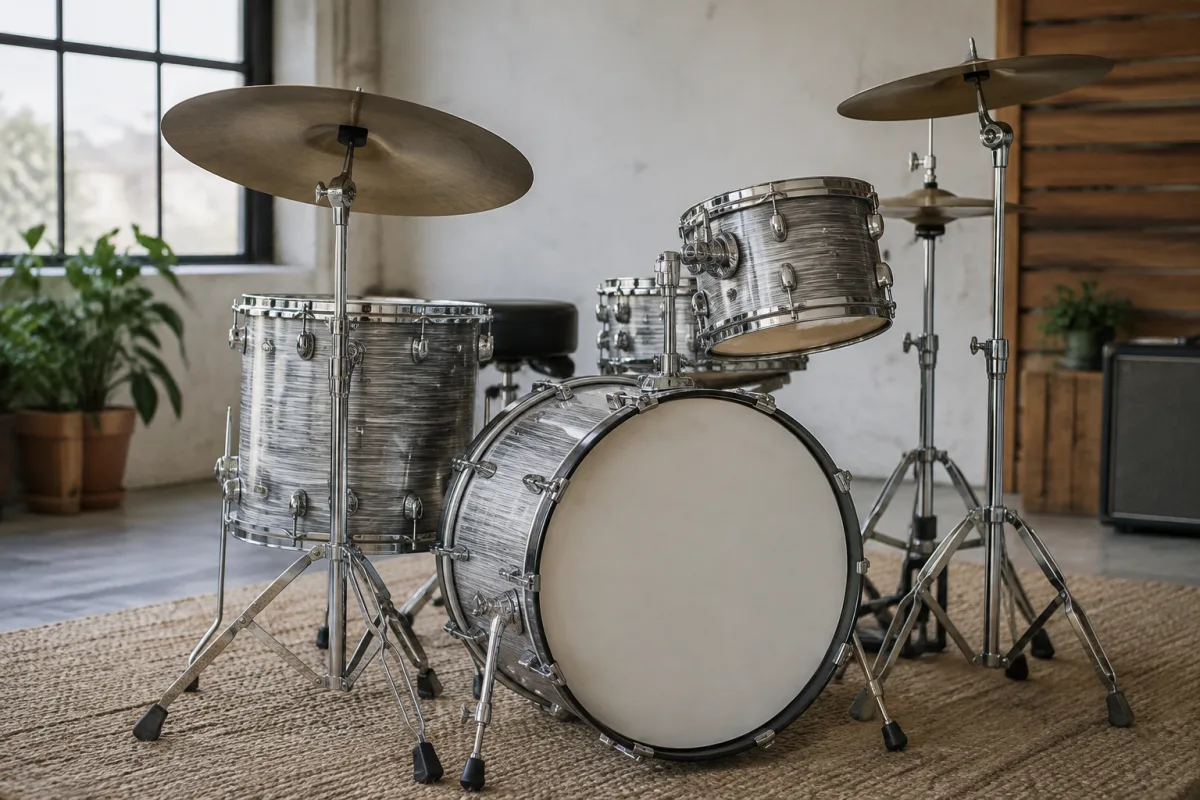
If you're serious about owning a Ludwig Breakbeats drum set, this guide cuts through the marketing to show you exactly what to look for, what specs matter, and how to avoid overpaying for features you don't need. We'll cover the price tiers, key specifications to check, and the real-world pitfalls that catch buyers off guard. For a deeper dive into what makes these drums special, see our complete guide to Ludwig Breakbeats drum sets, but here we're focused on making a smart purchase.
Understanding the Ludwig Breakbeats Price Tiers
A ludwig breakbeats drum set comes in several distinct price ranges, each with different features and build quality. Understanding these tiers helps you find value without compromising on what matters.
- Entry-level kits (£400–600): These are typically shell packs with basswood or poplar shells and basic hardware. They're ideal for beginners and students. Hardware is functional but not premium, and finish options are limited to standard colours.
- Mid-range Ludwig Breakbeats (£600–1,200): This is the sweet spot for many drummers. Shells are usually maple or birch blends, hardware is more robust, and you get better bearing edges and more finish options. Build quality is noticeably improved.
- Premium kits (£1,200–2,000+): All-maple or specialty wood shells, professional-grade hardware, hand-finished edges, and vintage inspired design. These are targeted at serious enthusiasts and semi-professional players.
- Limited editions and artist models (£1,500–3,000+): Special finishes, exclusive hardware, and signature features. These collectible variants command higher prices regardless of specs.
Key Specs to Check Before Buying
Don't let model numbers and colour options distract you. These are the specifications that actually affect how the drum set sounds and plays.
| Specification | Why It Matters | What to Look For |
|---|---|---|
| Shell wood type | Determines tone character and durability. Maple is warm, birch is bright and punchy, poplar is budget-friendly but less resonant. | Maple or maple/birch blend for balanced tone. Avoid all-poplar if you're playing beyond bedroom practice. |
| Shell thickness | Thicker shells (7–8 ply) are more durable and louder; thinner shells (6 ply) are more resonant but fragile. | For Ludwig Breakbeats, 6–7 ply is standard. Check the product specs; thicker isn't always better. |
| Bearing edges | Sharp or rounded edges affect head seating and tuning stability. Ludwig's design is distinctive. | Look for precision-cut bearing edges. Hand-finished edges are more consistent than machine-cut. |
| Lugs and hardware | Quality hardware reduces resonance loss and improves tuning stability. Cheap hardware buzzes and loosens easily. | Look for solid metal lugs (not plastic) and smooth tension rods. Test feel and smoothness if possible. |
| Finish quality | A good finish protects the wood and looks professional. Poor finishes chip easily and look cheap. | Run your hand over the finish. It should be smooth and even with no rough spots or bubbles. |
Configuration: What Comes in the Box?
The Ludwig Breakbeats drum set is available in different configurations. Common setups include 4-piece, 5-piece, and expanded configurations. Here's what you're likely to encounter:
- 4-piece shell pack: Bass drum, snare, and two tom sizes. Perfect for minimal space and suitable for many styles. Hardware, cymbals, and throne usually sold separately.
- 5-piece shell pack: Adds a floor tom to the 4-piece, giving more tonal range. More versatile but requires more space and investment in additional hardware.
- Complete kits: Some bundles include hardware, cymbals, and throne. Check what's included — bundled cymbals and hardware are often lower quality than if you'd buy separately.
Think carefully about space. A 5-piece Breakbeats kit is significantly larger than a 4-piece. Measure your room and practice space before committing to a full configuration.
Common Buying Mistakes to Avoid
Here are the pitfalls that catch Ludwig Breakbeats buyers by surprise:
- Buying incomplete kits without checking included hardware: Some sellers list this model as shells-only, with no bass drum pedal, snare stand, hi-hat stand, or cymbal stands. Always confirm what hardware is included before purchasing. Budget an extra £200–400 if you're buying shells only.
- Underestimating the space required: Breakbeats kits take up considerably more room than you might expect. A 5-piece set with proper cymbal placement needs at least 3x3 metres. If your practice space is cramped, a 4-piece or compact configuration makes more sense.
- Assuming all Ludwig Breakbeats are identical: Production runs vary. Hardware quality, finish consistency, and even shell tone can differ. Always check recent reviews and user feedback on the specific model year you're eyeing.
- Ignoring the condition of used kits: Breakbeats hold their value, making used kits tempting. However, cracks in shells, warped heads, and rusted hardware are expensive to fix. A used kit should be significantly cheaper — at least 30–40% off retail — to justify the risk.
- Overpaying for limited editions without understanding resale value: Exclusive colours and artist models are cool, but they often don't sell well second-hand. If you're buying for investment, stick to classic configurations and finishes.
- Not testing feel and sound before committing: If you can play the kit in person before buying, do it. Check how the pedal responds, whether heads are evenly tuned, and if the shells sound resonant and balanced. A "perfect" kit on paper might feel wrong to you personally.
New Versus Used: What's Worth It?
Ludwig Breakbeats drum set kits hold their value well, making the used market surprisingly decent. Here's how to decide.
Buy new if: You want warranty coverage, a guaranteed uncracked shell, and the satisfaction of being the first owner. New kits often come with special pricing or bundle deals that erode the value difference versus used.
Buy used if: The kit is at least 30–40% cheaper than retail, the seller can verify condition (no cracks, true tuning, functional hardware), and you're comfortable with cosmetic wear. Used Ludwig Breakbeats from reputable shops or private sellers with good feedback are usually reliable.
Avoid deeply discounted kits from sellers with no history or vague product descriptions. If the price seems too good to be true, it usually is — there's often a reason for the discount.
Where to Buy and Price Comparison
Ludwig Breakbeats are widely available, but prices vary by retailer and region. UK music shops like Thomann, Gear4music, and Drum Center UK often have competitive pricing. Check multiple sources:
- Authorised dealers: Offer warranty coverage and reliable stock. Prices are usually standard across authorised retailers, but service and return policies vary.
- Online drum specialists: Often cheaper than high street shops but check return policies and whether you get warranty support.
- Second-hand platforms: Reverb.com, eBay, and local classified ads sometimes offer better deals, but inspect carefully and confirm condition before committing.
- Bundle deals: Watch for package offers combining drum shells, hardware, cymbals, and throne. Compare the bundle price to buying separately — bundled cymbals are often lower grade, so this isn't always a saving.
Red Flags When Buying
Walk away if you spot any of these:
- Seller unable to provide photos of the actual kit or only shows stock photos
- Shells with visible cracks, warping, or water damage
- Missing or damaged bearing edges
- Rusted or corroded hardware
- Mismatched or aftermarket lugs that don't fit the Ludwig aesthetic
- No return policy or warranty information offered
- Unusually vague descriptions like "drum set, good condition" with no specifics
Making Your Final Decision
Before you commit to a Ludwig Breakbeats purchase, ask yourself: Do I have space for this configuration? Can I afford quality hardware and cymbals to go with the shells? Am I buying for genuine use or as an investment? Is this the right price for the condition and specs?
Take your time. Drum sets are major purchases, and rushing often leads to regret. If a kit feels right in specs, sounds good (if you've played it), and the price is fair, it's likely a solid choice. If anything feels off — whether it's the price, the condition, or the specifications — keep looking. Another kit will come along.


Comments