


Travel Bass Buying guide
Travel Bass: A Complete Buyer's Guide
Learn what to look for when buying a travel bass drum, from construction quality and hardware to sound characteristics and value evaluation.
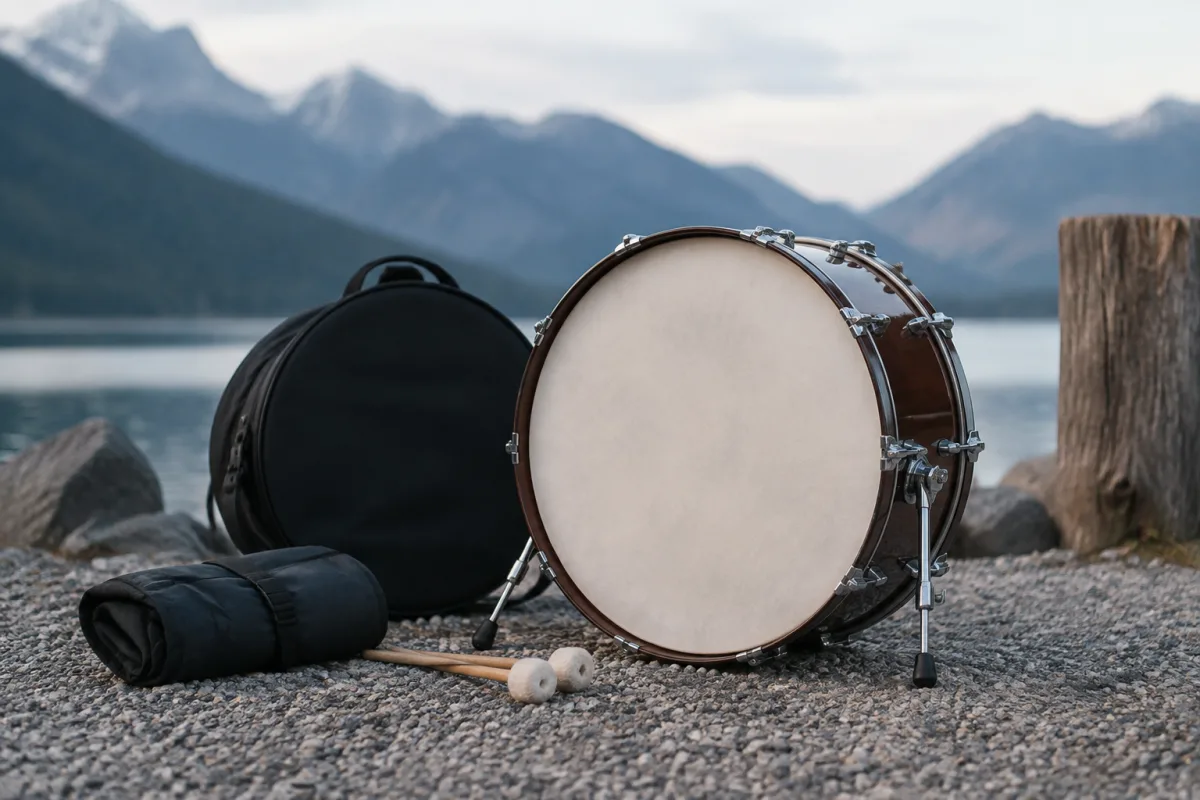
Buying a travel bass drum means balancing portability with playability—you want something that fits in your vehicle yet delivers resonant tone when you play it. The variety of options available can overwhelm potential buyers. This guide focuses entirely on the practical purchasing decisions you need to make: understanding price points, evaluating construction quality, assessing sound characteristics, and recognising potential pitfalls. Rather than covering the history or general background, we're concentrating on helping you select the right travel bass for your specific needs. For comprehensive technical details, the complete guide to travel bass drums provides exhaustive information.
Understanding Travel Bass Price Tiers and Value
Travel bass drums occupy distinct price brackets. Entry-level models, typically £300 to £600, offer basic functionality and acceptable tone for learners and casual players. These drums generally feature plywood shells, standard lugs, and basic hardware. Mid-range travel bass drums, spanning £600 to £1,200, provide better materials, improved bearing edges, and more refined construction. Premium models, priced from £1,200 upwards, showcase superior woods, professional-grade hardware, and meticulous craftsmanship. Budget considerations should align with your playing commitment and frequency.
Avoid the false economy of ultra-cheap travel bass drums under £300. These instruments often feature substandard shells that fail to project adequate tone, flimsy hardware that strips easily, and hardware that doesn't maintain proper tension. Spending an additional £150 to £250 typically yields a substantially better playing experience and longer lifespan. Consider the cost per use: a £700 travel bass played regularly for five years costs less per use than a £400 instrument abandoned after six months.
Evaluating Shell Construction and Materials
The bass drum's shell is its foundation. Examine the wood type: maple shells are responsive and punchy, birch shells offer warmth and articulation, and plywood shells deliver adequate tone at budget prices. Run your hands along the bearing edges—the top and bottom rims where the heads sit. They should be perfectly level and smooth. Rough or uneven bearing edges compromise head seating and cause tuning inconsistencies. Sight down the shell from multiple angles to confirm it's round and true; warped shells plague some budget models.
Check the shell's depth. Shallower shells (14-16 inches) are more portable; deeper shells (18-20 inches) provide richer, rounder tone at the cost of portability. Your specific need dictates the optimal depth. A travel bass that doesn't fit in your vehicle defeats the purpose, yet a drum too shallow sounds thin and inadequate. Test the weight; travel bass drums typically weigh 8-15 kilograms. Excessive weight compromises portability; extremely light drums sometimes sacrifice tone quality.
Hardware and Lugs: Quality Indicators
Examine all lugs—the hardware brackets holding tension rods. They should be substantial, smooth-operating, and free from casting defects or rough edges. Spin each tension rod smoothly through its full range; resistance should be consistent throughout. Stiff or grinding tension rods indicate poor threading or lugs. Verify that all tension rod holes are aligned and that rods sit flush when fully tightened. Misaligned holes mean struggling to achieve even head tension.
Check the drum's shell bearing: the metal ring (if present) or edge preparation where the head contacts the shell. Verify that bearing surfaces are smooth and level. Inspect all visible welds and joints for cracks or repairs. Look at the bass drum's legs or stand—they should be sturdy and hold the drum firmly without wobbling. Legs that rattle or shift during playing compromise everything else you've chosen correctly.
Head Quality and Compatibility
Most travel bass drums ship with included heads, but quality varies significantly. Quality drum heads cost £40-£80 per head. Budget models often include basic heads that damp sound excessively. When evaluating a travel bass, mentally budget for head replacement—often your first upgrade. Request that retailers allow head swap testing when possible; even quality drums sometimes benefit from superior heads.
Verify the head size matches your shell precisely. Incorrect head sizes either don't fit properly or create tuning dead spots. Check that the drum has standard threading for tension rods; some budget models use non-standard sizing that limits head choices. Compatibility with standard replacement heads is essential for long-term ownership. A drum without readily available replacement parts becomes frustrating quickly.
Sound Quality: Testing Before Commitment
Every drum sounds distinct. Pitch, sustain, attack, and tonal character vary based on construction. Play multiple travel bass drums within your budget range before deciding. Strike the head with a proper bass drum beater—not your fingers—to assess authentic tone. Listen to the fundamental pitch and how the drum sustains; quality instruments have clear pitch definition and controlled decay. Cheap drums often sound muddy or flat with rapid tonal collapse.
Record yourself playing different travel bass drums if possible; your ears sometimes hear differently when you're physically playing versus passively listening. Video recordings reveal tonal character more accurately than real-time judgement in busy showrooms. Play the drum with different beater types; some travel bass drums are responsive across all beater weights, whilst others reveal limitations with specific techniques.
Common Purchasing Pitfalls to Avoid
Many buyers overlook shell roundness, assuming it's irrelevant. A slightly warped shell becomes a major frustration: heads don't seat evenly, tuning proves problematic, and sound quality suffers. Always sight down the shell before purchase. Don't assume smaller travel bass drums automatically sound thin; quality shallow drums deliver excellent tone. Conversely, deep drums at budget prices sometimes sound boomy and undefined.
Avoid purchasing based solely on appearance. Attractive finishes don't compensate for shoddy construction. Don't buy unseen from online retailers without knowing return policies; many travel bass purchase regrets stem from unmet expectations discovered only after unboxing. Factor setup costs into your budget; professional bearing edge work can cost £80-£150 per drum if needed.
Another mistake is underestimating the importance of portability specifications. Verify dimensions and weight before purchase; a travel bass that barely fits your vehicle or proves exhausting to transport regularly undermines the entire purpose of owning one.
New versus Used: Balancing Risk and Value
Used travel bass drums frequently offer excellent value, particularly from respected manufacturers. A well-maintained mid-range instrument from five years ago often plays better than a new budget model. Inspect used drums carefully for shell damage, head indentations, or lug issues. Verify that all components are present and functioning. Ask about maintenance history; drums that've been regularly tuned and professionally maintained typically outlast neglected instruments.
New instruments provide warranty coverage and guarantee you're not inheriting someone else's problems. However, new doesn't guarantee quality—budget models often disappoint. Established retailers and professional drum shops provide expertise and customer support that private sellers cannot match. Factor these intangible benefits into your purchasing decision alongside price.
Making Your Final Decision
Before purchasing, confirm these factors: Does the shell sound resonant when struck properly? Are bearing edges smooth and level? Do tension rods operate smoothly? Is the drum truly portable for your specific use? Does hardware operate without resistance? Does the price align with comparable instruments in similar condition? Have you played multiple examples before deciding? A travel bass drum should feel like a genuine upgrade to your setup, not a compromise purchase you'll regret.


Comments