
Steel Pan Instrument article
The Complete Guide to Steel Pan Instrument
The steel pan instrument evolved from Caribbean oil drums into a sophisticated orchestral percussion instrument, producing warm, resonant tones with remarkable expressive potential in ensemble and solo contexts.
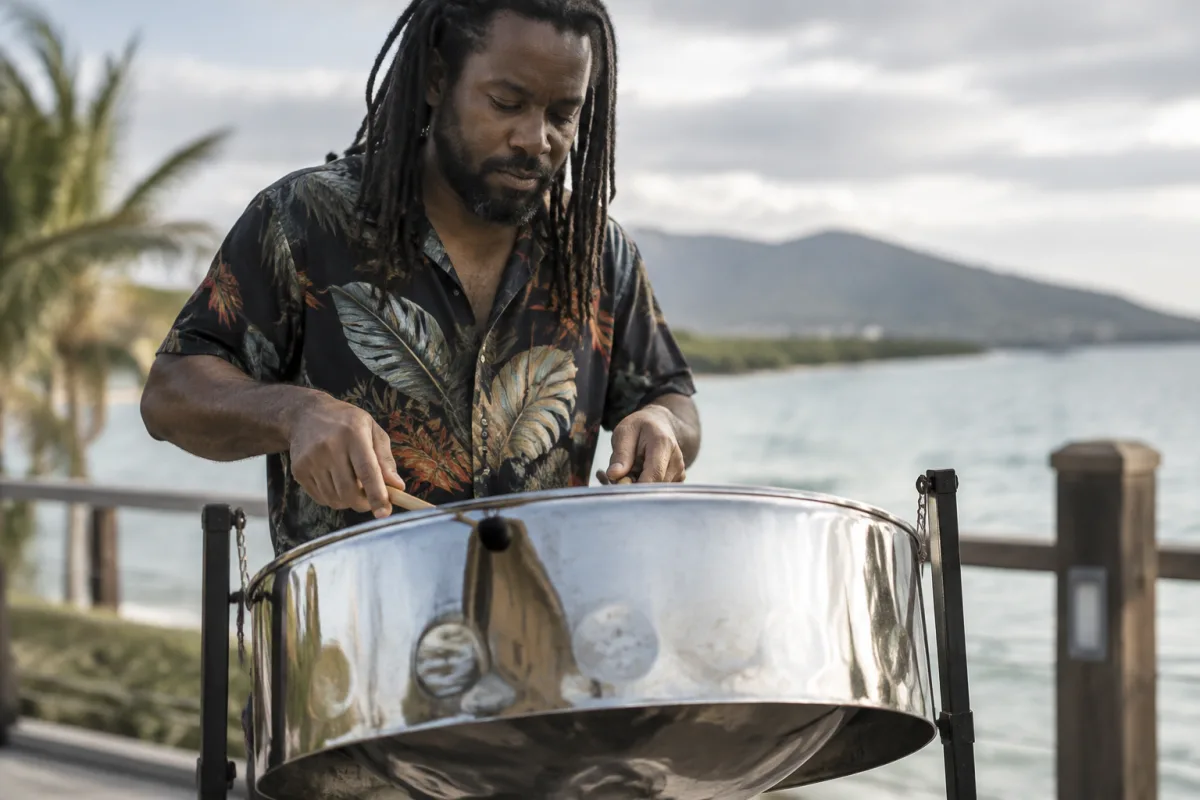
The steel pan instrument represents a unique fusion of Caribbean culture, industrial ingenuity, and melodic expression. Born in Trinidad and Tobago in the 1930s from discarded oil drums, the steel pan instrument has evolved into a sophisticated percussion instrument capable of producing the full chromatic scale with remarkable tonal beauty. Whether you're drawn to world music traditions, seeking an unconventional melodic percussion instrument, or exploring the rhythmic possibilities of steel pan ensembles, this distinctive instrument offers profound musical and cultural significance. This comprehensive guide explores the steel pan instrument's origins, construction, playing techniques, and place within contemporary music.
The Origins and Evolution of the Steel Pan Instrument
The steel pan instrument emerged from Trinidad's post-World War II cultural landscape. During the conflict, the British military left behind thousands of oil drums at the naval base. Young Trinidadian musicians, previously restricted to traditional percussion like bamboo and metal objects, repurposed these steel drums into tuned percussion instruments. Through incremental experimentation and cultural innovation, players discovered how to strike specific areas of a steel pan instrument to produce different pitches, gradually developing the complex tuning methods that characterise modern steel pan instruments.
From street celebrations to concert halls, the steel pan instrument has transformed from a marginalised street instrument into a globally respected orchestral and ensemble staple. UNESCO recognised the steel pan instrument as a Masterpiece of the Oral and Intangible Heritage of Humanity, acknowledging its cultural significance and artistic merit. Today, professional orchestras, universities, and cultural institutions worldwide maintain steel pan ensembles, and the instrument continues to captivate audiences with its warm, resonant character.
Construction and Acoustic Properties
A steel pan instrument is constructed from a 55-gallon (210-litre) steel drum, typically made from recycled oil barrels. The manufacturing process begins with carefully selecting and heating the drum, then methodically striking the surface with hammers to create indentations (called "notes" or "pockets"). Each indentation is precisely tuned by adjusting its depth, surface tension, and relationship to surrounding areas. This labour-intensive tuning requires considerable skill; master pan makers develop an intuitive understanding of how tiny adjustments affect pitch and timbre.
The resulting steel pan instrument produces warm, mellow tones when struck with mallets or hands. The harmonic richness—the complex blend of fundamental pitch and overtones—is remarkable for a percussion instrument. A single steel pan instrument can sustain notes far longer than typical struck percussion, allowing for legato phrasing and expressive playing techniques. The overall tonal character is frequently described as warm, inviting, and deeply resonant.
Types of Steel Pan Instruments and Ranges
Steel pan ensembles typically feature multiple instrument types, each occupying a distinct frequency range:
| Steel Pan Type | Range and Register | Role in Ensemble | Typical Notes |
|---|---|---|---|
| Soprano/Lead Pan | Highest; bright, piercing | Melody and lead lines | 22–23 notes (high range) |
| Double Second Pan | High-mid; warm and clear | Harmonic support, secondary melodies | 22–24 notes (mid-high) |
| Cello Pan | Low-mid; rich and resonant | Bass lines and harmonic foundation | 20–22 notes (low-mid) |
| Bass Pan | Lowest; deep and full | Root notes and bass accompaniment | 8–12 notes (very low) |
Playing Techniques and Expression
Traditional steel pan instrument technique involves striking the surface with mallets (typically constructed from wooden handles wrapped in rubber or yarn to create soft, resonant tones). Skilled players develop remarkable dexterity, often using four mallets simultaneously to perform complex melodic lines. The steel pan instrument responds beautifully to dynamic variation—from delicate, whisper-soft passages to robust, powerful statements.
Contemporary steel pan instrument performers employ numerous expressive techniques. Rolling (rapidly repeating notes to create a sustained effect), damping (muffling vibrations to create staccato articulation), and pitch bending (using hand pressure against the note pocket to subtly alter pitch) extend the instrument's expressive range significantly. In ensemble settings, steel pan instrument players develop synchronised attacks and unified phrasing, essential for achieving the homogeneous blend characteristic of professional groups.
The Steel Pan Instrument in Contemporary Music
Beyond traditional Caribbean ensembles, the steel pan instrument has found unexpected homes across global music genres. Jazz musicians incorporate steel pan instruments into fusion arrangements, creating distinctive harmonic and melodic textures. Classical composers write specifically for steel pan ensembles or feature a steel pan instrument as a concerto soloist. World music projects, film soundtracks, and contemporary pop productions utilise the steel pan instrument's distinctive character to evoke tropical atmosphere, emotional warmth, or cultural authenticity.
Educational institutions increasingly recognise the steel pan instrument's pedagogical value. Learning to play the steel pan instrument develops musical literacy, ensemble coordination, and cross-cultural awareness. Many schools maintain steel pan programmes, allowing students to experience authentic musical traditions whilst developing fundamental musicianship skills.
Acquiring and Maintaining a Steel Pan Instrument
Purchasing a quality steel pan instrument requires investment; professional instruments typically cost £2,000–£8,000 depending on construction quality, tuning precision, and age. Vintage Caribbean-made steel pan instruments from the mid-20th century command premium prices due to their tonally superior construction methods. Modern manufactured steel pan instruments, whilst somewhat more consistent, often lack the singular character of handcrafted versions.
Caring for a steel pan instrument involves protecting it from rust and weather. Store instruments indoors in a stable climate, away from extreme temperature fluctuations and humidity changes. Wipe the surface periodically to remove dust and prevent oxidation. Damaged areas should be addressed promptly by specialists experienced in steel pan instrument restoration; improper repairs can alter pitch and timbre irreparably.
Learning the Steel Pan Instrument
Formal steel pan instrument instruction is available in many regions, particularly where Caribbean communities maintain cultural traditions. Learning typically begins with understanding the specific tuning layout of your instrument (which differs slightly between pan makers), developing proper mallet grip and striking technique, and internalising the relationship between physical position and resulting pitch. Unlike pianos or guitars with standardised key layouts, each steel pan instrument requires learning its unique topography.
Many learners find that prior musical training accelerates progress, but it is not essential. The steel pan instrument responds immediately to physical effort—strike a note and hear the result immediately—making it intuitive for beginners. Reading music notation transfers directly from other instruments, though developing the specific technique required for rapid, clean note transitions demands patient, consistent practice.
The Steel Pan Instrument in Ensemble Settings
The steel pan instrument truly shines within ensemble contexts. The blended tones of multiple pans create extraordinary harmonic richness and textural beauty impossible to achieve with a single instrument. Professional steel pan orchestras feature dozens of musicians, each contributing a distinct part within a comprehensive arrangement. The interplay between soprano melodies, harmonic accompaniment, and bass foundation creates sophisticated musical expression rivalling conventional orchestral sound.
Conclusion
The steel pan instrument stands as a testament to human creativity and cultural resilience. Its transformation from discarded industrial material into a sophisticated musical instrument reflects Caribbean ingenuity and artistic vision. Whether encountered as a concert performance, explored as a learning opportunity, or appreciated as a cultural artefact, the steel pan instrument continues to inspire, educate, and delight audiences worldwide with its warm, distinctive voice and rich musical possibilities.


Comments