
Steel Pan Drum Instrument article
The Complete Guide to Steel Pan Drum Instrument
A steel pan drum is a melodic percussion instrument from Trinidad offering warm, distinctive tone. Learn its history, how it works and what it takes to play.
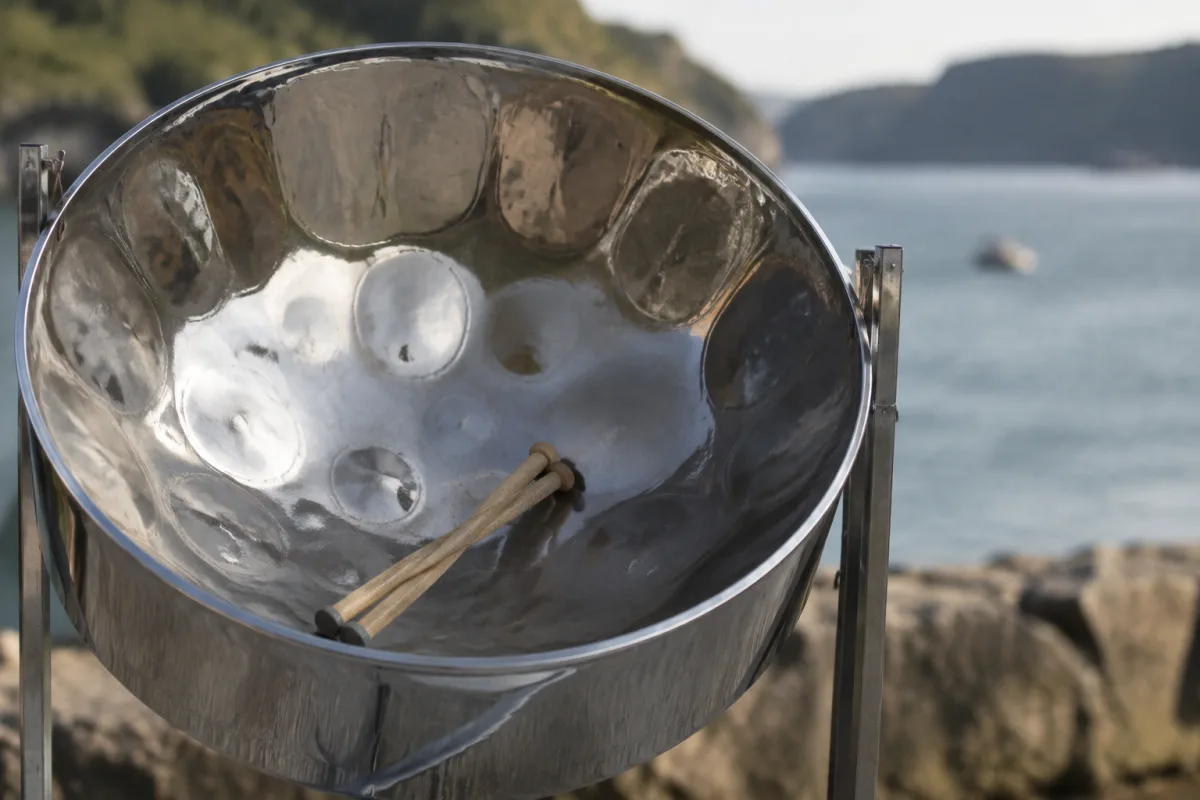
The steel pan drum is one of the world's most distinctive and accessible percussion instruments, capable of producing melodic beauty rivalling traditional keyboard instruments. Born in Trinidad and Tobago in the 1930s, this acoustic wonder was literally created from discarded steel barrels, beaten and shaped into one of the 20th century's most inventive instruments. Whether you're curious about world percussion, drawn to the warm, colourful sound of a steel pan drum, or considering learning to play, understanding how this remarkable instrument works and what it offers musicians will enrich your appreciation for global musical traditions.
History and Origins of the Steel Pan Drum
The steel pan drum emerged in Trinidad during the 1930s and 40s, born from necessity and creativity. Trinidadian musicians, seeking new percussion instruments after certain drums were banned, began experimenting with discarded metal barrels and other salvage. Early pioneers discovered that by striking and shaping the steel surfaces, they could produce distinct pitches, eventually creating a melodic percussion instrument that had never existed before.
The steel pan drum remained uniquely Trinidadian through the mid-20th century, central to the island's Carnival celebrations and cultural identity. Over decades, the steel pan drum spread globally, adopted by orchestras, jazz ensembles, world music specialists and contemporary musicians seeking fresh, exotic tones.
How a Steel Pan Drum Works
A steel pan drum is fundamentally a percussion idiophone—sound is produced by striking the metal surface itself. Unlike drums that are struck to vibrate a skin, the steel pan drum's barrel is carefully shaped to create specific note pitches. Multiple depression points across the steel surface correspond to different notes, arranged chromatically or diatonically depending on the instrument's design.
The steel pan drum's sound emerges from complex interactions between the struck steel, the barrel's shape, the striking location and the striker (hand sticks or mallets). Skilled makers spend years perfecting the art of shaping and tuning a steel pan drum, as the note accuracy and tonal richness depend entirely on precise metalwork.
Types and Tunings of Steel Pan Drums
The Tenor Steel Pan
The soprano-range steel pan drum, called the tenor or lead pan, carries the melody in steel bands. A tenor steel pan drum typically has 28 individual note zones arranged in a symmetrical pattern, allowing quick finger movement and traditional melodic playing. Tenor steel pan instruments are the most popular entry point for learning.
Double Tenor and Extended Lead Pans
Some steel pan drum makers create extended-range versions with additional notes, allowing wider melodic possibilities. A double tenor steel pan drum expands the solo range and suits classical crossover work.
Double Seconds and Alto Pans
These steel pan drum variants occupy the middle range, typically played by two musicians in a steel band (hence "double"), or by a single virtuoso. Double-second steel pan drums provide harmonic accompaniment and add textural richness.
Guitar Pan and Cello Pan
Lower-voiced steel pan drums fill bass and midrange roles in traditional steel bands. A guitar pan steel pan drum and cello pan steel pan drum provide rhythmic and harmonic foundation, tuned to lower registers than tenor pans.
Bass Pans
The lowest-pitched steel pan drums, typically played with mallets rather than hands, anchor the band with deep, resonant bass notes. A bass steel pan drum's range spans less than an octave but covers crucial harmonic support.
The Distinctive Sound of Steel Pan Drums
A steel pan drum's tone is instantly recognisable—warm, round, slightly vintage-sounding, with natural vibrato and sustain. Unlike metal percussion instruments that ring harshly (like cymbals or gongs), a well-made steel pan drum sounds remarkably warm and organic, almost like a cross between a vibraphone and a warm electric guitar. This tonal character appeals to musicians across genres seeking something exotic yet accessible.
The sustain of a steel pan drum depends on striking technique and the quality of the instrument. Proper striking with soft mallets produces gentle notes that ring beautifully; aggressive striking produces harsher, shorter notes.
Learning Steel Pan Drum
Learning a steel pan drum is surprisingly accessible—the instrument's layout is intuitive, and players with music reading ability can access written music immediately. Unlike keyboards, a steel pan drum has a simpler, more visual layout, making note location obvious even for beginners.
Several factors influence the learning experience:
- Instructor Availability: Finding experienced steel pan drum teachers requires seeking out world music specialists or connecting with Caribbean music communities. Online lessons have expanded access significantly.
- Instrument Cost: Quality handmade steel pan drums range from £1,500–3,000+, making them expensive instruments compared to entry-level guitars or keyboards. Rental options exist in areas with active steel bands.
- Physical Demands: A steel pan drum requires standing and reaching across the instrument. The physical posture is different from guitars or keyboards and requires adaptation for some players.
- Community Access: Steel bands and carnival organisations offer group playing opportunities unique to this instrument—a tremendous advantage for motivated learners.
Steel Pan Drums in Modern Music
Contemporary composers and musicians have embraced the steel pan drum far beyond traditional Caribbean contexts. Classical composers write for steel pan drums in orchestra settings. Jazz musicians incorporate steel pan drums into modern ensembles. World music producers use steel pan drum recordings extensively. Popular music occasionally features steel pan drum samples or live steel pan drums for exotic colour.
This global adoption reflects the steel pan drum's versatility and unique appeal. Unlike world instruments that suit only specific genres, a well-played steel pan drum fits jazz, classical, pop and contemporary contexts with equal authenticity.
Maintenance and Care
A well-made steel pan drum is remarkably durable, but proper care ensures longevity:
- Storage: Store your steel pan drum in a dry environment, protected from extreme temperature and humidity fluctuations that cause tuning shifts and rust.
- Cleaning: Wipe the playing surface gently with a soft cloth to remove dust and dirt. Avoid harsh abrasives that damage the carefully tuned surface.
- Striking Technique: Use proper hand striking technique or appropriate mallets. Incorrect striking damages the delicate surface and creates harsh, unpleasant tones.
- Professional Repair: If your steel pan drum develops cracks, tuning issues or dents, professional steelband makers can repair the instrument, though this requires specialised skill.
The Bottom Line
A steel pan drum represents one of the world's most inventive and accessible melodic percussion instruments. Whether you explore it as a hobby, study it formally or simply appreciate its distinctive sound, the steel pan drum embodies human creativity and cultural exchange. Its warm, inviting tone and intuitive layout make it surprisingly approachable for learners whilst offering depth and sophistication that rewards dedicated practice. Learning steel pan drum connects you to Caribbean tradition whilst opening access to contemporary music-making across genres.


Comments