
Instrument Double Reed article
The Complete Guide to Instrument Double Reed
The instrument double reed represents one of music's most expressive tone sources, where two cane pieces vibrate to produce the warm, complex sonorities that define orchestras and chamber ensembles.
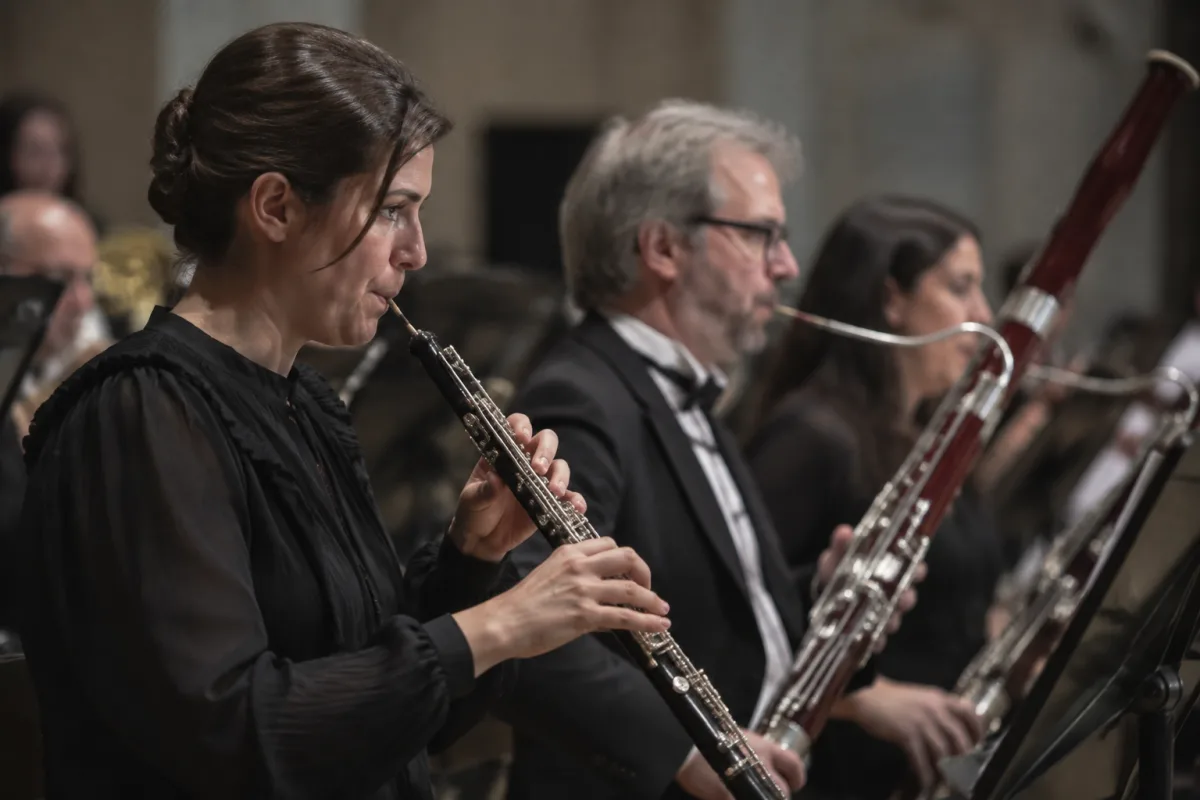
The instrument double reed represents one of music's most expressive and nuanced tone sources, producing the warm, complex sonorities that define classical orchestras and chamber ensembles. An instrument double reed creates sound through two pieces of cane vibrating against one another, a mechanism fundamentally different from the single-reed designs found in clarinets and saxophones. The instrument double reed family includes oboes, bassoons, English horns, and historical ancestors, each with distinctive characteristics shaped by reed design and bore configuration.
Understanding the Double Reed Mechanism
An instrument double reed consists of two pieces of cane approximately 0.75 millimetres thick, carefully scraped and shaved to precise dimensions. When the player blows air between these vibrating pieces, they produce oscillations that generate the characteristic warm, penetrating tone associated with instrument double reed music. This mechanism differs fundamentally from single-reed instruments where one reed vibrates against a mouthpiece lay.
The instrument double reed's construction demands extraordinary precision—variations of fractions of a millimetre dramatically alter tone, resistance, and pitch stability. Professional musicians spend years developing reed-making skills, as the quality of an instrument double reed directly determines overall performance regardless of instrument quality.
Primary Instrument Double Reed Instruments
Several instruments employ the double reed principle, each with unique characteristics:
- Oboe — The soprano member of the instrument double reed family, producing penetrating bright tone ideal for melody lines and solo passages in classical music.
- English horn (cor anglais) — A lower-sounding instrument double reed variant, producing warm, mellow tone suitable for expressive lyrical passages.
- Bassoon — The tenor/bass instrument double reed instrument, capable of remarkable range and expressing both delicate chamber music and robust orchestral support.
- Oboe d'amore — A rare instrument double reed variant pitched between oboe and English horn, producing particularly warm sonority.
- Heckelphone — An extremely rare instrument double reed instrument with oboe-like characteristics and remarkable power and depth.
History of the Instrument Double Reed
The instrument double reed traces its ancestry back centuries, with ancient Middle Eastern and European cultures employing double-reed instruments as fundamental components of ensemble music. Renaissance and Baroque eras saw proliferation of instrument double reed varieties, including shawms and bagpipes employing double-reed principles.
The modern oboe, developed during the Baroque period, established the instrument double reed template that persists today. Classical composers including Mozart and Haydn expanded the oboe's orchestral role, establishing the instrument double reed as essential to symphonic music. The bassoon, another prominent instrument double reed, developed similarly during the Renaissance and achieved orchestral prominence by the Classical period.
Characteristics of Double Reed Tone
The instrument double reed produces distinctive tonal qualities shaped by reed vibration mechanics:
- Warm, penetrating tone with rich harmonic complexity
- Natural vibrato through subtle air pressure modulation
- Expressive dynamic range from pianissimo to brilliant fortissimo
- Authentic orchestral blend, particularly in woodwind sections
- Resistance requiring disciplined breath support and control
- Tonal characteristics significantly affected by reed choice
Learning the Instrument Double Reed
Beginning instruction on an instrument double reed demands patience and specialist pedagogy. Double-reed instruments require substantial air support compared to woodwinds like flute or clarinet. Embouchure—mouth position and reed placement—develops gradually through guided practice and expert feedback.
One fundamental challenge: beginners cannot initially make instrument double reed instruments sound at all. The coordination between air support, embouchure formation, and reed manipulation requires weeks of concentrated practice before successful tone production. This steep initial learning curve discourages some students, but those persisting discover profound tonal expressiveness unavailable on other instruments.
Reed-Making for the Instrument Double Reed
Professional musicians often craft their own instrument double reed reeds, purchasing pre-formed cane and shaping it according to personal preferences and stylistic requirements. The process involves: Scraping cane pieces to precise thicknesses using specialised gouges. Shaping the opening between reed pieces to control air resistance. Adjusting the reed's responsiveness through careful cane removal. Testing and refining repeatedly until the instrument double reed achieves desired characteristics.
This complexity explains why instrument double reed musicians command higher prices in professional orchestras—they maintain both instrumental mastery and specialised reed-manufacturing expertise.
Maintaining an Instrument Double Reed
The instrument double reed itself requires minimal maintenance compared to single-reed instruments. Store the instrument double reed in protective cases to prevent damage to its delicate mechanism. After playing, gently rinse the instrument double reed with water to remove accumulated saliva and debris.
The reed, however, demands careful attention. Proper storage in reed cases with controlled humidity prevents warping and cracking. Rotation among multiple instrument double reed options prevents any single reed from becoming overworked and damaged.
The Instrument Double Reed in Contemporary Music
Beyond classical orchestral contexts, the instrument double reed appears in world music traditions, chamber jazz, and experimental music. World music employs numerous double-reed variants including the shawm and zurna, producing distinctive regional sonorities. Contemporary classical composers continue exploring instrument double reed expressive potential through extended techniques and unconventional performance approaches.
Conclusion
The instrument double reed represents one of music's most rewarding and demanding instrumental families. Mastering an instrument double reed requires dedication, specialist pedagogy, and patience through challenging early stages. Players who persist discover unparalleled tonal expressiveness and the profound satisfaction of orchestral participation. The warm, complex sonorities of the instrument double reed continue enriching musical life across classical, world, and contemporary musical traditions.


Comments