


Drum Tuning Lugs article
Everything You Need to Know About Drum Tuning Lugs
Tuning lugs are the tuning fasteners on drum lugs. Understand materials, grip, durability, and how quality tuning lugs affect your drum's tone and playability.
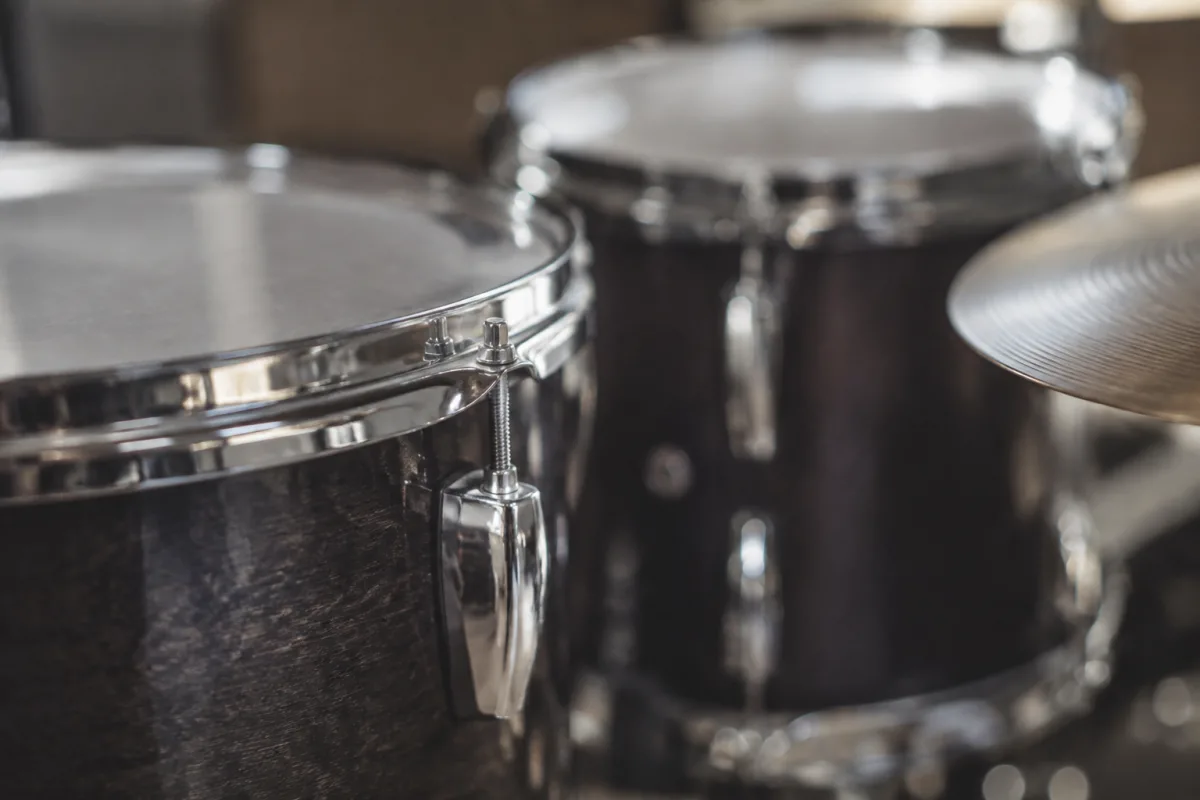
Every drum has a bearing edge where the shell meets the head, and around that edge sit the tuning lugs—the hardware that holds the drum head tight. The knobs mounted on these lugs tighten and loosen the head. These knobs are known as tuning lugs, and whilst they seem like simple hardware, choosing the right ones and using them correctly profoundly affects your drum's tone, playability, and longevity.
What Are Drum Tuning Lugs?
Tuning lugs are the fasteners mounted on tuning lugs that physically tighten drum heads. They screw into threaded posts on the lugs; turning them clockwise tightens the head tension, counterclockwise loosens it. This remarkably simple mechanism is fundamental to percussion: you adjust tuning lugs to change pitch, tone, and responsiveness.
Most tuning lugs resemble small handles—traditionally they're called "chicken-head knobs" because of their shape. They come in various materials, sizes, and designs. Plastic knobs are light and cheap; metal knobs are durable and transmit hand warmth more effectively. The subtle differences in tuning lug design affect how easily you can grip and turn them during performance.
Why Drum Tuning Lugs Matter
Tension control is everything in drums. A perfectly tuned drum sounds full, resonant, and responsive. An out-of-tune drum sounds dead, muted, or thin. Your tuning lugs are what lets you achieve and maintain proper tuning. Quality tuning lugs grip the threaded post firmly so tension doesn't drift during playing. Cheap tuning lugs slip or loosen unexpectedly.
Consistency matters equally. All tuning lugs on a single drum should tighten and loosen smoothly and evenly. If one tuning lug is loose or resistant, achieving even tension becomes frustrating. Many drummers replace an entire set of cheap tuning lugs with quality ones and notice immediately how much easier tuning becomes.
During performance, tuning lugs sometimes loosen slightly as the drum vibrates. Quality tuning lugs with proper grip resist this drift. A slipping tuning lug can ruin a performance as your drum's pitch creeps up or down mid-song.
Materials and Durability
Plastic tuning lugs are lightweight and affordable. They work adequately for casual playing and student drums. The downside: plastic wears, cracks, and eventually strips its threads. A cracked tuning lug forces you to stop playing and deal with a maintenance problem at an inconvenient time.
Metal tuning lugs—typically cast zinc alloy or chrome-plated brass—are significantly more durable. They resist cracking, wear beautifully over years, and conduct heat from your hands more naturally than plastic. Quality metal tuning lugs feel solid and professional. They cost perhaps double plastic knobs but last three times as long.
Some boutique drum makers offer specialty tuning lugs in wood or composite materials. These are primarily aesthetic choices; functionally they perform similarly to quality metal knobs. The appeal is often in matching your drum kit's visual aesthetic or supporting artisanal maker philosophies.
Size and Grip
Tuning lug size affects ergonomics. Larger knobs are easier to grip and turn, particularly useful for drummers with larger hands or when wearing gloves (common in cold weather or stage situations). Smaller knobs take up less space and let you position your hand closer to the bearing edge, giving you finer control over tuning precision.
The grip surface texture also matters. Smooth plastic knobs become slippery when sweaty or dusty. Textured metal knobs grip better under real performance conditions. Some manufacturers include knurled or knobbed surfaces specifically designed to resist slipping.
Standard tuning lugs fit most modern drum lugs (typically 3mm or 1/4-inch posts), but some specialty drums use different sizes. Always confirm your drum's lug post size before buying replacement knobs to avoid incompatibility.
Maintenance and Replacement
Tuning lugs rarely need maintenance if they're quality. They don't corrode or wear significantly. Occasionally wipe them clean of dust and sweat. If you're adjusting tuning frequently—as recording drummers often do—your tuning lugs might loosen slightly. Re-tighten them periodically.
When replacement is necessary, it's straightforward: unscrew the old tuning lug from the lug post and screw on the new one. You don't need special tools; your hand and perhaps a small screwdriver provide enough leverage. Replacement sets typically cost £10–30 for a full drum kit.
Some drummers prefer replacing all tuning lugs simultaneously to ensure consistency. Others replace only the worn ones. Either approach works; the important thing is that all tuning lugs on a drum function smoothly.
Choosing Quality Drum Tuning Lugs
Reputable drum manufacturers—Ludwig, Pearl, Yamaha, Sonor—offer quality replacement tuning lugs that last. Aftermarket suppliers like DW, Gretsch, and various hardware specialists sell quality options. Avoid extremely cheap generic knobs; the cost difference is minimal but durability difference is substantial.
If you're buying complete drums, examine the tuning lugs as part of quality assessment. Rough, plasticky tuning lugs suggest lower quality construction overall. Smooth, well-finished knobs indicate attention to detail throughout.
For recording situations where tuning stability is critical, consider higher-end metal tuning lugs from boutique suppliers. The cost is minimal compared to studio time, and improved stability during long sessions can make a genuine difference.
Conclusion
Tuning lugs are simple hardware with outsized importance to your drumming experience. Quality tuning lugs tighten smoothly, resist slipping, and remain consistent through hours of playing. Metal tuning lugs offer superior durability over plastic; the small additional cost pays dividends over years of use. Maintain them simply by keeping them clean, and replace them when they're damaged or stripped. Your drums will tune more easily, stay in tune longer, and deliver the full tone you've worked to achieve.






Comments