
Drum Set Instrument Names article
The Complete Guide to Drum Set Instrument Names
Every part of your drum set has a proper name, and knowing drum set instrument terminology helps you communicate with other musicians and shop with confidence. This complete guide covers all the essential drum set instrument names.
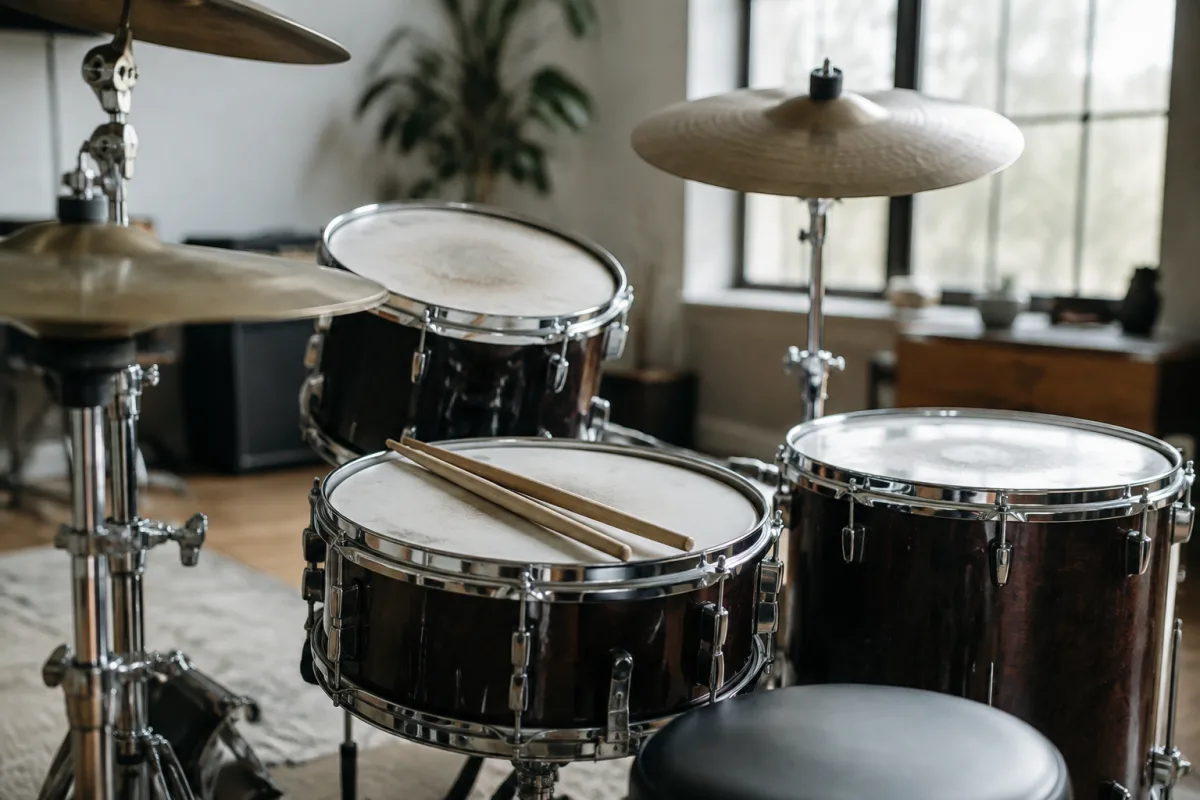
A drum set is a collection of percussion instruments assembled together to be played by one person. Understanding the proper names for each component of your drum set is essential whether you're learning to play, shopping for new gear or communicating with other musicians. This guide covers the drum set instrument names you'll encounter in drum shops, tutorials and jam sessions, plus the specific roles each part plays in creating a complete drum kit.
The Core Drums
Every drum set instrument names collection begins with the acoustic drums—the main percussion voices that form the foundation of your kit. These drum set instrument names refer to the primary sound sources that create the basic rhythm and power of your playing.
Bass Drum (Kick Drum)
The bass drum, also known as the kick drum, is the largest drum in most drum sets. Played with a foot pedal, this deep-sounding drum set instrument provides the low-end foundation for your rhythm patterns. Bass drum sizes typically range from 18" to 26" in diameter, and larger sizes produce deeper tones. The kick drum is one of the most important drum set instrument names to master because it drives the overall feel of your playing.
Toms
Toms are mid-range drums that come in various sizes and are played with drumsticks. Most drum sets feature two or three toms, and understanding these drum set instrument names helps you build proper technique. The high tom (or "hi-tom") produces the highest pitch, the mid tom sits in the middle range, and the floor tom produces lower tones. These drum set instrument names reflect both their size and pitch characteristics.
Snare Drum
The snare drum is a shallow drum with a distinctive "crack" or "snap" sound produced by metal wires (called snares) strung across the bottom head. This key drum set instrument represents one of the most recognisable voices in drumming and is played with drumsticks held in both hands. The snare drum drives rhythmic patterns and defines the backbeat in most music styles.
Cymbals and Percussion
Beyond the drums themselves, your drum set includes various cymbals and auxiliary percussion items. Learning these drum set instrument names expands your sonic palette and communication options.
Hi-Hat Cymbals
The hi-hat comprises two cymbals mounted on a stand and controlled by a foot pedal. This drum set instrument is essential for modern drumming, creating the quick, shimmering sounds that define contemporary rhythms. When closed (cymbals pressed together by the pedal), the hi-hat produces a tight, crisp sound; when open, it rings more freely. Proper hi-hat technique is fundamental to drum set instrument mastery.
Crash Cymbals
Crash cymbals are larger, thinner cymbals that produce loud, explosive sounds for accents and emphasising musical moments. These drum set instrument names typically refer to cymbals ranging from 14" to 18" in diameter, though sizes and sounds vary. Crash cymbals cut through in live settings and add dynamic punch to recordings.
Ride Cymbal
The ride cymbal is a larger, thicker cymbal that produces a defined, sustained tone. This drum set instrument is often used for steady, driving patterns and melodic punctuation. The ride cymbal offers more projection and definition than a crash, making it ideal for jazz, fusion and situations where you need clear cymbal articulation.
China Cymbal
A less common but distinctive drum set instrument, the china cymbal features an upturned edge and produces a trashy, explosive sound distinct from standard crash cymbals. This specialty drum set instrument name represents an exotic colour that adds attitude and personality to your kit.
Hardware and Mounting
Beyond the actual percussion items, your drum set requires various mounting hardware. Knowing these drum set instrument names—or at least the parts that hold everything together—ensures you can discuss setup and equipment intelligently.
- Drum Stands — The framework that positions each drum at the correct height and angle for comfortable playing
- Boom Arms — Extendable arms that position cymbals at various angles; an essential drum set instrument support system
- Pedals — Foot-controlled mechanisms for kick drum and hi-hat; crucial operating elements of any drum set instrument configuration
- Throne — The stool on which the drummer sits; often overlooked but vital for comfort during drum set instrument practice and performance
- Stands — Cymbal stands, tom stands and other supports that position your drum set instrument pieces correctly
Auxiliary Percussion
Many drummers add extra drum set instrument names to their basic kit for additional tones and textures. These auxiliary components expand your creative options:
- Cowbell — A metallic percussion instrument producing a distinctive ringing tone
- Shakers and Rattles — Small handheld instruments for additional texture
- Percussion Pads — Electronic triggers that integrate synthesisers or sampled sounds into your drum set instrument arsenal
- Tambourine — A jingle-producing percussion item often mounted on the drum set itself
Electronic Drum Set Instrument Names
Modern electronic drum kits introduce additional drum set instrument names into the playing vocabulary. Electronic pads replace acoustic drums, whilst trigger pads replace cymbals. Digital drum set instrument configurations offer quieter practice options and unlimited sound possibilities whilst maintaining familiar layout and technique requirements.
Understanding Drum Set Sizing Conventions
Drum set instrument measurements follow standardised conventions. Drum diameter and depth are listed in inches (e.g., "22×18" means a 22-inch diameter drum 18 inches deep). Understanding these drum set instrument dimensions helps you choose appropriate equipment for your playing style, physical size and genre preferences. Smaller drums produce higher pitches and require less striking force, whilst larger drums deliver deeper tones with greater projection.
Building Your First Drum Set
Beginners often start with a five-piece drum set instrument configuration: kick drum, snare, two toms, hi-hats, crash and ride cymbals. This fundamental drum set instrument setup covers virtually all playing situations whilst remaining manageable for developing technique. As you progress, you'll discover which additional drum set instrument pieces enhance your personal playing style and the music you create.
Conclusion
Mastering drum set instrument names gives you the vocabulary to communicate with bandmates, shop for equipment confidently and understand instructional materials. From basic acoustic drums to electronic triggers and auxiliary percussion, every component plays a role in creating your unique sound. Whether you're building your first beginner kit or expanding an existing drum set instrument collection, knowing what each piece is called—and understanding its function—transforms you from someone who hits things to a true percussionist.


Comments