
Box Drum Instrument article
The Complete Guide to Box Drum Instrument
A box drum instrument, or cajón, is a versatile percussion instrument that combines accessibility with authentic musical capability. Discover how this hand drum works and why musicians love it.
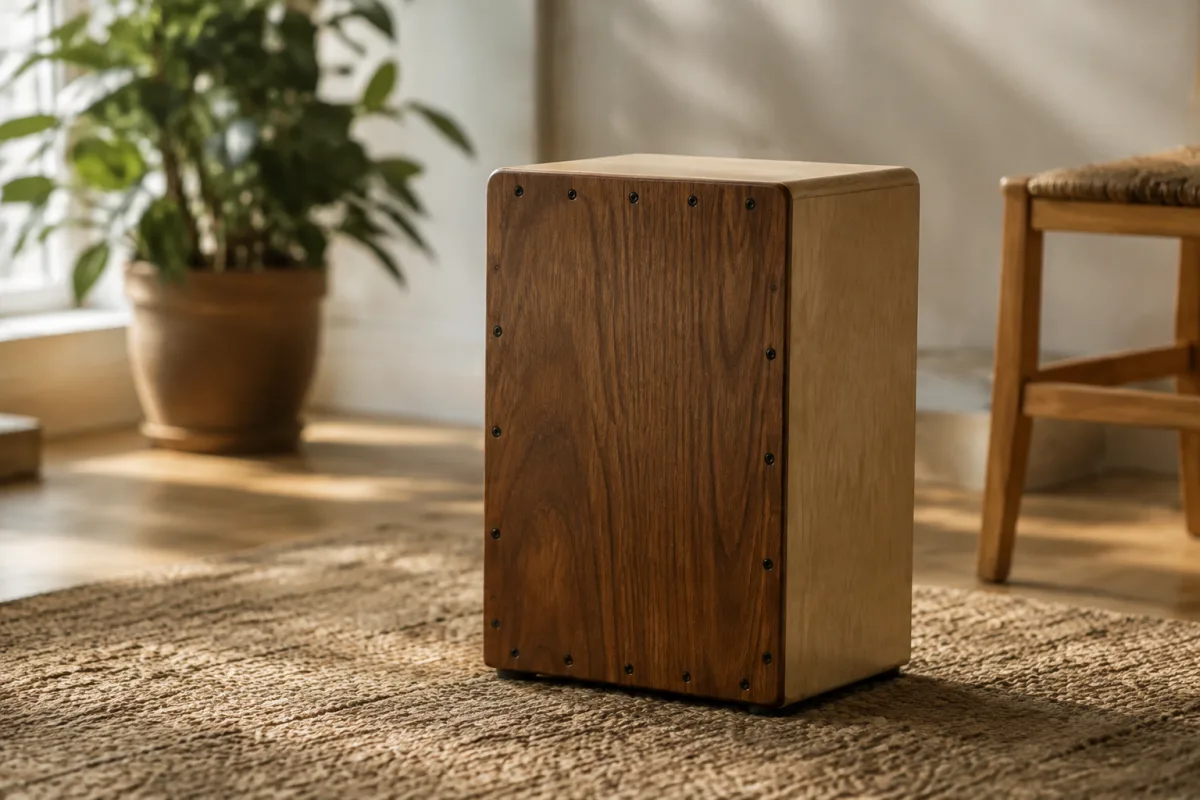
A box drum instrument, also known as a cajón, represents one of the most versatile and accessible percussion instruments in modern music. Originating from Spanish and South American traditions, this box drum instrument has evolved into a fundamental component of flamenco, jazz, folk and contemporary music ensembles. The box drum instrument's portability, intuitive playing technique and remarkable sonic range make it an excellent choice for musicians seeking authentic percussion without the complexity of a full drum kit.
Understanding the Box Drum Instrument
A box drum instrument is a wooden box with a sound hole, typically struck with hands or brushes to produce various tones and textures. The simplicity of this box drum instrument design contrasts sharply with its sonic sophistication—different striking techniques on the playing surface generate everything from sharp snares to deep bass tones. Historically, this box drum instrument evolved from shipping crates and simple wooden containers used by Spanish prison inmates and later adopted by flamenco musicians seeking portable percussion.
Types of Box Drum Instruments
Modern box drum instruments come in several variations, each with distinct characteristics and performance applications.
Traditional Cajón
The traditional box drum instrument cajón features a simple wooden construction with six strings (snares) strung across the interior back plate. This classic box drum instrument produces the characteristic crisp, bright snare sound alongside deep bass tones, making it suitable for flamenco, folk and world music applications. The traditional box drum instrument remains favored by purists and musicians seeking authentic sound.
Hybrid Box Drum Instruments
Modern hybrid box drum instruments combine traditional cajón design with additional percussion elements. Some box drum instruments incorporate cymbal elements or additional snare configurations for expanded sonic possibilities. These contemporary box drum instruments appeal to musicians seeking versatility and modern sound-shaping capabilities whilst maintaining traditional appearance and playing technique.
Electric Box Drum Instruments
For electronic music applications, electric box drum instruments feature built-in pickups and trigger pads that interface with synthesisers and digital audio workstations. These modern box drum instruments bridge acoustic performance with digital production capabilities, enabling contemporary musicians to integrate traditional percussion into electronic compositions.
Anatomy of a Box Drum Instrument
Understanding how a box drum instrument works helps you appreciate its design sophistication and select the right model for your needs.
The Shell
The wooden box that forms the foundation of a box drum instrument typically measures about 12 inches tall and 12 inches wide. Premium box drum instruments use solid hardwoods like birch or mahogany that resonate clearly and withstand years of vigorous playing. The shell construction quality significantly affects how a box drum instrument sounds and its durability.
The Snare System
Most box drum instruments feature internal strings or wires that create snare response when the playing surface is struck. These strings can be engaged or disengaged by a lever, allowing a single box drum instrument to switch between snappy, percussive tones and deeper, more resonant sounds. This mechanical simplicity makes a box drum instrument remarkably versatile.
The Sound Hole
Positioned typically on one side of the box drum instrument, the sound hole allows air movement that projects the instrument's tone outward and prevents sound deadening from air pressure buildup. The size and positioning of the sound hole on a box drum instrument significantly affects frequency response and overall tone character.
Playing Techniques for Box Drum Instruments
The beauty of a box drum instrument lies in the variety of sounds possible with different hand techniques. Beginners discover that a box drum instrument responds intuitively to various striking methods:
- Slap Tones — Full-handed strikes on the playing surface produce sharp, percussive sounds characteristic of a box drum instrument
- Bass Tones — Striking the centre of the playing surface with curved fingers creates deep, resonant notes on your box drum instrument
- Ghost Notes — Light taps and finger movements create subtle textural sounds that give a box drum instrument playing personality and dynamics
- Brush Patterns — Using wire brushes on a box drum instrument creates shimmering textures and jazz-influenced rhythmic patterns
- Combinations — Skilful performers layer multiple techniques on a single box drum instrument to create complex, musical rhythms
Musical Genres Featuring Box Drum Instruments
The box drum instrument has earned respect across numerous musical traditions. Flamenco musicians consider a quality box drum instrument essential to authentic accompaniment. Jazz ensembles use box drum instruments to add organic texture without overwhelming other instruments. Folk musicians from Spanish, South American and Portuguese traditions incorporate box drum instruments as primary rhythmic voices. Contemporary singer-songwriters favour box drum instruments for their intimate, organic sound in unplugged settings.
Choosing Your First Box Drum Instrument
Selecting your initial box drum instrument requires considering several practical factors. Budget offerings (£50–100) provide adequate sound quality for learning and casual playing. Mid-range box drum instruments (£100–250) deliver improved build quality and more refined tone. Premium box drum instruments (£250–600+) offer superior craftsmanship and sonic sophistication suitable for professional performance and recording.
Care and Maintenance of Box Drum Instruments
Your box drum instrument will provide years of reliable service with basic maintenance. Store it in a climate-controlled environment to prevent wood warping from extreme temperature or humidity fluctuations. Clean the playing surface regularly but avoid harsh chemicals that might damage the finish. Check snare tension periodically and adjust as needed to maintain your box drum instrument's intended tone character. Occasionally oil the wood with appropriate furniture polish to maintain its appearance and protect the finish.
Conclusion
A box drum instrument represents a gateway into percussion playing that combines accessibility with genuine musical satisfaction. Its intuitive playing technique, portability and remarkable sonic versatility make this percussion staple appealing to beginners and accomplished musicians alike. Whether you're exploring flamenco traditions, adding organic percussion to contemporary music or simply seeking a satisfying hand percussion instrument, the box drum instrument delivers authentic percussion voice without requiring years of technical study.



Comments