
Wall Mount for Speakers article
The Complete Guide to Wall Mount For Speakers
A wall mount for speakers optimises space, improves acoustics and creates a professional appearance in any setting. Discover the best mounting solutions for your specific needs and environment.
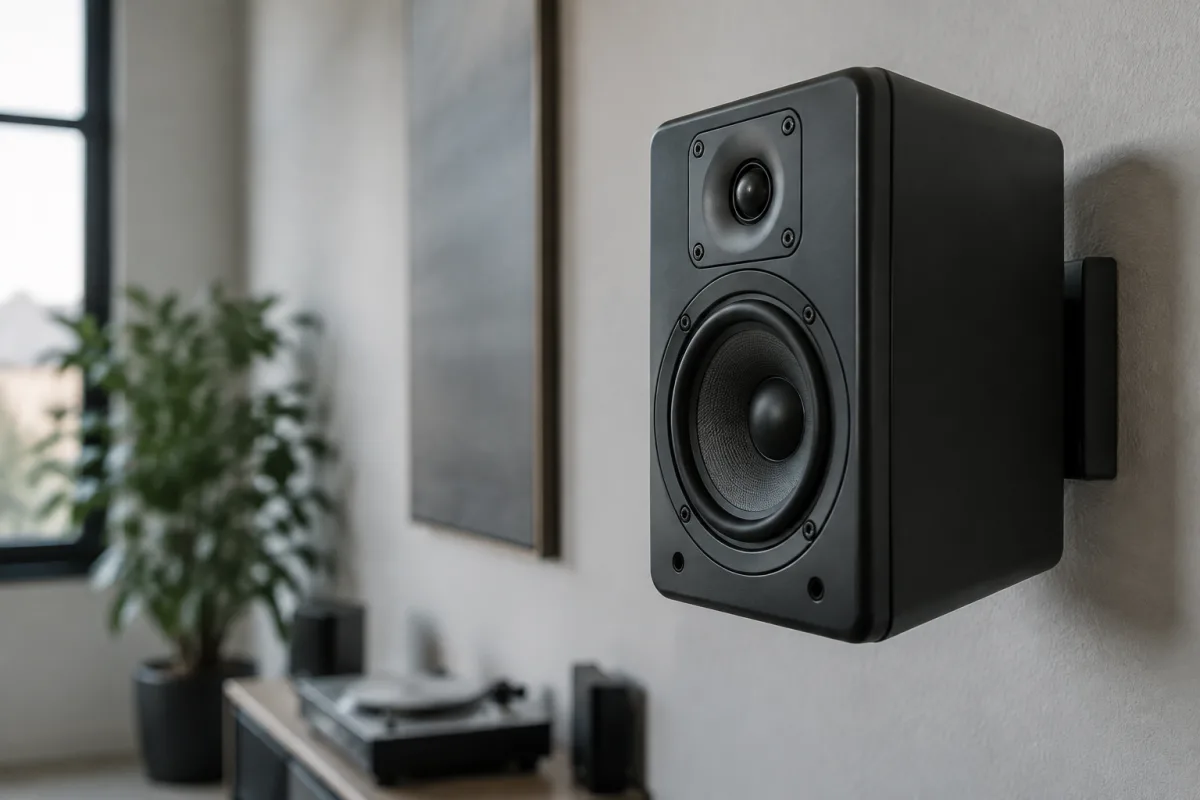
A wall mount for speakers is an essential component for optimising your audio setup, whether you're building a professional recording studio, setting up a rehearsal space or creating a home entertainment system. Mounting speakers on walls frees up valuable floor space, improves acoustics by placing drivers at ear level and creates a cleaner, more professional appearance. Understanding the different types and installation methods of wall mounts for speakers will help you make the right choice for your environment.
Why Install a Wall Mount for Speakers?
There are several compelling reasons to use a wall mount for speakers instead of placing them on stands or shelves. Proper speaker placement is crucial for achieving balanced sound, and a quality wall mount for speakers allows you to position your monitors or reference speakers at the ideal ear level for listening. This promotes better mixing decisions in the studio and more enjoyable listening experiences at home. Additionally, wall-mounted speakers create a professional, uncluttered appearance that's ideal for recording studios, rehearsal rooms and performance venues.
Types of Wall Mounts for Speakers
Different applications require different mounting solutions. Understanding the various wall mount for speakers options will help you choose the best solution for your needs.
Rigid Wall Mounts
Rigid wall mounts for speakers offer solid, immovable installation directly into the wall or wall studs. These permanent wall mount for speakers solutions are ideal for fixed installations in studios or performance venues where speakers won't be moved. They eliminate vibration transfer to the wall and provide the most stable platform for accurate monitoring. Rigid mounts work particularly well for heavy professional studio monitors and surround speakers in installation settings.
Adjustable Swivel Mounts
An adjustable wall mount for speakers provides flexibility in aiming your monitor at the listening position. These mounts typically feature tilt and swivel capabilities, allowing you to fine-tune speaker angle without remounting. This versatility makes an adjustable wall mount for speakers ideal for shared spaces, mobile setups or situations where multiple people need to monitor from different positions. Swivel mounts maintain stability while offering practical directional control.
Isolation Mounts
Isolation wall mounts for speakers incorporate decoupling technology to prevent vibrations from transferring into the wall structure. These specialised wall mount for speakers solutions use rubber compounds or spring isolation systems to minimize acoustic coupling with the building itself. For critical listening environments and professional studios, an isolation wall mount for speakers ensures that your acoustic measurements and mixing decisions are based purely on your speakers' output, not coloured by wall resonance.
Portable and Temporary Mounts
Some situations call for a wall mount for speakers that can be easily removed or repositioned. Temporary wall mount for speakers options use adhesive strips or lightweight brackets that mount without drilling. These portable solutions work well for renters, temporary installations or scenarios where you might need to adjust your setup frequently. While not as robust as permanent wall mount for speakers installations, temporary options still offer convenience and protected floor space.
Key Considerations When Choosing a Wall Mount for Speakers
Several factors should guide your decision when selecting a wall mount for speakers:
- Speaker Weight and Size — A quality wall mount for speakers must safely support your specific speaker model's weight and size without strain or movement
- Wall Type and Studs — Confirm that your wall construction can handle a wall mount for speakers; drywall alone may need reinforcement for heavier units
- Mounting Height — Position your wall mount for speakers so tweeters align with ear level when seated; typically 48–60 inches above floor
- Isolation Properties — Consider whether your wall mount for speakers needs vibration isolation for accurate monitoring
- Adjustability — Determine if you need angle adjustment capabilities in your wall mount for speakers
- Cable Management — Check whether your wall mount for speakers has provisions for routing cables discreetly behind the wall
- Finish and Aesthetics — Choose a wall mount for speakers that matches your studio or room decor
Installation Best Practices
Proper installation of a wall mount for speakers is critical for safety and performance. Always locate wall studs before mounting; a wall mount for speakers should anchor directly to structural framing, not just drywall. Use appropriate fasteners rated for the combined weight of your wall mount for speakers and speakers. Position your wall mount for speakers at the correct height and angle before tightening final bolts. If drilling into walls raises concerns, consider a professional installer to ensure your wall mount for speakers is secure and correctly positioned.
Acoustic Advantages of Wall-Mounted Speakers
Beyond the practical benefits, mounting speakers via a quality wall mount for speakers offers acoustic advantages. Elevated speaker placement through a wall mount for speakers reduces floor reflections that can muddy bass response. The listening area benefits from more direct sound and less cancellation from early reflections. In professional settings, an optimally positioned wall mount for speakers contributes to more accurate monitoring and better mixing results. Even in home environments, a well-installed wall mount for speakers typically produces more balanced, natural-sounding audio than floor-standing alternatives.
Compatibility and Versatility
Modern wall mount for speakers solutions come with VESA compatibility standards and adjustable brackets that work with a wide range of speaker sizes. This universal compatibility makes it easier to upgrade speakers without replacing your wall mount for speakers. Similarly, the modular design of most quality wall mount for speakers options means you can reconfigure your monitoring setup as your needs evolve without permanent commitment to a single speaker model.
Conclusion
A quality wall mount for speakers is a practical investment that improves both aesthetics and acoustics in any space. Whether you're constructing a professional recording studio, setting up a rehearsal venue or simply optimising your home listening area, the right wall mount for speakers elevates your audio setup. By carefully considering your specific needs—weight capacity, adjustment requirements, isolation properties and installation constraints—you'll find a wall mount for speakers solution that enhances both your space and your sound.


Comments