
Stand Up Bass Instrument article
The Complete Guide to Stand Up Bass Instrument
The stand up bass instrument provides the harmonic foundation for jazz, classical and folk music worldwide. Explore the physics of the double bass, learn arco and pizzicato techniques, and discover how to select the right stand up bass instrument for your musical journey.
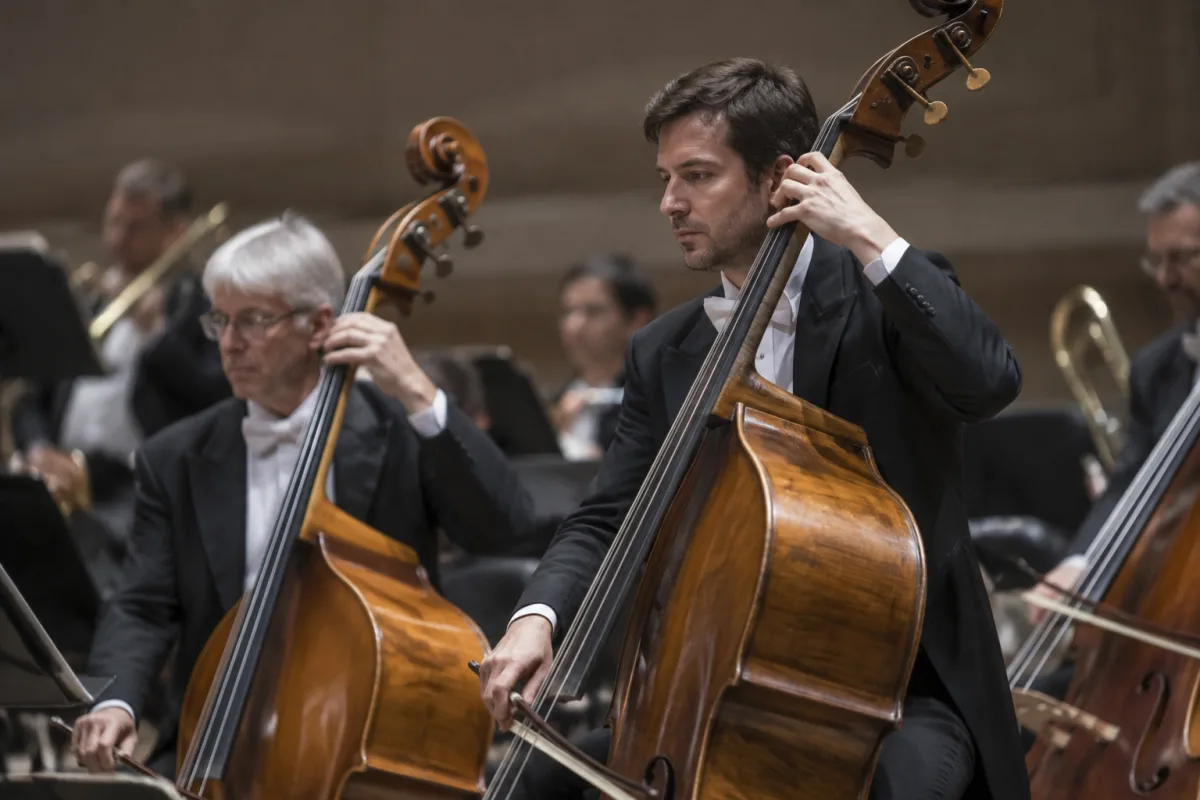
The stand up bass instrument, also known as the double bass or upright bass, is the largest and lowest-pitched member of the violin family. With its commanding physical presence and deep, resonant tone, the stand up bass serves as the harmonic and rhythmic foundation across classical music, jazz, blues and many contemporary genres. This guide explores everything you need to know about the stand up bass instrument, its construction, playing techniques and why this instrument has remained essential to music for centuries.
Understanding the Stand Up Bass Instrument
A stand up bass instrument stands approximately six feet tall and weighs between 45 and 60 pounds, requiring a dedicated endpin to support the instrument's considerable mass. The stand up bass produces sound through a wooden body that resonates naturally, amplifying vibrations from four thick strings tuned in fourths: G, D, A, E from lowest to highest.
Unlike smaller string instruments, the stand up bass demands physical engagement from the player. You hold the stand up bass between your legs using the endpin for support, position your body sideways to the neck, and draw the bow across the strings with a forearm motion that differs substantially from violin or cello technique. This fundamental difference makes learning the stand up bass a genuinely unique musical journey.
Construction and Materials
A quality stand up bass instrument features a wooden body constructed from carefully selected spruce for the top plate and maple for the back, sides and neck. The wooden construction allows natural resonance and response to bow pressure, creating the warm, woody tone that defines the instrument.
The stand up bass instrument's thick strings require a substantial bridge to support them. A quality bridge distributes string vibration efficiently to the body, affecting overall tone quality significantly. Professional musicians often invest in upgraded bridges as a primary modification to improve their stand up bass instrument's sound.
The fingerboard and tailpiece of a stand up bass instrument are typically ebony, chosen for its durability and dark appearance. The scroll (decorative head) varies in design between traditional and modern stand up bass instruments, with some featuring ornate carved details.
Types of Stand Up Bass Instruments
Stand up bass instruments vary in construction and sound character. A carved stand up bass instrument features a wooden top, back and sides carved individually, delivering responsive, articulate tone. These instruments typically cost £4,000–£15,000+ new.
A laminated stand up bass instrument uses plywood construction throughout, offering durability and consistency at lower cost. Whilst initial tone is less sophisticated than carved examples, laminated stand up bass instruments are ideal for students and players prioritising reliability over tonal nuance. Quality laminated models cost £2,000–£5,000.
The hybrid stand up bass instrument combines a carved top with laminated back and sides, balancing acoustic responsiveness with durability at moderate cost. Many professional musicians favour hybrid stand up bass instruments for touring.
Playing Positions and Techniques
The stand up bass instrument can be played using the bow (arco) for sustained, expressive notes, or plucked (pizzicato) for percussive rhythmic support. Jazz musicians predominantly use pizzicato technique, anchoring their finger on the fingerboard and pulling strings outward in a relaxed, rhythmic motion.
Classical musicians and chamber players typically use arco technique, drawing the bow across strings to produce sustained, singing tones. The bow demands significant technique — weight distribution, speed control and angle all affect tone quality profoundly. Mastering bow control represents one of the stand up bass instrument's primary technical challenges.
Extended techniques on the stand up bass instrument include harmonics (touching the string lightly at specific points), col legno (striking with the bow wood), sul ponticello (playing near the bridge) and many others, allowing contemporary classical composers to explore the instrument's extended sonic palette.
Size Considerations and Fractional Instruments
Full-size stand up bass instruments measure approximately 44 inches (112 cm) in body length, though dimensions vary. For younger players or those with shorter stature, fractional stand up bass instruments are available: 3/4 size and 1/2 size versions maintain proper proportions whilst offering more manageable dimensions.
Fractional stand up bass instruments are not inferior to full-size models — they're specifically designed for their intended players. A properly fitted stand up bass instrument allows comfortable playing technique and develops good habits from the beginning.
Sound Characteristics and Tone Production
The stand up bass instrument's tone ranges from deep, woody and resonant in lower registers to warmer, singing tones in higher positions. The instrument's fundamental role in ensemble playing emphasises clarity and resonance over pure volume.
A quality stand up bass instrument produces even tone across all four strings, with minimal wolf tones (frequencies that resist vibration). Setup, bridge quality, and string choice dramatically affect how a stand up bass instrument sounds. Professional musicians spend considerable time optimising their instrument's setup.
String Selection and Setup
Stand up bass instrument strings come in various materials. Traditional gut core strings offer warm, mellow tone but require frequent replacement. Steel core strings provide brightness and durability. Synthetic core strings combine tonal warmth with modern durability, making them popular with professional musicians.
String gauge significantly affects stand up bass instrument playability. Thicker strings offer deeper tone and resistance; thinner strings are more comfortable for extended playing. Most players experiment throughout their musical journey to find the gauge and brand that suits their stand up bass instrument and musical goals.
Cost and Value
A student-level stand up bass instrument typically costs £2,000–£3,500. Intermediate professional instruments range from £4,000–£8,000. High-end carved stand up bass instruments exceed £10,000, with exceptional vintage examples commanding premium prices at auction.
Rental options are available through music schools and rental services, offering affordability for students exploring the stand up bass instrument before committing to purchase. Many serious students eventually purchase their own instrument as they progress.
The Stand Up Bass Instrument in Different Genres
The stand up bass instrument remains central to jazz, providing walking bass lines and harmonic foundation. Classical orchestras and chamber ensembles rely on the stand up bass instrument for tonal warmth and rhythmic support. Folk, klezmer and bluegrass musicians embrace the stand up bass instrument's resonant character. Contemporary classical composers exploit the instrument's extended techniques for experimental sonorities.
Conclusion
The stand up bass instrument represents a deeply rewarding musical path combining physical engagement, technical challenge and profound musical satisfaction. Whether you pursue orchestral classical music, jazz improvisation or experimental contemporary genres, the stand up bass instrument offers a lifetime of musical discovery. With proper instruction, quality equipment and dedicated practice, the stand up bass instrument becomes a genuinely expressive voice capable of moving audiences and inspiring fellow musicians.



Comments