


Pedal Metal Buying guide
Pedal Metal: A Complete Buyer's Guide
Choosing the right pedal metal can transform your kick drum technique. Our guide explains what specs matter, compares price tiers, and helps you find the perfect pedal metal for metal drumming.
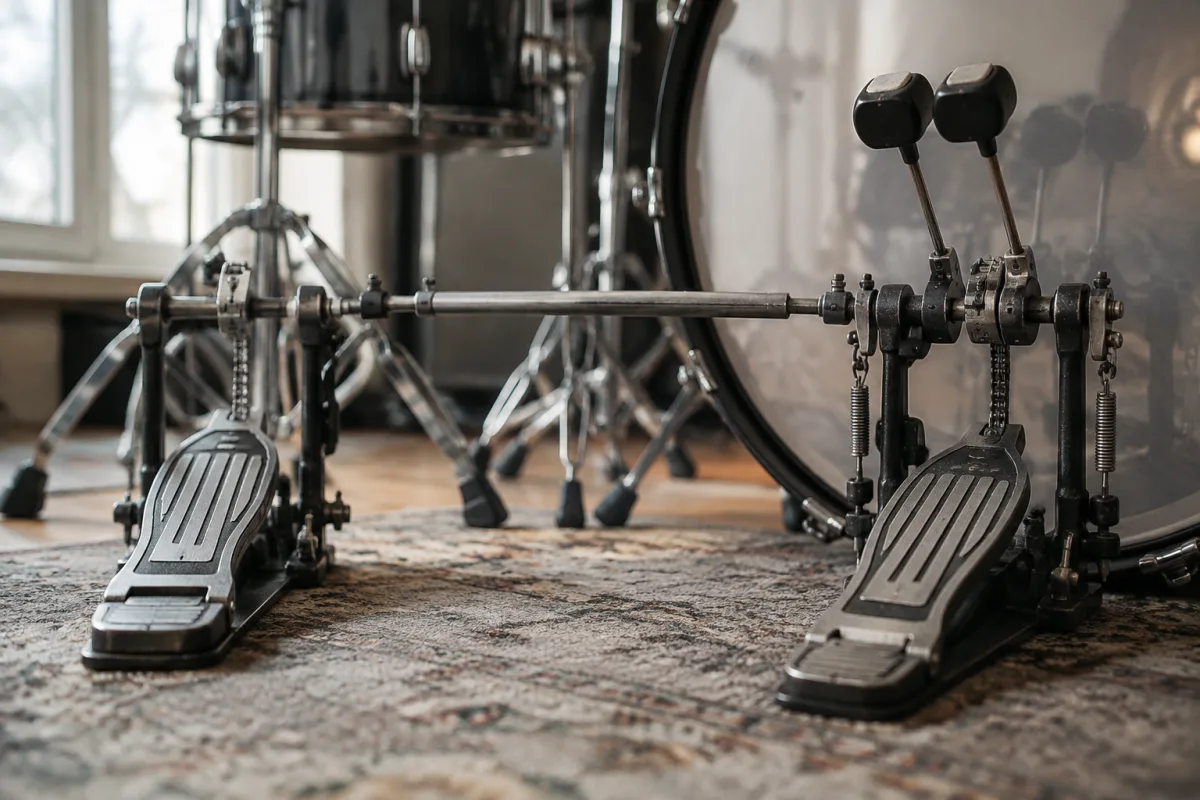
Buying a double pedal metal is one of the most personal decisions a metal drummer can make. Your choice affects your speed, endurance, control, and ultimately the sound you create on the kick drum. Whether you're upgrading from a budget model or switching brands entirely, understanding what separates a great pedal metal from a mediocre one will transform your playing.
Cam Type: The Foundation of Your Pedal Metal
The cam—the teardrop-shaped piece that governs how the beater strikes the drum—is the single most important component of your pedal metal. Different cam profiles produce drastically different feels and tones. A round cam offers a smooth, predictable response ideal for precision and speed, whilst an elongated or asymmetrical cam delivers more aggressive beater spring and snap, perfect for cutting through thick drum kits in heavy styles.
Before you buy, hold the pedal metal and feel how the cam profile affects the return speed. A tight, fast return is essential for double kick patterns; a sluggish cam will frustrate you within minutes. Most reputable manufacturers offer different cam options, so try multiple profiles if you can.
Beater Weight and Material Matter
The beater itself—usually wood, plastic, or metal—dramatically alters tone and feel. Heavier beaters (often metal) deliver a more aggressive, punchy tone with pronounced attack. Lighter, wood beaters offer a warmer, more resonant sound. Metal beaters cut through mix and are favoured in extreme metal, whilst wood offers subtlety that suits traditional metal and blues-rock.
Check the beater's weight spec before buying. A heavier beater demands stronger leg muscles for speed but rewards you with greater dynamic control. Lighter beaters are faster but require precision to sound consistent. Your playing style, not just the aesthetics, should guide this choice.
Pedal Metal Tensioning and Adjustment Range
Spring tension controls how quickly the beater returns to rest. Stronger tension allows rapid-fire kicks with minimal effort, but can be exhausting during long sets. Weaker tension requires more finesse but feels smoother for controlled playing. Look for a pedal metal with intuitive tension adjustment; some models use a small wrench, others a quick-twist knob.
The best pedal metals offer a wide adjustment range—from light and smooth to tight and aggressive. This flexibility means you can adapt to different songs within the same set. Brands like DW, Tama, and Pearl offer extensive adjustment ranges, whilst budget models often lock you into a fixed feel.
Footboard and Hinge Design
Your foot spends the entire performance in contact with the footboard, so its feel and responsiveness matter enormously. A well-designed footboard absorbs shock, reduces foot fatigue, and allows rapid repeats without slipping. Metal footboards conduct heat and can feel cold; composite or rubber-topped boards offer comfort and grip.
The hinge mechanism—where the footboard connects to the main plate—determines how smoothly the pedal metal operates. Solid, forgiving hinges allow fluid motion without dead zones. Cheap hinges create sticky or unpredictable response, which will torture you during fast passages.
Chain vs. Direct Drive
There are two main transmission systems: chain-driven and direct-drive. Chain-driven pedal metals (common in budget and mid-range models) are lighter, more affordable, and easier to replace if the chain breaks. Direct-drive systems connect the footboard straight to the beater shaft, offering a tighter, more immediate feel that many speed drummers prefer.
For beginners and general use, a quality chain-driven pedal metal is perfectly adequate. For extreme metal and speed work, direct-drive systems justify their higher cost with superior responsiveness and durability. Test both types if possible.
Price Tiers Explained
Budget pedal metals (£30–60) get the job done but typically use softer springs, cheaper hinges, and less adjustable cams. They're suitable for beginners or casual players. Mid-range models (£60–150) offer better build quality, adjustable tension, and cam options—this is where most serious metal drummers land. Premium pedal metals (£150+) feature machined components, exotic materials, professional-grade hinges, and cam variety that justifies the price for touring and session musicians.
Don't assume expensive always means better. A mid-range pedal metal from a reputable manufacturer often outperforms a cheap "pro-model" knockoff. Buy from established brands with a track record: DW, Tama, Pearl, Yamaha, Ludwig, and Sonor stand behind their products.
Common Pitfalls to Avoid
Never judge a pedal metal by weight alone. Some drummers mistakenly believe heavier pedals are always better; in reality, it's the engineering and component quality that matter. A lighter, well-built pedal metal will outperform a heavy, poorly designed one.
Don't buy based on a single session of trying it in a shop. Pedal metal feel evolves once you're playing at tempo with a full kit; what feels great on a silence practice pad might feel sluggish in context. If possible, borrow a friend's pedal metal for a rehearsal before committing.
Avoid models with non-adjustable tension or fixed cam profiles. The mark of a quality pedal metal is its flexibility. You'll evolve as a player, and your equipment should grow with you.
Setup and Compatibility
Most pedal metals fit standard bass drum spurs and work across kit sizes and brands. However, some vintage or speciality bass drums use non-standard hardware. Measure your bass drum's existing footprint and check the new pedal metal's specs before purchasing. Quality retailers can advise on compatibility; many online sellers offer hassle-free returns if the fit isn't right.
For a deeper dive into pedal metal design, history, and technique, read our complete guide to pedal metal.
Finding Your Ideal Pedal Metal
The best pedal metal for you is the one that feels right under your foot and matches your playing style. Speed drumming demands a responsive, fast-return pedal metal with a light footboard. Groove-focused playing benefits from a forgiving, adjustable pedal metal. Test multiple models if you can, but don't obsess over micro-differences; the gap between a mid-range and premium model is far smaller than between a budget pedal metal and anything decent.
Budget enough for quality—a pedal metal that lasts years and evolves with your technique is money well spent. The wrong pedal metal will sit unused in your studio, draining your confidence and cash. The right one becomes an extension of your leg.


Comments