
Yamaha Electronic Drum Kits article
The Complete Guide to Yamaha Electronic Drum Kits
Yamaha electronic drum kits deliver professional sound quality and reliability at every price point. Discover the DTX series and find the right kit for your playing level.
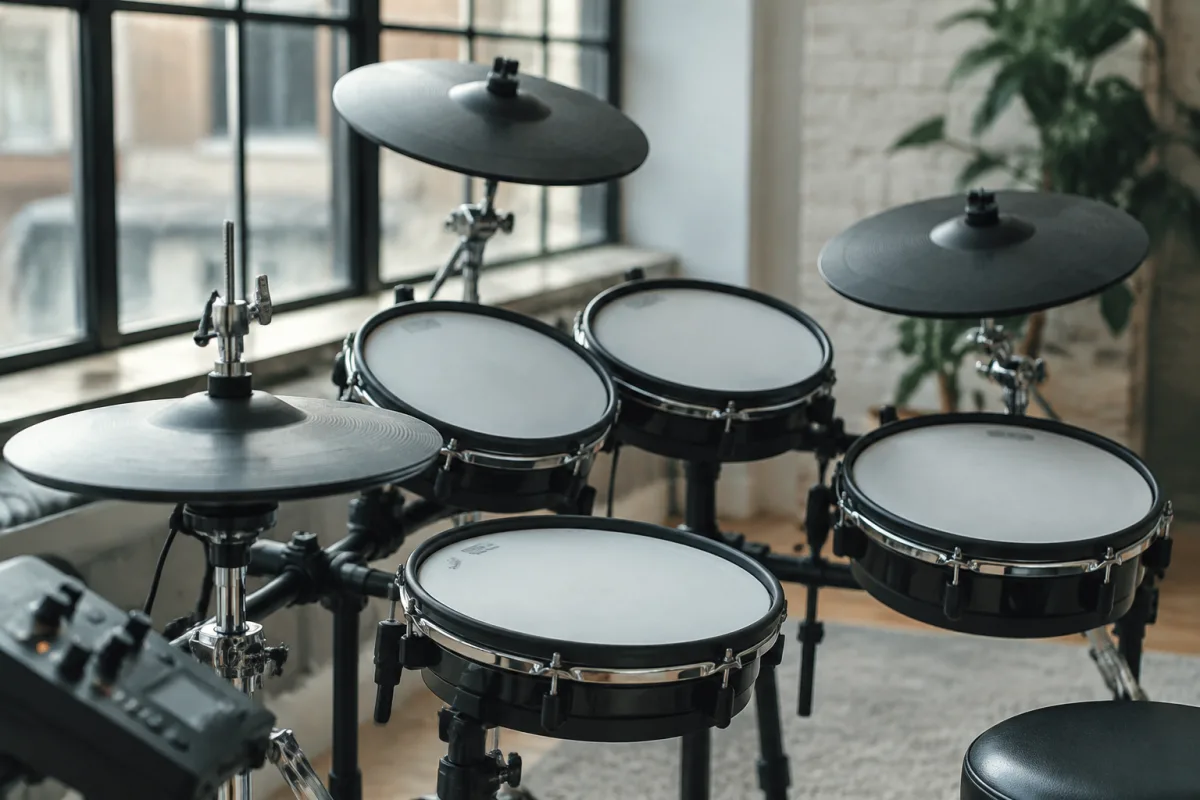
Yamaha electronic drum kits have long represented the sweet spot between affordability, reliability, and genuine playability. Whether you're a bedroom drummer, a touring professional, or a studio enthusiast, Yamaha has an electronic drum kit that fits your needs—and your budget. What makes Yamaha electronic drum kits stand out isn't flashy marketing or revolutionary features. It's straightforward engineering, responsive pads, and sounds that actually inspire you to play. That's the appeal.
Why Yamaha Electronic Drum Kits Matter
Yamaha has been building percussion instruments for over a century, and that heritage shows in their electronic drum kits. They understand what drummers actually want: realistic feel, responsive triggering, rock-solid reliability, and a vast library of usable sounds. A Yamaha electronic drum kit won't lie to you—if it's not quite right for your needs, that's usually a limitation of electronic drums generally, not a flaw in Yamaha's engineering. They make sensible choices, execute them well, and let the kit speak for itself.
The brand has successfully served everyone from kit beginners to touring professionals. That's a genuinely broad church, and Yamaha manages it by offering everything from compact practice-focused Yamaha electronic drum kits to full-size professional rigs that sit comfortably on any stage. Most importantly, entry-level Yamaha electronic drum kits hold their value and transition well if you upgrade later—they're built to last.
Yamaha Electronic Drum Kit Product Lines
Yamaha organizes their electronic drum offerings into several distinct lines, each serving different needs and budgets.
The DTX Series
The DTX (Drums Triggers eXperience) series is Yamaha's flagship electronic drum kit line and has been for decades. DTX kits range from the entry-level DTX402 (roughly £800–1,000) up to the flagship DTX900 series (£4,000+). Within the DTX range, Yamaha electronic drum kits offer genuine progression: basic practice kits with simple sounds, mid-range professional kits with expanded triggering and deeper editing, and high-end rigs with premium pads, sophisticated modules, and touring durability.
The DTX500 and DTX700 series sit comfortably in the sweet spot for serious enthusiasts and semi-professional drummers—solid engineering, extensive sound libraries, and genuinely playable pads at a reasonable cost. A DTX500 Yamaha electronic drum kit will serve you excellently whether you're recording at home, playing live in smaller venues, or teaching.
The EAD10 System (Acoustic Drum Triggering)
For drummers who already own an acoustic kit, Yamaha's EAD10 is a revelatory option. It's not a Yamaha electronic drum kit in the traditional sense—it's a trigger and module system you mount on an acoustic drum kit. Instant access to electronic sounds, layering capabilities, and modern production tools, all whilst keeping the acoustic feel you love. The EAD10 represents a genuinely clever solution for session drummers and recording engineers.
Pad Technology and Feel
The pad is everything. A Yamaha electronic drum kit can have the best sounds in the world, but if the pads feel wooden and unresponsive, you won't want to play it. Yamaha invests heavily in pad design, and it shows.
Entry-level Yamaha electronic drum kits use rubber pads that feel decent for the money but lack finesse. They're responsive enough for practice and basic recording, and they're durable—perfectly serviceable. Mid-range Yamaha electronic drum kits upgrade to what Yamaha calls "realistic textured pads" that better simulate the feel of striking a real drum head. Professional Yamaha electronic drum kits use mesh heads that genuinely approximate acoustic playing. These mesh heads have give and rebound, respond beautifully to dynamics, and feel natural under your sticks.
Cymbal pads deserve mention too. Entry-level Yamaha electronic drum kits often use small, simple pad cymbals. Professional Yamaha electronic drum kits offer larger, dual-zone pads with edge definition and bow/bell response zones—meaning you get different sounds depending where you hit, just like an acoustic cymbal. This matters enormously if you actually play with technique rather than just striking randomly.
Sound Quality and Module Capabilities
The module—the electronic brain of your Yamaha electronic drum kit—determines what sounds you get and how deeply you can customize them. Entry-level modules in budget Yamaha electronic drum kits contain several hundred usable preset kits but limited editing. You get what you get, and that's fine for learning.
Mid-range and professional Yamaha electronic drum kits offer modules with thousands of sounds, deep editing capabilities, sequencing, effects, and USB connectivity. You can layer sounds, adjust ambience, trigger external samples, and record directly to a computer. A mid-range Yamaha electronic drum kit module today has more capability than the flagship models from ten years ago—that's genuine progress.
Sound quality matters, and Yamaha doesn't disappoint. They've invested in capturing real drum and cymbal recordings and processing them carefully. Playing a Yamaha electronic drum kit sounds genuinely good to your ear and through an interface. It's not synthetic or thin. That's partly the hardware design but also Yamaha's attention to the acoustic character of the sounds themselves.
Connectivity and Integration
Modern Yamaha electronic drum kits offer comprehensive connectivity. USB connections let you trigger DAW (Digital Audio Workstation) samples and record MIDI directly into your computer. Audio outputs let you run your kit through monitors or recording interfaces. MIDI in and out means you can control other gear and respond to external controllers. An intermediate Yamaha electronic drum kit today offers professional-grade integration that simplifies recording and live performance setup.
The Yamaha DTX modules also support tuning and tweaking individual drum pitches, head resonance simulation, and even mic modeling—meaning you can approximate specific drum sounds without owning multiple kits. That flexibility matters for session work and recording.
Choosing a Yamaha Electronic Drum Kit for Your Needs
Beginners should look at the DTX402 or DTX422 series—solid Yamaha electronic drum kits that teach proper technique without breaking the bank. Intermediate players benefit enormously from the DTX500 or DTX700 series, which offer better pads, superior sounds, and more editing capability. They're genuinely playable instruments, not merely practice tools.
Professionals and touring musicians should invest in a DTX900-series Yamaha electronic drum kit or a high-end custom setup using a premium Yamaha module. The durability, pad responsiveness, and sound quality justify the investment when you're working for money or recording for release.
If you already own an acoustic kit and want electronic capabilities without abandoning your drums, the EAD10 offers remarkable value. It's essentially a professional Yamaha electronic drum kit experience grafted onto your existing kit.
Price Considerations
A budget Yamaha electronic drum kit costs £500–1,000. Mid-range Yamaha electronic drum kits run £1,200–2,500. Professional rigs start around £3,000 and climb from there. These prices reflect genuine differences in construction, pad quality, and module sophistication. A £800 Yamaha electronic drum kit is an excellent beginner instrument. A £2,200 Yamaha electronic drum kit is genuinely professional. A £4,000 rig is tournament-grade equipment.
Used Yamaha electronic drum kits represent excellent value. Older DTX500 and DTX700 models are rock-solid and often sell for 30–50% off new prices. Reliability means many second-hand Yamaha electronic drum kits have years of service life remaining. That's worth considering if budget is a factor.
Common Questions About Yamaha Electronic Drum Kits
Noise levels matter for apartment dwellers. Yamaha electronic drum kits are far quieter than acoustic kits, though not silent. Mesh-head pads are quieter than rubber pads. Using a kit on a proper drum rug or isolation platform further reduces impact noise. Headphones eliminate noise entirely, making even entry-level Yamaha electronic drum kits suitable for quiet practice.
Reliability has been Yamaha's hallmark for decades. Most professional Yamaha electronic drum kits have multi-year service lives without major issues. Occasional pad replacement or module updates are normal, but catastrophic failures are rare. A properly maintained Yamaha electronic drum kit will outlast your interest in drums.
Learning feels natural on a Yamaha electronic drum kit because the pads and cymbal response, even on budget models, approximate acoustic playing reasonably well. You're learning correct technique and building muscle memory that translates to acoustic kits—unlike cheaper electronic drums, which feel so different that the transfer suffers. That's why Yamaha electronic drum kits are widely used in teaching.
A Yamaha electronic drum kit doesn't make you a better drummer, but it does give you a reliable, inspiring instrument to practice on. That's genuinely valuable—and that's why Yamaha has remained the drummer's trusted choice for decades.


Comments