


Hot Rods Drum Sticks article
Hot Rods Drum Sticks for Beginners: A Complete Guide
Starting with hot rods? Our beginner's guide covers grip technique, first practice steps, common mistakes, and how to build dynamic control with hot rods.
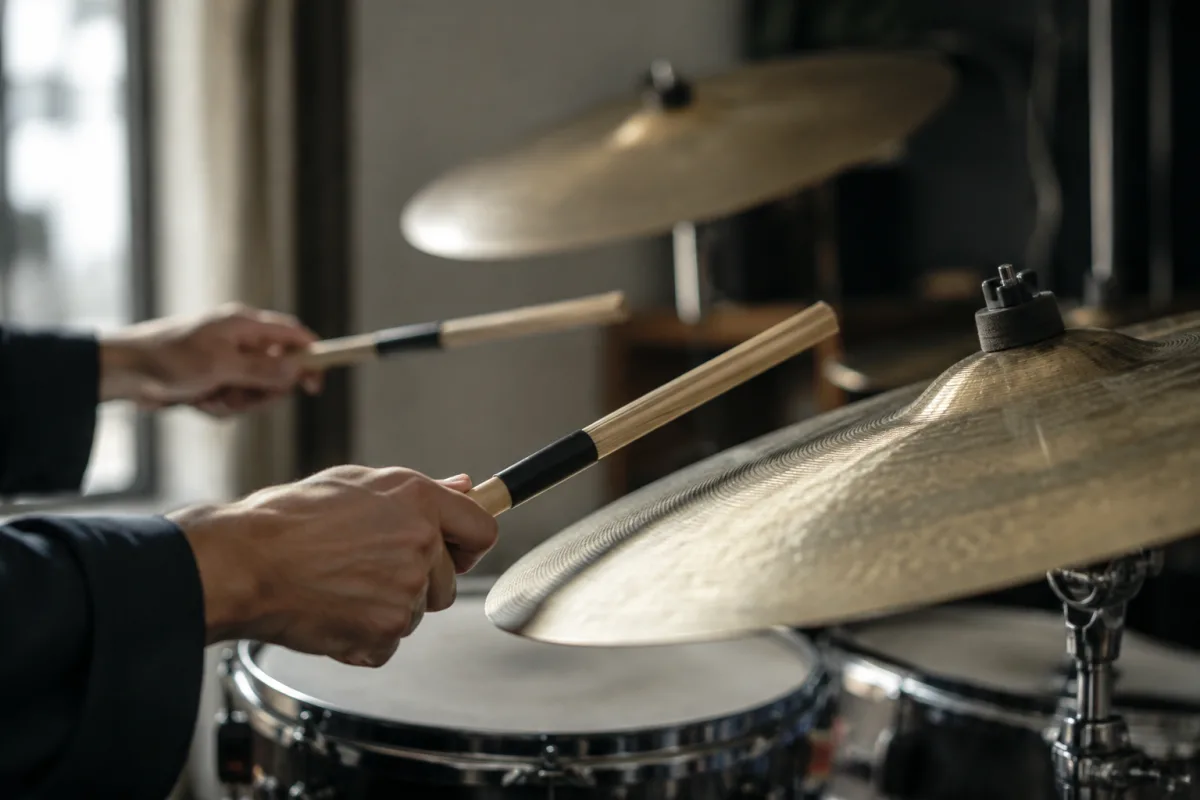
Hot rods are your entry point to cymbal control and dynamic playing. You've watched experienced drummers control volume with hot rods, and now you're ready to explore them yourself. If you're new to hot rods specifically, you might feel uncertain about whether they suit your playing, how to hold them properly, or whether they'll actually improve your drumming. This guide walks you through everything a beginner drummer needs to know about hot rods, building your technique and confidence without unnecessary frustration.
Understanding What Hot Rods Actually Are (And Aren't)
Before diving into technique, clarify what hot rods actually do. Hot rods are drum sticks made of multiple wooden dowels bundled together (typically 8-16 thin rods per pair). Rather than solid stick wood, the space between dowels creates a softer contact sound and more spread-out tone. This makes hot rods particularly valuable for controlling volume—they're excellent for situations where you need cymbal response without crashing loudly. For beginners, this means hot rods fill the gap between bare hands (too soft, can't get enough definition) and regular sticks (too loud for softer playing). They're genuinely versatile for learning dynamic control.
Holding Hot Rods: Similar to Regular Sticks But With Tweaks
The basic grip is familiar but requires adjustment:
- The fulcrum position** – Hold hot rods like regular sticks: between thumb and index finger, about one-third of the way from the end. The fulcrum (pivot point) should be firm but not tense. This fundamental grip is identical to regular stick grip, so you're building on existing knowledge.
- Bundle spread awareness** – Hot rods naturally spread during playing. Some drummers let them spread freely; others slightly compress them for tighter control. Experiment with light compression (gently pinching the bundle) to feel the difference between full spread and compressed. You'll develop preference through practice.
- Rebound control** – Hot rods rebound less dramatically than regular sticks because the bundle absorbs energy. This requires adjustment—you'll need slightly more active wrist motion to generate rebound. This adjustment is subtle but genuinely important for comfortable technique.
- Grip pressure balance** – If you squeeze too tightly, hot rods become fatiguing and stiff. If you grip too loosely, control suffers. Find the balance where the sticks feel controllable but not tense. Beginners often grip too tightly initially.
Technique-wise, hot rods are about 80% identical to regular sticks. The adjustment period is shorter than you'd expect.
Your First Practice Session: Building Comfort
Start systematically:
- Set up your drums and cymbals normally. No special setup required for hot rods.
- Grip hot rods using the standard grip you already know.
- Play slow, gentle strokes on a cymbal. Listen to the softer sound compared to regular sticks. This softer sound is the point—note how pleasant and controlled it is.
- Gradually increase volume. You'll notice that even at moderate volume, hot rods don't sound harsh or crashing. This dynamic control is why drummers love them.
- Practice on a snare drum with the same gentle approach. Hot rods on drums sound warm and woody—genuinely excellent for learning control.
- Play short practice patterns (4-8 bars) at various volumes, listening to the tonal changes. This listening practice builds deeper understanding of hot rods' capabilities than any explanation.
Your first session might feel awkward as your hands adjust. After 30 minutes of practice, the adjustment becomes automatic. Persistence pays off quickly.
Common Beginner Mistakes With Hot Rods
New players typically stumble on these points:
- Gripping too tightly** – Excessive grip tension causes early fatigue and reduces comfort. If your hands hurt after 20 minutes, you're gripping too hard. Relax your grip—hot rods don't require iron grips to control.
- Expecting them to play like regular sticks** – Hot rods have different response and rebound than solid sticks. Expecting identical behaviour leads to frustration. Embrace the difference—it's the reason you chose hot rods.
- Not adjusting wrist motion for less rebound** – Since hot rods absorb more impact energy, regular stick wrist motion can feel sluggish initially. Increase wrist activity subtly—you'll find the right motion quickly through practice.
- Using them exclusively instead of complementing regular sticks** – Hot rods are incredibly useful, but they're not replacements for regular sticks in every situation. Learn to switch between hot rods and sticks depending on the song's requirements. This versatility is genuinely valuable.
- Neglecting cymbal technique because hot rods sound "softer"** – Soft sound doesn't mean you can be technically lazy. Precision technique is actually more important with hot rods because mistakes are still audible despite the softer overall sound.
- Not considering durability during selection** – Some hot rod brands use glued bundles that loosen quickly; others use wound bundles that maintain integrity. Check reviews mentioning durability before purchasing. Cheap hot rods deteriorate within weeks.
Avoiding these mistakes transforms hot rods into a genuine asset rather than a frustrating addition.
Understanding Hot Rod Varieties
Different hot rod styles suit different purposes:
- Traditional wound hot rods** – Multiple rods held together with thread wrapping. Durable and predictable. Most common and beginner-appropriate. Good default choice.
- Retractable hot rods** – The bundle can slide along the stick shaft, changing the playing area. Advanced players use this for tonal variation. Beginners don't need this complexity.
- Various rod counts (8 vs 16 rods)** – Fewer rods (8-10) sound slightly louder and have more defined stick feel. More rods (14-16) sound softer with more cymbal wash. Start with mid-range rod counts (12 rods) as a good compromise.
- Different wood types** – Birch is common and affordable; hickory is more durable; oak is heavier. For beginners, wood choice matters less than playability and durability. Midrange quality in any wood works fine.
For your first set, traditional wound hot rods with 12 rods are perfect. Once experienced, you can explore variations based on personal preference.
When Hot Rods Shine: Practical Musical Scenarios
Understanding real-world applications helps you choose confidently:
- Jazz and swing music** – Hot rods excel here. Their softer, more defined cymbal tone suits jazz aesthetics perfectly. Swing patterns sound authoritative without crashing.
- Intimate acoustic settings** – Small venues or recording situations where volume control matters. Hot rods provide full drumming capability at manageable volumes.
- Learning dynamic control** – Beginners practising dynamics benefit from hot rods. The softer sound makes volume variations obvious and rewarding to hear.
- Late-night practice** – Playing quietly to respect neighbours becomes possible and genuinely pleasant-sounding with hot rods.
- Genre flexibility** – Rock, funk, pop, and virtually any other genre can incorporate hot rods effectively. They're genuinely versatile.
Maintenance and Longevity
Keeping hot rods playable requires basic care:
- Inspect the bundle wrapping occasionally—if rods loosen, the sticks lose integrity. Quality hot rods maintain wrapping for months of regular use.
- Store hot rods in a stick bag or case. Loose storage causes bundle damage and loosening.
- Avoid excessive moisture or humidity swings, which affect wood and potentially loosen bundle wrapping.
- Replace hot rods when the bundle integrity degrades or rods splinter. Don't attempt repairs on broken bundles—replacement is cheaper than frustration.
Quality hot rods last months with regular use. Budget models deteriorate faster but still provide weeks of playable service.
Troubleshooting: When Hot Rods Feel Wrong
Most beginner concerns have straightforward solutions:
- They feel weak or spongy** – You're likely gripping too loosely or using old, worn hot rods. Tighten your grip slightly or try fresh sticks.
- They feel heavy or tiring** – Overgripping is the culprit. Relax your hands dramatically—you'll be surprised how loose a grip still provides control.
- Bundle rods feel loose or rattling** – This indicates bundle degradation. The sticks are reaching end-of-life. Replacement is the practical solution.
- The sound feels inconsistent between sticks** – One stick might have a slightly different wrap tension than the other. This is normal with budget sticks. Accept minor variation or try a more expensive brand.
Building a Healthy Hot Rod Practice Routine
Develop your hot rod skills systematically:
- Spend 15 minutes of practice weekly using only hot rods. This dedicated time builds technique faster than occasional use.
- Practice dynamics exercises: playing the same pattern at increasing volumes. This teaches control specifically.
- Learn jazz brushes alongside hot rods. They complement each other beautifully and teach similar dynamic control concepts.
- Record yourself playing the same pattern on both regular sticks and hot rods. Hearing the difference builds appreciation for hot rods' characteristics.
Consistent practice creates confidence and genuine mastery.
Moving Forward with Hot Rods
Hot rods open expressive possibilities that regular sticks can't match. After your first month of practice, you'll have developed genuine comfort and real technique. After three months, hot rods will feel as natural as regular sticks, and you'll have developed preference about when to use each. This growing comfort builds momentum in your development as a drummer. You're not just learning another tool—you're deepening your understanding of dynamics, control, and expressive playing. This foundation carries forward through your entire drumming journey.
For broader context about drum sticks and how hot rods fit into the wider drumming toolkit, see the complete guide to hot rods drum sticks.
Key Takeaways for Your First Month
- Hold hot rods identically to regular sticks—grip technique transfers directly.
- Adjust wrist motion subtly for less rebound—the adaptation is quicker than expected.
- Don't grip excessively tight. If your hands hurt after 20 minutes, relax your grip.
- Practice dynamics exercises deliberately. Hot rods teach control faster than regular sticks.
- Use hot rods and regular sticks complementarily, not as substitutes for each other.
- Choose traditional wound hot rods with 12 rods as your first set. Variations can come later.
- Accept that hot rods sound and feel different from regular sticks—embrace the difference.
- Inspect bundle wrapping occasionally. Quality hot rods maintain integrity for months.
- Enjoy the softer, more controlled sound. This is genuinely the point.
You're going to love playing hot rods. They expand your expressive capabilities and make dynamics learning fun and rewarding. Welcome to a dimension of drumming you've been missing.



Comments