


Drum Rack Buying guide
Drum Rack: A Complete Buyer's Guide
Choosing the right drum rack requires understanding how hardware, adjustability, and build quality affect your playing experience. This guide walks through stability, ergonomics, and durability factors that separate quality drum racks from inferior alternatives.
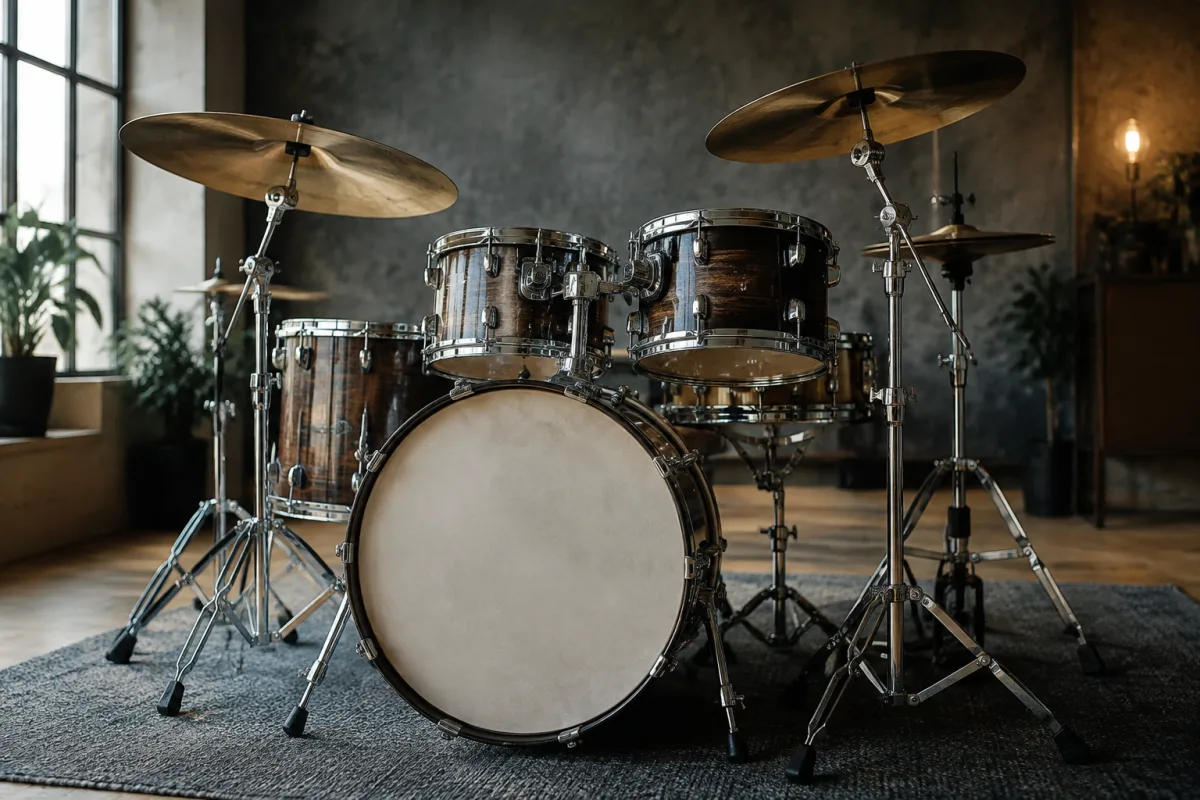
Selecting the right drum rack requires understanding how hardware, adjustability, and build quality affect your playing experience and long-term satisfaction. Whether you're setting up your first kit or upgrading an existing setup, choosing a drum rack demands careful attention to stability, ergonomics, and durability. This guide walks you through the essential factors that separate quality drum racks from inferior alternatives that will frustrate you during rehearsals and gigs.
Stability and Structural Design
A drum rack must support your kit reliably without wobbling or shifting during dynamic playing. Examine the base design—wider, heavier bases provide superior stability compared to narrow, lightweight constructions. Quality drum racks utilise robust metal materials (typically steel or aluminium) that resist flexing under load. Test stability by applying downward pressure to each drum mount point; any noticeable movement indicates inadequate engineering.
Post diameter and thickness matter significantly for stability. Larger-diameter posts distribute weight more effectively and resist bending under the load of multiple heavy drums. Premium drum racks feature reinforced junction points where posts meet the base, preventing stress concentration that could lead to eventual failure. Avoid drum racks with visible wobble or flex—these issues only worsen with time and heavy use.
Mount Points and Adjustability
Different drum configurations demand different mount arrangements. A basic drum rack might offer four to six mount points, whilst extensive setups require eight or more positions. When evaluating a drum rack, consider your current kit size and imagine future expansion. Choosing a drum rack with extra capacity prevents expensive upgrades when your musical ambitions grow.
Mount adjustability directly impacts ergonomics and playing comfort. Quality drum racks provide 360-degree rotational adjustment, height fine-tuning, and angle modification on each mount point. This flexibility enables precise positioning of toms, snare, and cymbals to match your body geometry and playing style. Cheap drum racks offer limited adjustment, forcing you into uncomfortable positions that compromise technique and encourage repetitive strain injuries.
Material Quality and Weight Capacity
The metal composition of your drum rack affects both longevity and performance. Steel drum racks offer superior rigidity and durability but add significant weight. Aluminium drum racks weigh less—important for portable gigging setups—whilst maintaining adequate strength for most applications. Examine welds and joints for quality; clean, consistent welds indicate manufacturing excellence, whilst rough, uneven welds suggest cost-cutting corners.
Every drum rack carries a weight capacity specification. Verify that your total kit weight (drums, cymbals, hardware, stands) falls comfortably below the rated maximum. Exceeding specifications compromises stability and accelerates wear on joints and mounts. Premium drum racks feature substantial weight capacity reserves, providing confidence that your kit will remain secure even with future additions.
Cymbal and Tom Mounting
Drum racks optimised for cymbal mounting use specialised stands or boom arms that integrate seamlessly into the overall structure. Evaluate whether the drum rack supports your preferred cymbal count and placement angles. Some drum racks excel at accommodating complex setups with overhead cymbals, whilst others work better for simpler configurations. Similarly, tom mounting systems vary—some drum racks use clamp-based systems whilst others employ specialised tom brackets.
Price Ranges and Value Assessment
Drum racks span a considerable price spectrum, each tier offering distinct advantages:
- Budget drum racks (under £300): Basic designs with limited adjustment and modest stability. Suitable for beginners and casual players with simple kit configurations.
- Mid-range drum racks (£300–£700): Excellent balance between stability, adjustability, and cost. Professional-quality construction supporting complex setups without premium pricing.
- Premium drum racks (£700+): Top-tier materials, extensive customisation options, and superior engineering for touring professionals and serious enthusiasts.
Portability and Setup Considerations
If you transport your drum rack regularly, weight and breakdown mechanics matter profoundly. Lighter drum racks ease vehicle loading, whilst quick-release mechanisms speed setup and breakdown. Evaluate how quickly your target drum rack disassembles for transport—complex systems with numerous bolts waste valuable setup time. Conversely, if your drum rack lives permanently in a studio or practice space, weight becomes irrelevant and you can prioritise stability over portability.
Common Purchasing Mistakes
Beginners often underestimate how crucial stability feels during actual performance. Purchasing the lightest, cheapest drum rack seems economical until wobbling ruins your gig. Invest in adequate quality from the start—upgrading later costs far more than choosing correctly initially.
Another frequent misstep involves purchasing a drum rack inadequate for future expansion. Today's three-tom setup might become five toms after two years of playing. Choosing a drum rack with extra mount capacity prevents frustration when your ambitions evolve.
Overlooking ergonomic adjustability leads to chronic discomfort and potential injury. Never compromise on adjustability—your body's geometry is unique, and your drum rack must accommodate your specific proportions.
Context and Comparison
Different playing styles benefit from different drum rack designs. Jazz drummers typically prefer compact, adjustable racks, whilst metal drummers often favour expansive setups supporting numerous toms and cymbals. Your musical genre should influence your drum rack choice. Additionally, consider how your drum rack integrates with other hardware—kick drum pedals, throne height, monitor positions—that collectively determine your playing experience.
Learn more about drum racks and their role in contemporary percussion by exploring the ultimate guide to rack drum set, which provides comprehensive context on drum racks within professional drumming practice.
Making Your Final Decision
Test your shortlisted drum racks hands-on whenever possible. Bring representative drums and cymbals to music shops and assemble your typical configuration on different models. Feel the stability, test the adjustability, and evaluate ergonomics under realistic conditions. Invest time in this evaluation—a drum rack supporting your music for a decade justifies thorough vetting. With careful consideration of stability, adjustability, build quality, and your specific needs, you'll select a drum rack that enhances your playing for years to come.


Comments