
Drum Pad Electronic article
The Complete Guide to Drum Pad Electronic
Electronic drum pads democratise beat-making, enabling producers and performers to create sophisticated rhythms across hip-hop, electronic music, rock, and contemporary genres with precision and creative flexibility.
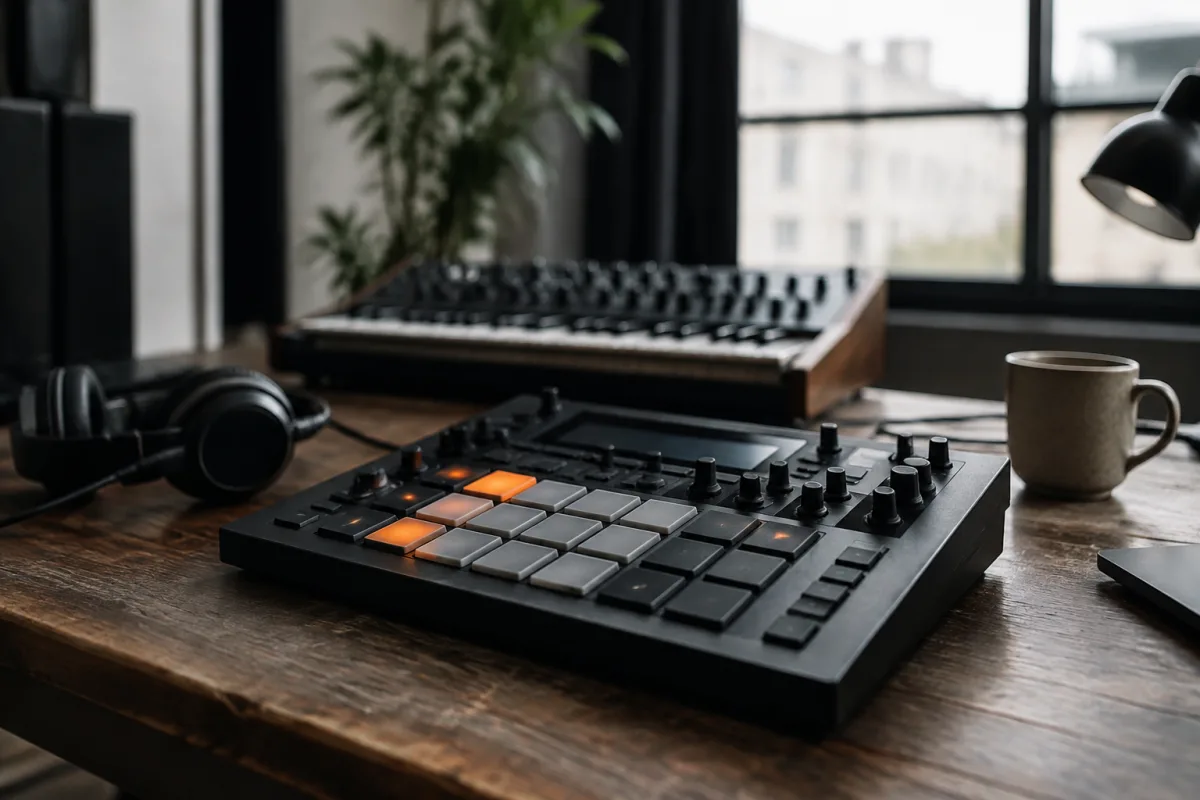
Electronic drum pads have transformed rhythm production across popular music, from hip-hop and electronic dance music through to rock and contemporary jazz. Whether you're crafting beats in a bedroom studio, enhancing live performance capabilities, or exploring percussion beyond acoustic drums, a drum pad electronic system offers immediate access to vast sound libraries and precise rhythmic control. Understanding the key specifications and characteristics of electronic drum pads helps you select an instrument suited to your creative vision and practical performance requirements.
What Are Electronic Drum Pads?
A drum pad electronic is a percussion instrument comprising pressure-sensitive playing surfaces—typically rubber, silicone, or mesh materials—connected to sound-generation electronics. When struck, each pad triggers pre-recorded or synthesised drum sounds, percussion samples, or melodic instruments housed within the device's sound engine. The drum pad electronic democratises beat-making, enabling percussionists and non-percussionists alike to create complex rhythmic compositions with minimal physical skill barrier compared to acoustic drumming.
Modern drum pad electronic systems range from compact single-pad controllers suitable for sample triggering through to full eight or sixteen-pad instruments that replicate the playing experience of traditional drum kits. Standalone drum pad electronic devices incorporate built-in sound engines and speakers, whilst controller models connect via USB or MIDI to external sound engines, digital audio workstations, or hardware synthesizers.
Playing Surfaces and Sensitivity
The playing surface fundamentally influences the drum pad electronic's performance character and usability. Rubber pad surfaces offer familiar acoustic drum-like feel, responsive triggering, and reliable performance in dusty environments. These surfaces deteriorate gradually through normal playing, requiring eventual replacement, though quality rubber pads withstand years of rigorous use.
Silicone pads represent a premium alternative, offering superior responsiveness compared to rubber whilst providing a distinctive tactile feel. A drum pad electronic with silicone playing surfaces typically costs significantly more than equivalent rubber-padded instruments. Mesh-headed pads—familiar to electronic drums enthusiasts from home kit setups—provide acoustic-like feel and superior dynamics, though they require occasional head replacement and prove more susceptible to damage from dropped sticks or impacts.
Velocity sensitivity—the microprocessor's ability to distinguish strike force and translate it into amplitude variation—proves crucial for expressive performances. Higher quality drum pad electronic controllers feature finely calibrated velocity response that captures subtle dynamic variations in your playing. Budget models sometimes exhibit inconsistent velocity tracking, where light strikes trigger maximum volume unexpectedly or where dynamic range compresses into unusable bands.
Sound Engine Capabilities
The drum pad electronic's internal sound engine determines available percussion voices and synthesis options. Entry-level instruments typically feature preset drum kits—simulated acoustic kits, electronic drum sounds, percussion instruments—with limited customisation capabilities. These preset-focused systems suit bedroom producers and casual players exploring beat-making without extensive sound design involvement.
Advanced drum pad electronic units incorporate sophisticated synthesis engines, sample playback capabilities, effects processing, and deep editing interfaces. These systems enable players to manipulate sound characteristics—attack envelope, filter resonance, reverb depth—in real-time, supporting creative sound design workflows. Serious producers often favour stand-alone drum pad electronic instruments with integrated sound engines over USB-only controllers, eliminating dependence on external computers or DAWs for complete musical creativity.
Connectivity and Integration Options
Modern drum pad electronic systems support multiple connection methodologies, enhancing integration flexibility within recording studios or live performance rigs. USB connectivity enables straightforward connection to computer-based music production systems, with drivers automatically recognising the drum pad electronic as a MIDI controller. This approach suits bedroom producers and studio-based workflows where computer proximity isn't a constraint.
Dedicated MIDI outputs on premium drum pad electronic units support connection to external hardware synthesizers, drum machines, or effects processors via five-pin DIN connectors. This connectivity option proves essential for performers integrating electronic drums into complex live rigs involving multiple synthesizers or hardware sound modules.
Bluetooth wireless connectivity increasingly appears on contemporary drum pad electronic systems, enabling connection to tablets, smartphones, or computers without physical tethering. This flexibility enhances portability and simplifies stage setup for mobile performers, though wireless latency occasionally proves problematic in time-sensitive applications requiring sub-millisecond responsiveness.
Sequencing and Built-in Recording Features
Many standalone drum pad electronic units incorporate step sequencers—simple but powerful tools for creating repeating patterns and rhythmic loops. Step sequencers enable rapid beat construction through graphical interfaces where each grid position represents a rhythmic beat location. Triggering consecutive steps creates drum patterns that loop indefinitely, forming the foundation for complete musical arrangements.
Built-in recording capabilities on sophisticated drum pad electronic instruments enable capturing performances for later playback, editing, and mixing. These recording features range from simple looping functions capturing five or ten seconds of audio through to full multi-track recording supporting dozens of minutes of overlaid instrumental parts. Integrated recording capabilities eliminate dependence on external recording equipment, supporting spontaneous creative documentation during productive practice sessions.
Portability Considerations
Working musicians prioritise portability, and drum pad electronic systems offer significant advantages over acoustic drum kits in terms of transport and setup convenience. Compact eight-pad controllers weigh under one kilogramme and fit easily into instrument cases alongside other gigging equipment. Even larger sixteen-pad systems remain substantially lighter and more compact than transport-ready acoustic kits requiring bass drum, toms, cymbals, hardware, and protective cases.
Power requirements deserve consideration. Battery-powered drum pad electronic instruments enable operation without AC mains supply, supporting busking, rehearsals in uncommitted spaces, or touring venues with unreliable power infrastructure. USB bus-powered controllers operate from computer power supplies, simplifying studio integration, though preventing independent operation without external hosts. Serious performers maintain backup power solutions—spare batteries or portable USB power banks—eliminating performance interruption risks from unexpected power depletion.
Practice and Performance Applications
Aspiring percussionists employ drum pad electronic instruments for developing rhythmic skills and beat-making ability without the significant acoustic and space concerns inherent to acoustic drums. A drum pad electronic practice configuration—headphones, USB controller, and laptop software—requires minimal space and makes no acoustic nuisance, enabling late-night productive sessions within residential environments.
Professional beatmakers construct entire commercial recordings solely through drum pad electronic instruments and associated software. Hip-hop and electronic music producers frequently use sophisticated drum pad electronic controllers as primary beat-creation tools, leveraging real-time pad interaction for intuitive rhythmic expression superior to mouse-based programming within digital audio workstations.
Live performers increasingly augment acoustic drum kits with supplementary drum pad electronic units, triggering electronic percussion sounds, samples, or melodic elements that acoustic instruments cannot produce. This hybrid approach marries acoustic percussion expressiveness with electronic sound design possibilities, creating distinctively contemporary performance aesthetics.
Factors to Consider When Purchasing
Budget fundamentally constrains purchasing decisions. Entry-level drum pad electronic units costing under £100 suit curious beginners and casual hobbyists testing whether percussion production genuinely aligns with their interests. Mid-range options at £300–£800 offer substantially superior sound engines, better build quality, and professional connectivity suitable for serious producers and performing musicians. Premium instruments exceeding £1500 incorporate top-tier components, sophisticated synthesis capabilities, and durability expected in professional touring contexts.
Intended primary use should guide purchasing. Studio-based beat producers benefit from full-featured standalone units with deep sound editing capabilities. Live performers prioritise robust construction, clear tactile feedback, and reliable wireless connectivity. Curious explorers testing percussion interests benefit from affordable controller options offering basic playability without significant investment commitment.
Software compatibility matters if you intend using your drum pad electronic as a MIDI controller. Verify that the device driver supports your operating system version and preferred digital audio workstations. This compatibility verification prevents frustrating setup experiences and ensures your equipment integrates smoothly within existing production workflows.
Conclusion
Electronic drum pads democratise percussion production, enabling anyone to create professional-quality beats regardless of acoustic drumming ability. Contemporary drum pad electronic systems offer remarkable versatility—from compact controllers suitable for mobile production through to sophisticated standalone instruments supporting complete compositional workflows. Whether you're exploring rhythmic creativity, developing percussion skills, or augmenting live performance capabilities, investing in a quality drum pad electronic system opens creative possibilities that traditional acoustic percussion simply cannot offer. The combination of accessibility, sound design flexibility, and portability makes electronic drum pads indispensable tools within contemporary music production across countless genres and applications.



Comments